
What Is the Ideal Photoperiod for Everbearing Strawberries Under LED Grow Lights?
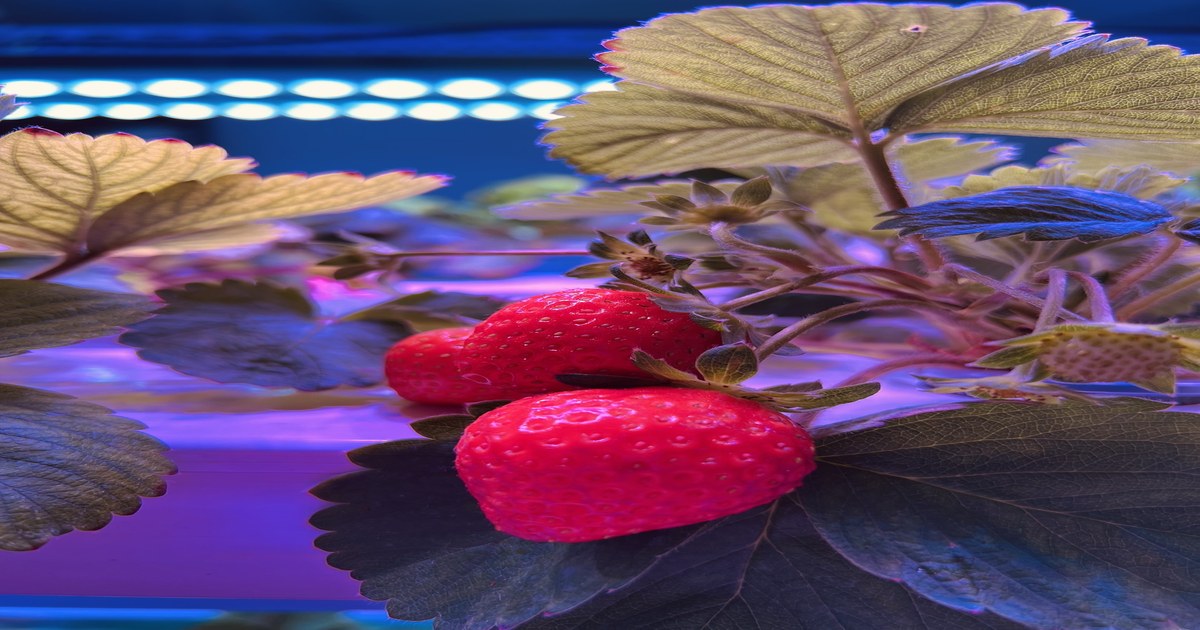
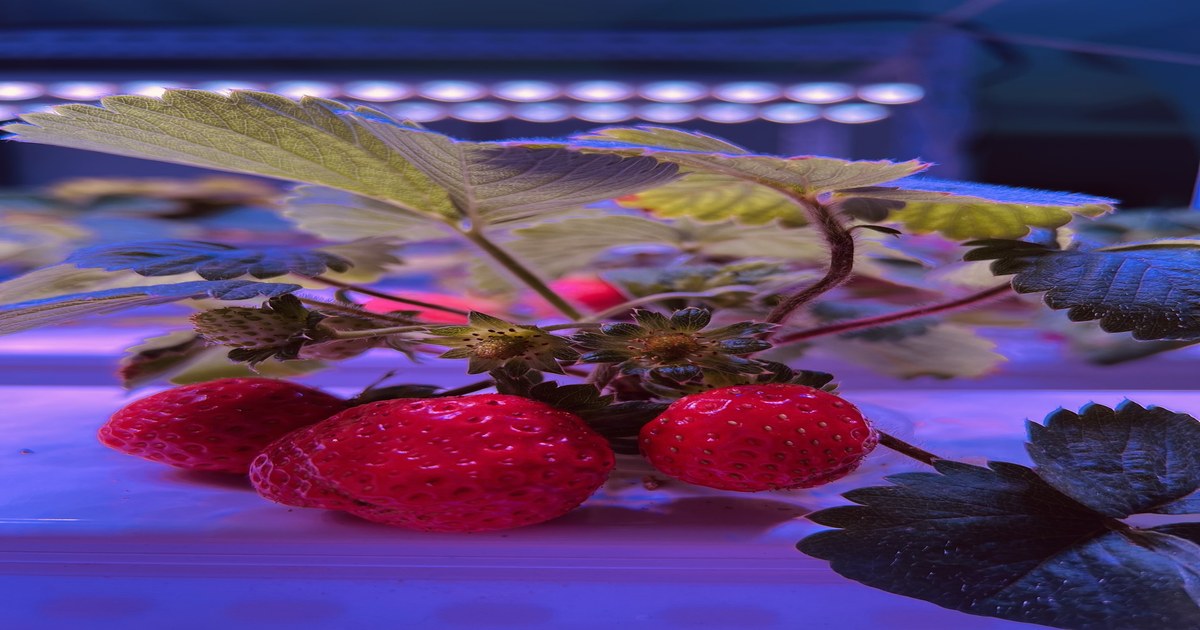
Everbearing strawberries have become one of the most popular crops for indoor and greenhouse growers, thanks to their ability to produce fruit across multiple harvest windows throughout the year. One of the most frequently asked questions from commercial and hobbyist growers alike is: what photoperiod do everbearing strawberries actually need to perform at their best? The answer depends on the growth stage, the light spectrum being used, and the overall daily light integral (DLI) the plants receive. In this guide, we break down the science behind photoperiod requirements for everbearing strawberries and show you how to optimize your lighting setup with Koray Lighting’s GE35 series LED grow bars.
Understanding Everbearing Strawberry Photobiology
Unlike June-bearing varieties that fruit once in late spring, everbearing strawberries (such as Seascape, Albion, and San Andreas) are day-neutral or long-day plants that initiate flower buds when daylight exceeds approximately 12 hours. This means they respond strongly to the duration of light they receive each day. In a controlled indoor environment, replicating the right photoperiod is critical for triggering and sustaining continuous flowering.
Research from university extension programs and commercial plant factories consistently shows that everbearing strawberries perform best with a photoperiod between 12 and 16 hours per day. Within this range, plants receive enough photosynthetic active radiation (PAR) to support both vegetative growth and fruit development without triggering stress responses associated with excessively long light exposure.
The Role of DLI in Strawberry Photoperiod Planning
Photoperiod alone does not tell the full story. The Daily Light Integral (DLI) represents the total number of moles of photosynthetic photons delivered to the plant per square meter per day. For everbearing strawberries, the optimal DLI ranges from 15 to 25 mol/m²/day during the fruiting stage.
Here is how DLI connects to photoperiod: if your LED grow light delivers a PPFD (Photosynthetic Photon Flux Density) of 350 μmol/m²/s at canopy level and you run it for 14 hours, the DLI calculates as follows:
DLI = PPFD × hours × 3600 / 1,000,000 = 350 × 14 × 3600 / 1,000,000 = 17.64 mol/m²/day
This falls squarely within the optimal range for everbearing strawberries. With the Koray GE35-120T-F175 LED bar, which delivers a PPFD of 360 μmol/m²/s at 0.3 meters, growers can achieve this target DLI with a 14-hour photoperiod, making it an ideal choice for strawberry production on vertical racks.
Recommended Photoperiod by Growth Stage
During the seedling and vegetative stage (weeks 1-4 after transplanting), a photoperiod of 14-16 hours with a PPFD of 200-300 μmol/m²/s encourages strong root and leaf development without premature flowering. The GE35-120T-V6 spectrum, which delivers 370 μmol/m²/s at 0.2 meters, works well at a hanging height of 0.3-0.4 meters during this phase.
Once plants enter the flowering and fruiting stage, reducing the photoperiod slightly to 12-14 hours while maintaining or increasing PPFD to 350-500 μmol/m²/s helps direct energy toward fruit production. The F175 spectrum used in the GE35 series provides a balanced full-spectrum output with enhanced red wavelengths that support flowering and fruit set.
Can Strawberries Tolerate 24-Hour Light?
A common misconception is that more light always equals more growth. In reality, strawberry plants require a dark period for proper physiological function. Continuous 24-hour lighting can lead to reduced fruit quality, increased respiration costs, and physiological disorders such as leaf chlorosis. Most commercial strawberry farms using LED supplemental lighting follow a 14-16 hour on, 8-10 hour off cycle.
Practical Lighting Setup with Koray GE35 Series
For a commercial vertical farm growing everbearing strawberries, here is a proven lighting configuration using Koray Lighting products:
Each shelf (1.2m × 0.6m) uses two GE35-120T-F175 bars (1200mm, 60W each) mounted 0.25-0.30 meters above the canopy. This delivers an average PPFD of 340-360 μmol/m²/s across the growing area. Running the lights for 14 hours per day produces a DLI of approximately 17-18 mol/m²/day, which is ideal for fruiting everbearing varieties.
The GE35 series features IP64 waterproof rating, making it suitable for the humid environments typical of strawberry production. With a power factor above 0.9 and efficacy of 2.5 μmol/J (F175 spectrum), these bars deliver commercial-grade performance while keeping energy costs manageable. The bars can be daisy-chained and controlled via 0-10V dimming or the HortiGuru smart control system for automated photoperiod management.
Key Takeaways for Strawberry Growers
The ideal photoperiod for everbearing strawberries falls between 12 and 16 hours per day, with 14 hours being the sweet spot for most commercial operations. Pair this with a PPFD of 350-500 μmol/m²/s at canopy level to achieve a DLI of 17-25 mol/m²/day during fruiting. The Koray GE35-120T-F175 LED grow bar is specifically engineered to deliver these parameters efficiently, with the full-spectrum F175 output optimized for strawberry flowering and fruit quality. Whether you are running a vertical farm, a greenhouse supplemental lighting system, or a home grow setup, getting the photoperiod right is the single most impactful lighting decision you can make for your strawberry crop.
For more information about Koray Lighting’s strawberry growing solutions, visit www.koraylights.com. With over 200 patents and 17 years of LED horticultural lighting expertise, Koray Lighting delivers proven performance for commercial growers worldwide.

Leave A Comment