
Can Strawberries Grow Year-Round with LED Lights?
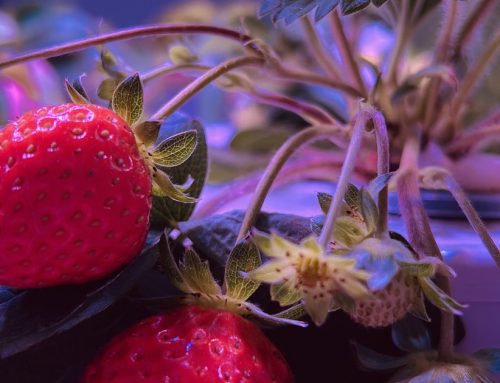
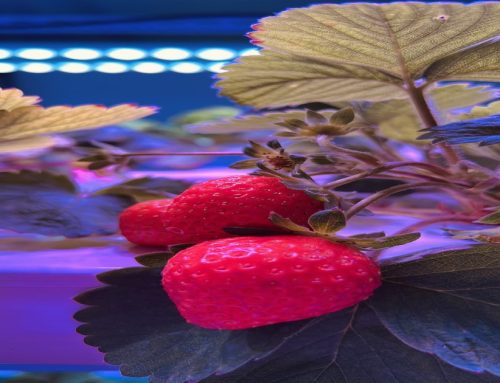
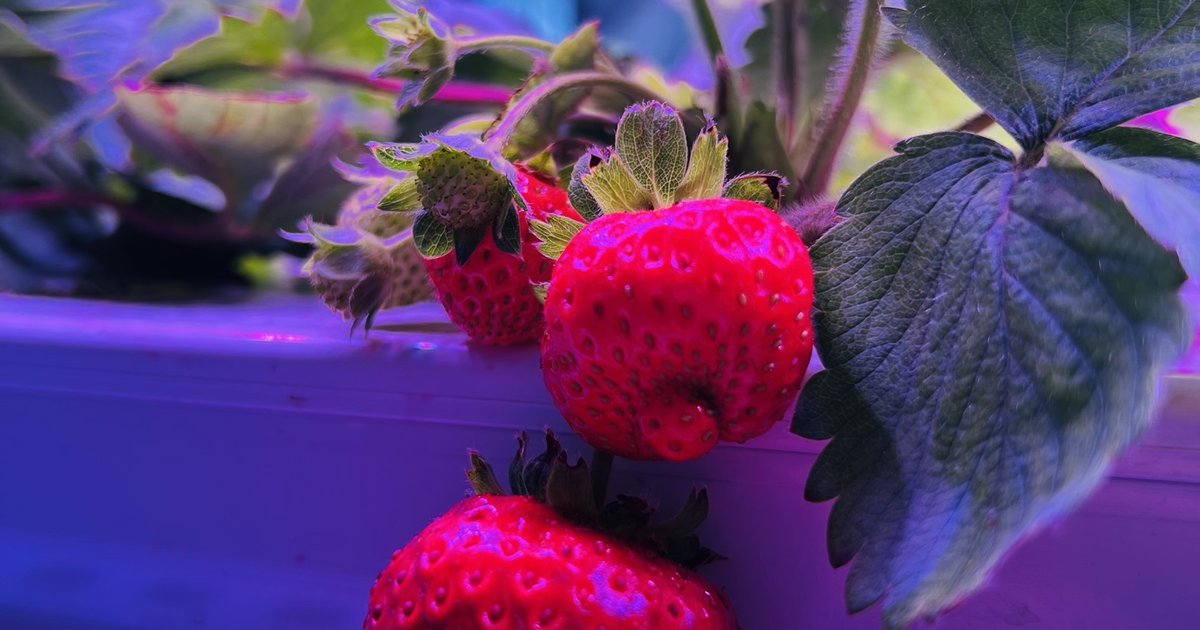
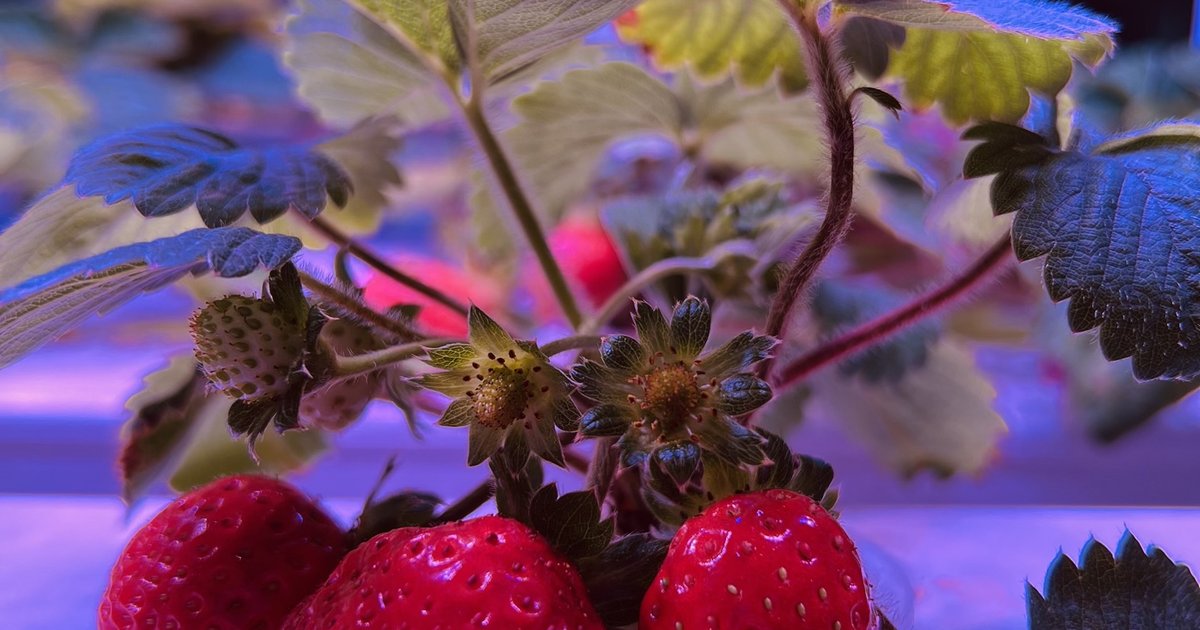
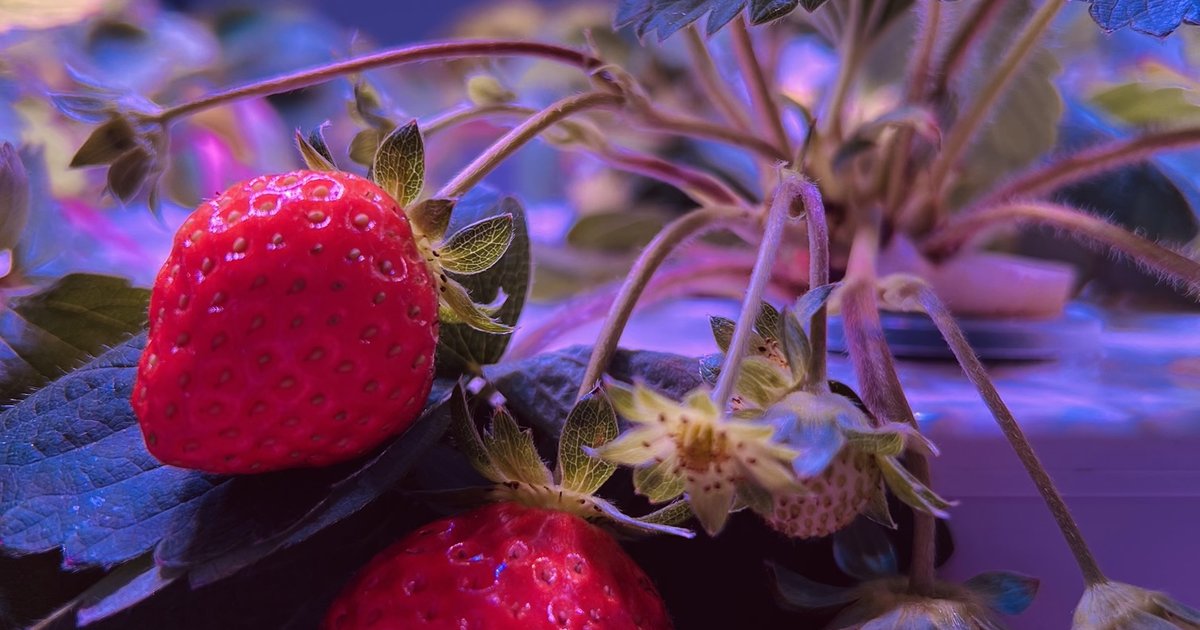
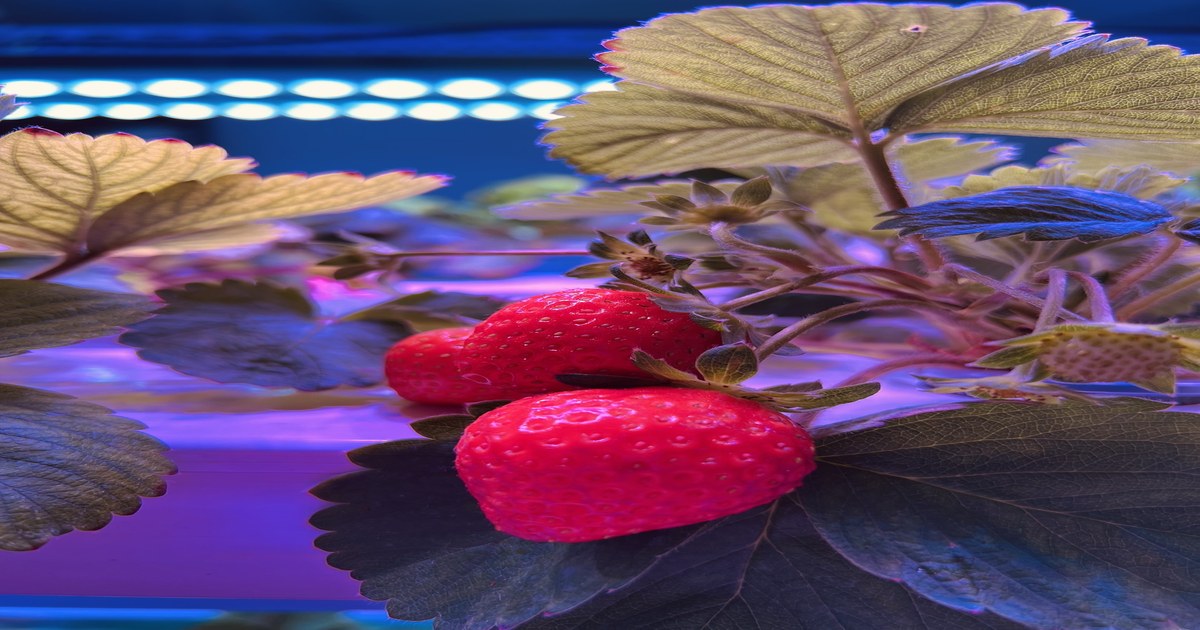
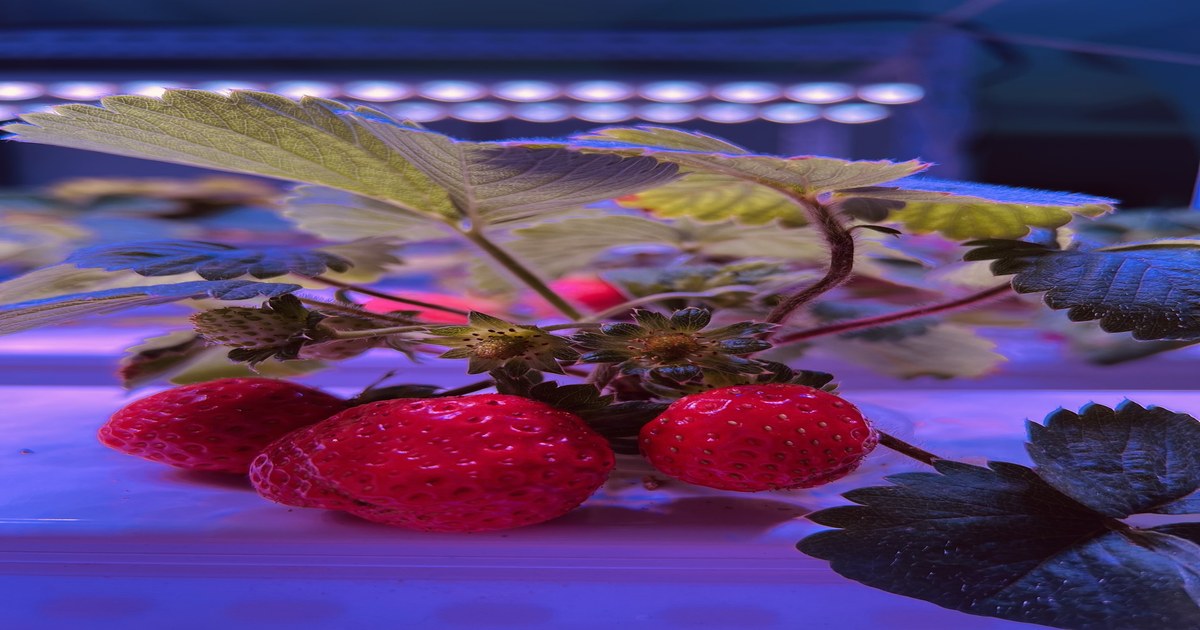
Strawberries have long been considered a seasonal crop, limited by climate and daylight hours. However, modern LED grow light technology has fundamentally changed this equation. With the right lighting setup, strawberries can now be grown and harvested continuously throughout the entire year, regardless of external weather conditions. This breakthrough has opened up enormous opportunities for both commercial growers and home gardening enthusiasts who want fresh strawberries every single month.
Why Traditional Strawberry Growing Is Seasonal
In nature, strawberries follow a predictable growth cycle driven by daylight length (photoperiod) and temperature. June-bearing varieties produce fruit in early summer when days are longest, while everbearing types can fruit in both spring and fall. Winter months bring dormancy because the combination of shorter days and cooler temperatures signals the plant to stop producing. This natural rhythm has historically limited fresh strawberry availability to roughly May through September in most temperate climates.
The challenge for year-round production is replicating the light conditions that trigger active growth, flowering, and fruiting. Strawberries need a Daily Light Integral (DLI) of 12 to 20 mol/m²/d to thrive and produce quality fruit. In winter at northern latitudes, natural sunlight may deliver only 2-5 DLI — far below what strawberries require. This is precisely where supplemental LED lighting becomes essential.
How LED Grow Lights Enable Continuous Production
LED grow lights solve the seasonal limitation by providing consistent, high-quality light regardless of the season outside. The key parameters that matter for strawberries are photosynthetic photon flux density (PPFD), daily light integral (DLI), and light spectrum. When these three factors are properly managed, strawberry plants cannot distinguish between natural summer sunlight and supplemental LED light.
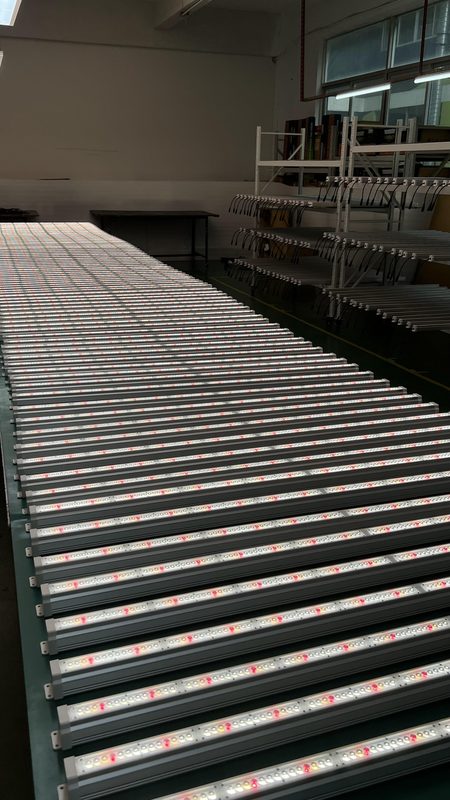
The Koray GE35 series LED grow bars are specifically designed for this type of controlled-environment agriculture. The GE35-120T-F175 model delivers a PPFD of 530 μmol/m²/s at 0.2 meters and 360 μmol/m²/s at 0.3 meters, which falls squarely within the optimal range for strawberry fruiting. With a full-spectrum F175 output and an efficacy of 2.5 μmol/J, these bars provide the light quality and quantity that strawberries need while keeping electricity costs manageable.
Setting Up a Year-Round Strawberry Lighting System
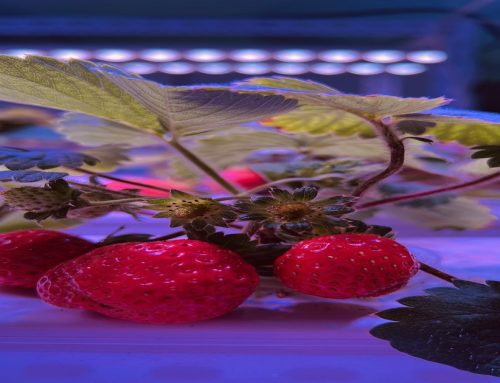
The foundation of a successful year-round strawberry operation is a well-designed lighting system. For vertical rack cultivation, which is the most space-efficient approach, you need LED bars mounted on each shelf level. The Koray GE35-120T-F175, at 1200mm length and 60W power consumption, fits standard 1.2-meter shelving units perfectly. Each bar delivers sufficient PPFD to achieve the target DLI when run for 14-16 hours per day.
For a typical 4-tier vertical rack with 0.5 meters between shelves, you would install one GE35-120T-F175 per shelf. The IP64 waterproof rating ensures reliable operation in the humid environment that strawberries prefer (60-80% relative humidity). The AC120-277V input with power factor greater than 0.9 means these bars can be wired directly to standard electrical circuits without additional drivers.
Commercial strawberry farms using this approach have reported harvest cycles of 60-75 days from transplant to first fruit, with continuous production possible by staggering planting schedules. This means you can harvest fresh strawberries every week of the year, something that was economically impossible just a decade ago.
Light Schedule and DLI Management
The photoperiod (daily hours of light) you provide determines whether strawberry plants stay in vegetative growth or shift to flowering and fruiting. For everbearing varieties like Albion or Seascape, which are the most popular choices for indoor production, a photoperiod of 14-16 hours per day works best. This delivers a DLI of approximately 15-18 mol/m²/d when using lights that provide 300-400 PPFD at the canopy level.
Short-day varieties like Chandler or Camarosa require a different approach. To trigger flowering, they need 10-12 hours of light per day for several weeks. Once flowering begins, you can increase the photoperiod to 14 hours to support fruit development. This flexibility is one of the major advantages of LED lighting — you can adjust the light schedule precisely to match each variety’s requirements.
Economic Viability of Year-Round Production
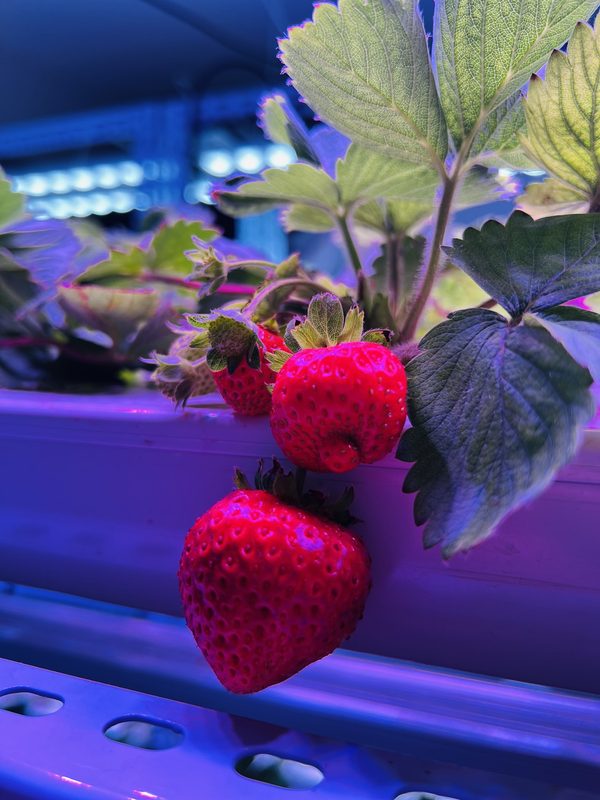
The economics of year-round strawberry production with LED lights are compelling. Off-season strawberry prices can be 2-3 times higher than peak-season prices, which means the revenue potential is significantly greater. When you factor in the energy efficiency of modern LEDs like the Koray GE35 series (2.5 μmol/J efficacy), the electricity cost per kilogram of strawberries produced becomes competitive with field-grown operations, especially when you consider the higher quality and lower pesticide requirements of indoor-grown fruit.
Additionally, indoor production eliminates weather-related crop losses from frost, hail, excessive rain, or pest outbreaks. The controlled environment means more predictable yields and higher quality fruit. For commercial operations, this predictability translates directly into better planning, more reliable supply contracts, and higher profit margins.
Conclusion
Yes, strawberries can absolutely grow year-round with LED lights. The technology has matured to the point where controlled-environment strawberry production is not just possible but economically attractive. The Koray GE35 series, with its F175 full spectrum, IP64 protection, and high efficacy, provides an excellent lighting platform for this purpose. Whether you are a commercial grower looking to extend your production season or a home enthusiast who wants fresh strawberries in January, LED grow lights make it entirely feasible.
At Koray Lighting, we have been helping growers around the world transition to year-round production with our advanced LED solutions. With over 200 patents and 15 years of expertise in horticultural lighting, we continue to innovate spectra and designs that maximize both plant performance and grower profitability.

Leave A Comment