
PPFD, or Photosynthetic Photon Flux Density, is the single most important metric for evaluating how effectively a grow light will drive photosynthesis at the plant canopy. For the Koray PT8T-V3 spectrum, the PPFD numbers tell a compelling story about what modern LED optical engineering can achieve in a compact tube form factor.
PT8 V3 PPFD Data at Key Distances
The Koray PT8T-V3 delivers the following PPFD measurements at standard growing distances, measured with a calibrated quantum sensor directly below the center of the tube:
At 0.15 meters (6 inches): 416 μmol/m²/s. This is the maximum intensity distance, ideal for low-canopy crops, seedlings in advanced stages, and compact vegetative setups where every photon counts.
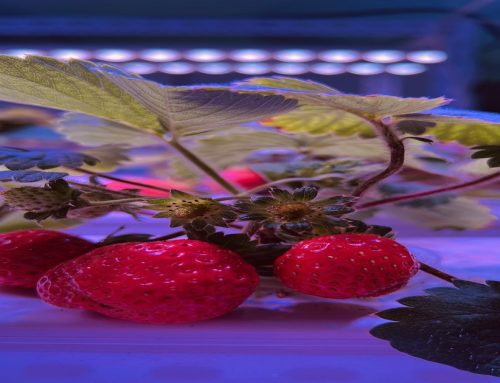
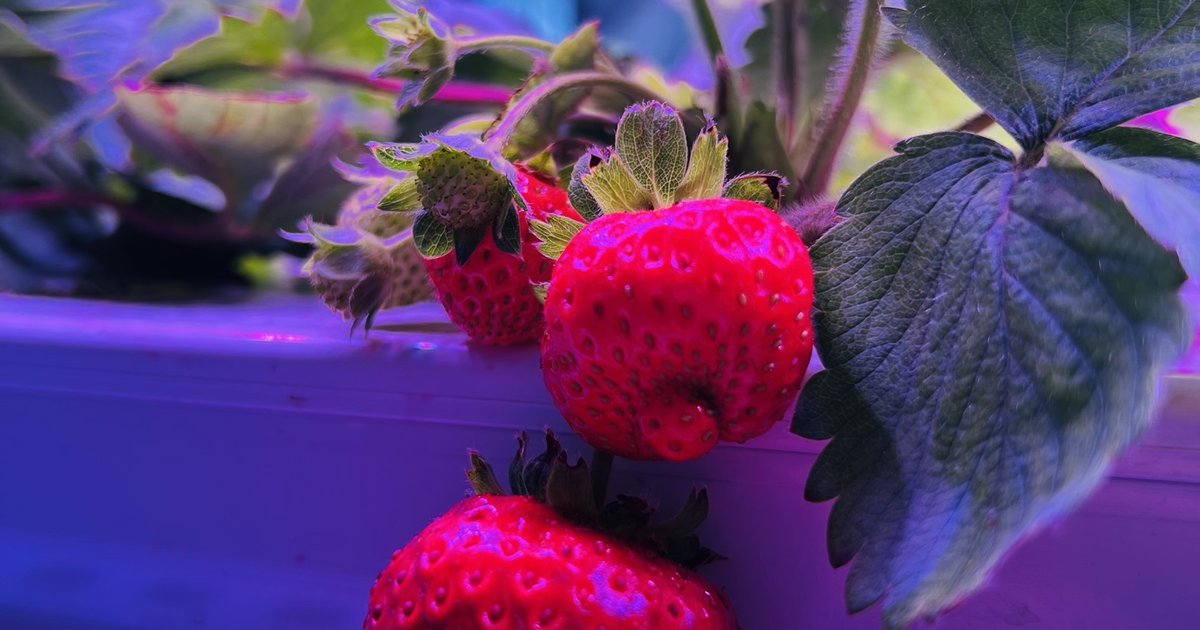
At 0.2 meters (8 inches): 316 μmol/m²/s. This is the recommended standard mounting distance for most commercial applications. At this height, a single PT8T-V3 tube delivers enough intensity to support vigorous vegetative growth of lettuce, herbs, strawberries, and even compact tomato varieties.
At 0.3 meters (12 inches): 210 μmol/m²/s. At this wider spacing, the tube still provides sufficient PPFD for leafy greens and herb production, making it suitable for taller crops or multi-layer rack systems where the light must travel further to reach the canopy.
Understanding the V3 Spectrum Advantage
The V3 spectrum is Koray’s highest-efficiency formulation in the PT8T family. It achieves a PPE (Photosynthetic Photon Efficacy) of 2.9 μmol/J, meaning every watt of electrical power is converted into 2.9 micromoles of photosynthetically active photons per second. With a total power consumption of just 32W, the tube produces a PPF (Photosynthetic Photon Flux) of 93 μmol/s.
To put this in perspective, the previous generation of PT8 tubes required approximately 48W to produce similar PPF output. The V3 spectrum’s 33% energy reduction directly translates to lower electricity bills, which is the single largest operating expense in indoor farming. Over a year of 18-hour daily operation, each V3 tube saves roughly 175 kWh compared to the older model.
How Single-Tube PPFD Translates to Full Coverage
A single tube’s center-point PPFD is useful for comparison, but real-world growing requires uniform coverage across an entire shelf. Koray’s PPFD mapping data shows that when 6 PT8T-V3 tubes are installed at 0.3m height over a 1.2m x 1.2m area, the average PPFD across all measurement points is 300 μmol/m²/s. This uniformity is achieved through Koray’s secondary optical technology, which eliminates the center hotspot problem common in cheaper LED tubes.
The total power density for this 6-tube configuration is approximately 133W per square meter (6 tubes x 32W = 192W over 1.44 sqm). This is remarkably efficient: traditional T5 fluorescent systems achieving the same average PPFD would consume over 250W per square meter.
What 316 μmol/m²/s Means for Your Crops
Different crops have different Daily Light Integral (DLI) requirements. At 316 μmol/m²/s with an 18-hour photoperiod, your plants receive a DLI of approximately 20.5 mol/m²/day. This is sufficient for:
Lettuce and leafy greens (target DLI 12-17): Excellent. You can even reduce the photoperiod to 14-15 hours and still hit target DLI, saving additional electricity.
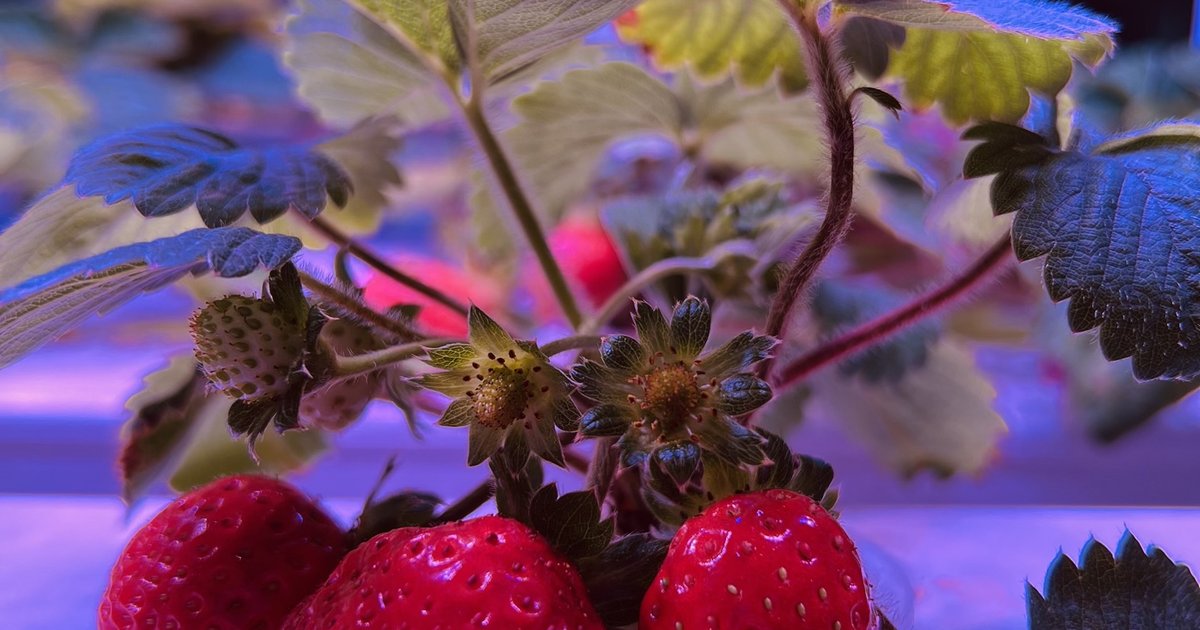
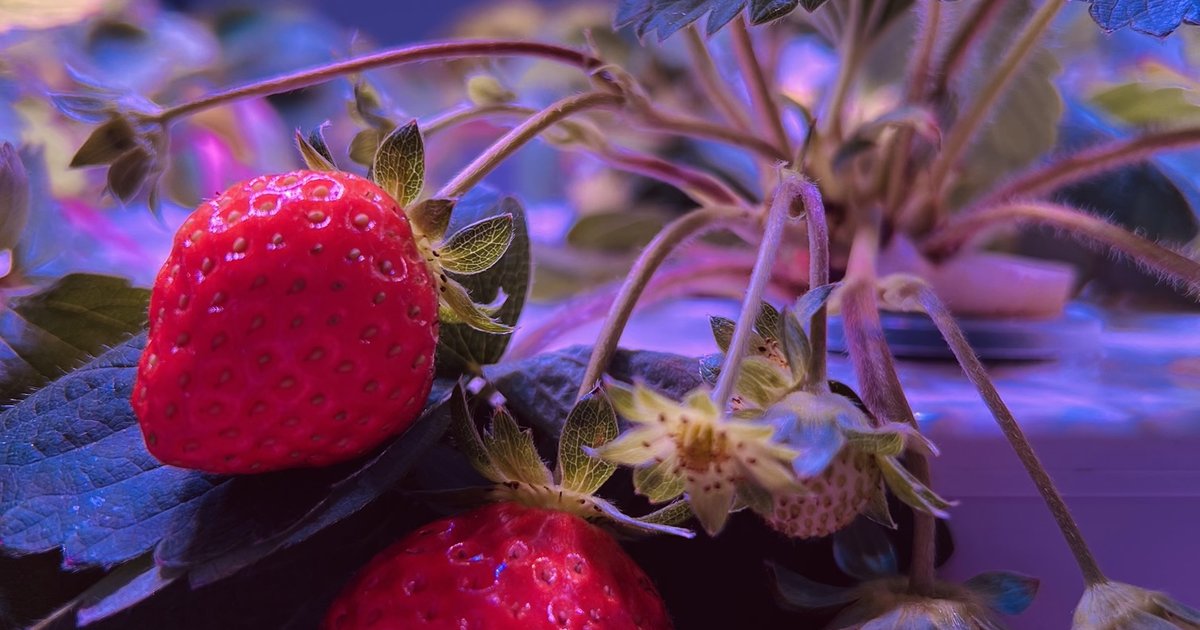
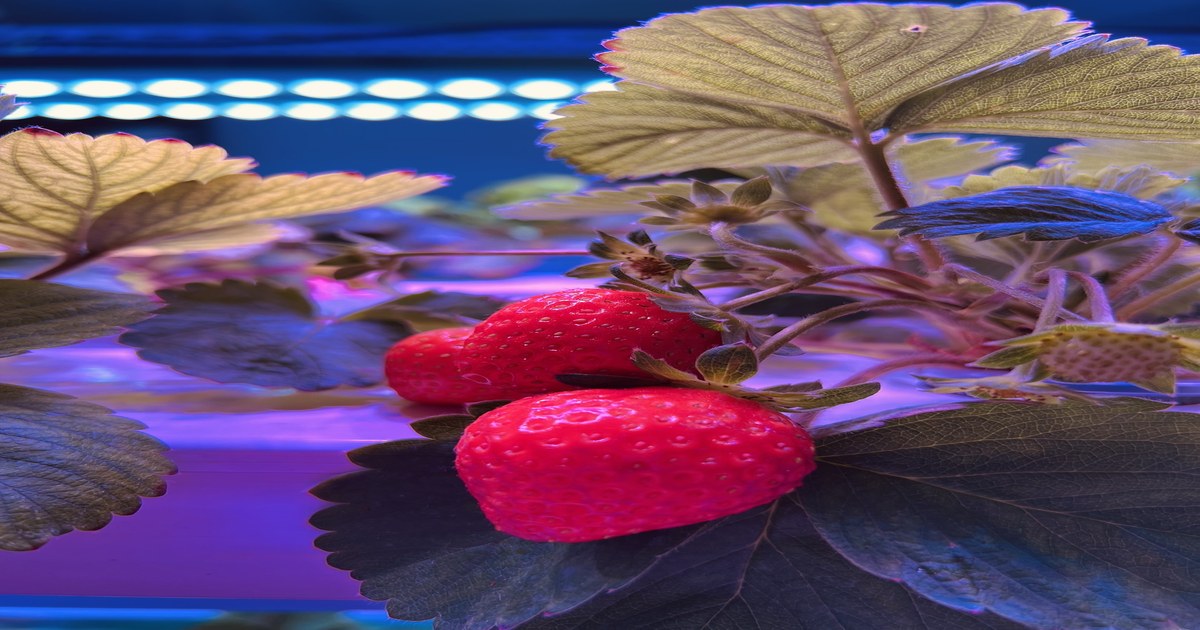
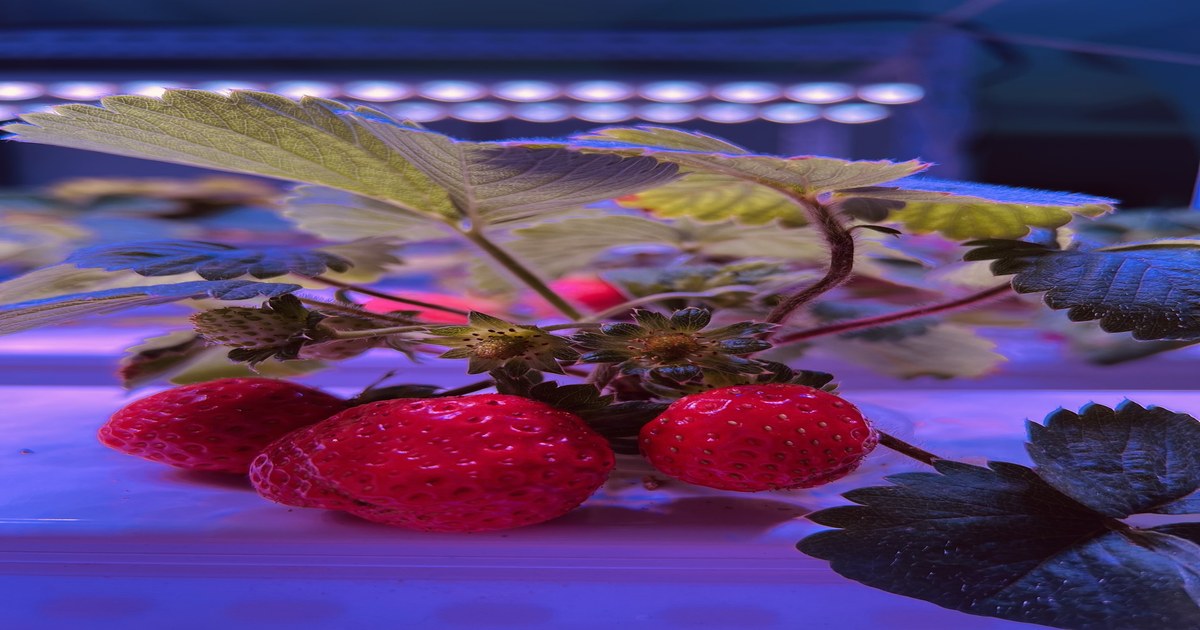
Strawberries (target DLI 15-20): Well within range. The V3 spectrum’s balanced red-blue ratio supports both vegetative growth and fruit development.
Herbs like basil and mint (target DLI 15-20): Ideal conditions for rapid, flavorful growth.
Compact tomatoes and peppers (target DLI 20-30): Adequate for vegetative growth; for full fruiting you may want to increase to 20 hours or add supplemental lighting.
Comparison with Other PT8 Spectra
The V3 spectrum is not the only option in the PT8T lineup. The F175 spectrum delivers 275 μmol/m²/s at 0.2m with 32W consumption and is optimized as a universal full-spectrum option for most plant species. The F4K spectrum, designed for tissue culture and seedling work, delivers 196 μmol/m²/s at 0.2m with 36W consumption and higher blue content.
The V3 spectrum’s advantage is its combination of highest PPFD and highest efficacy. If your primary goal is maximizing growth rate and yield per watt of electricity, V3 is the clear winner. If you need a gentler spectrum for sensitive tissue cultures or prefer a full-spectrum white light for ornamental crops where visual appearance matters, the F4K or F175 may be more appropriate.
Mounting Height Recommendations
Koray recommends a mounting distance of 0.2-0.3m for the PT8T-V3. At 0.2m, you get peak efficiency with 316 μmol/m²/s, ideal for most commercial vegetable and herb production. At 0.3m, the 210 μmol/m²/s output still supports healthy leafy green growth while allowing more vertical space for taller crops or easier maintenance access between shelves.
The PT8T-V3’s Koray secondary optical lens ensures no center hotspot even at the closest 0.15m distance, eliminating the risk of light burn that plagues many competing LED tubes. This optical uniformity is one of the key reasons commercial growers trust Koray Lighting for mission-critical growing operations.
With a 35,000-hour rated lifespan, CE, RoHS, and FCC certifications, and compatibility with Koray’s HortiGuru control system, the PT8T-V3 represents a complete, professional-grade lighting solution backed by over 15 years of horticultural LED innovation from Koray Lighting’s Zhongshan, Guangdong headquarters.

Leave A Comment