
The Short Answer: Yes, Succulents Can Thrive Under Artificial Light
One of the most common questions from new succulent enthusiasts is whether these plants can survive — or even thrive — using only artificial light. The answer is a definitive yes, provided you choose the right light source, deliver adequate intensity, and maintain an appropriate photoperiod. Modern LED grow lights have advanced to the point where they can not only sustain succulent life but produce specimens that rival or exceed those grown under natural sunlight. This comprehensive guide explains the science behind successful indoor succulent cultivation and introduces specific products from Koray Lighting that have been engineered for exactly this purpose.
The Science of Succulent Photosynthesis Under LEDs
Succulents, like all green plants, convert light energy into chemical energy through photosynthesis. The process requires photons in the Photosynthetically Active Radiation (PAR) range of 400-700 nanometers. What makes succulents somewhat unique is their Crassulacean Acid Metabolism (CAM) photosynthetic pathway, which allows them to open their stomata at night to reduce water loss. This adaptation means succulents are highly efficient with water but still require substantial light energy for optimal growth.
The key metric for evaluating any grow light for succulents is PPFD (Photosynthetic Photon Flux Density), measured in μmol/m²/s. Most succulents require a PPFD of 200-500 μmol/m²/s for healthy growth, with some high-light varieties like Echeveria and Aloe benefiting from levels up to 600 μmol/m²/s. The Daily Light Integral (DLI) — the total number of moles of photons received per square meter per day — should target 10-20 mol/m²/day for most succulent species.
Choosing the Right Artificial Light for Succulents
Not all artificial lights are created equal when it comes to growing succulents. Standard household LED bulbs, while energy-efficient, typically lack the spectral balance and intensity that succulents need. Purpose-built horticultural LED lights, on the other hand, are designed to deliver the specific wavelengths and intensities that drive photosynthesis and healthy plant morphology.
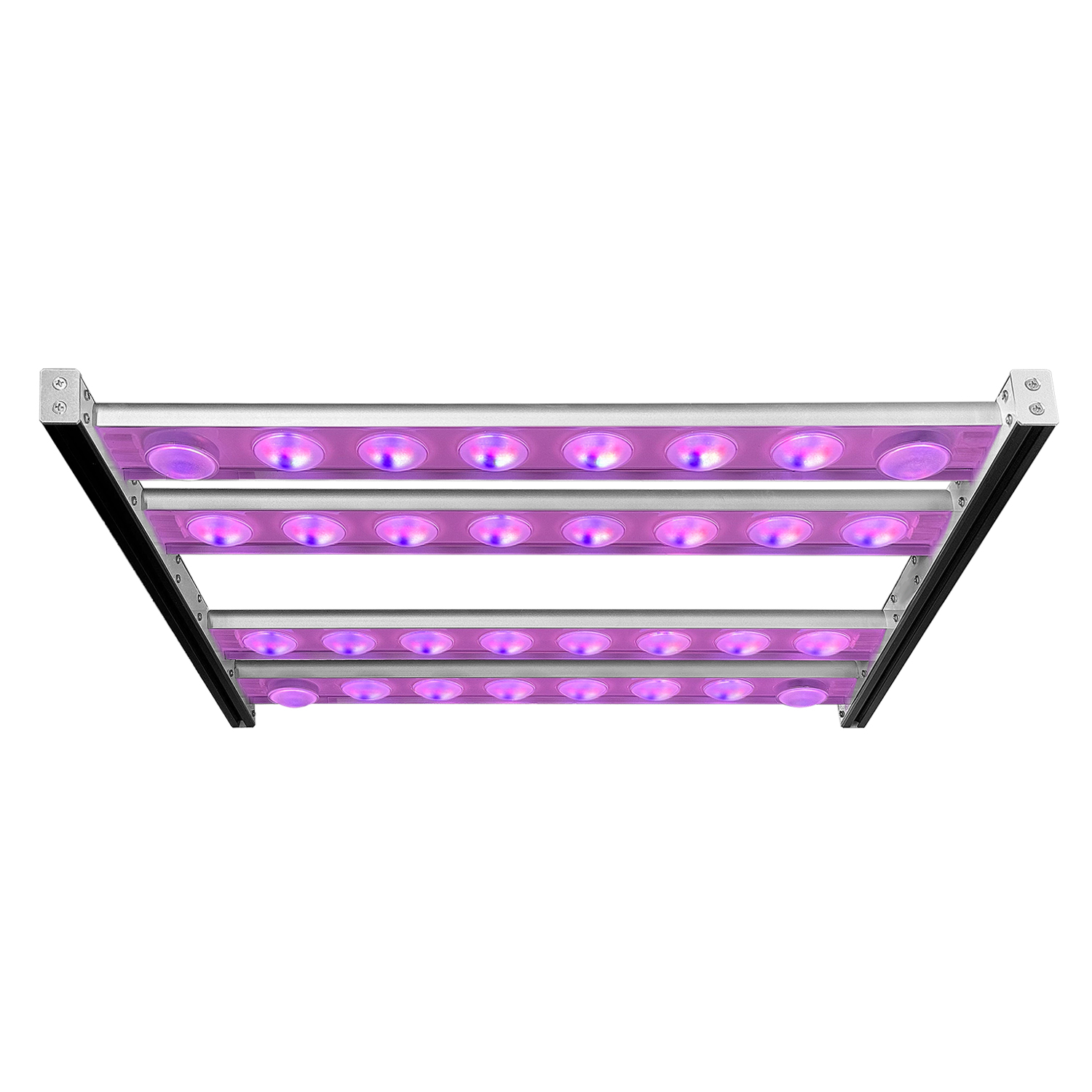
Koray Lighting’s GE35-120T-K6 represents the state of the art for succulent cultivation. This 80W LED bar delivers a PPFD of 760 μmol/m²/s at 0.2 meters and 530 μmol/m²/s at 0.3 meters, using Koray’s proprietary secondary optical system with a 45° lens that eliminates hotspots and ensures uniform light distribution. The K6 spectrum provides enhanced red wavelengths specifically tuned for flowering plants and succulents, promoting compact growth, vivid coloration, and healthy development.
For smaller setups, the PAR30Z-20W with S91 spectrum offers an accessible entry point. At just 20W with a standard E27 base, this zoomable spotlight delivers full-spectrum warm white light (S91) that makes succulents look stunning while providing adequate PAR for healthy growth. The zoomable lens allows growers to adjust the beam angle to match their specific setup, making it incredibly versatile for bookshelf displays, cabinet grows, and small succulent collections.
How Many Hours of Artificial Light Do Succulents Need?
Succulents typically require 12-16 hours of artificial light per day to achieve their target DLI. This may seem like a long duration, but it’s necessary because artificial lights are generally less intense than direct sunlight (which can deliver over 2000 μmol/m²/s at midday). The longer photoperiod compensates for the lower peak intensity.
Using the GE35-120T-K6 at 0.3 meters (delivering 530 μmol/m²/s), a 14-hour photoperiod provides a DLI of approximately 13.4 mol/m²/day — ideal for most succulent varieties. For the lower-wattage PAR30Z-20W, growers should position the light closer (0.15-0.3 meters) and run a 14-16 hour photoperiod to ensure adequate DLI.
It’s important to provide a consistent dark period as well. Succulents, particularly CAM plants, benefit from an 8-10 hour dark period for proper metabolic function. Running lights 24/7 can actually stress the plants and disrupt their natural physiological cycles.
Multi-Tier Succulent Growing with Artificial Light
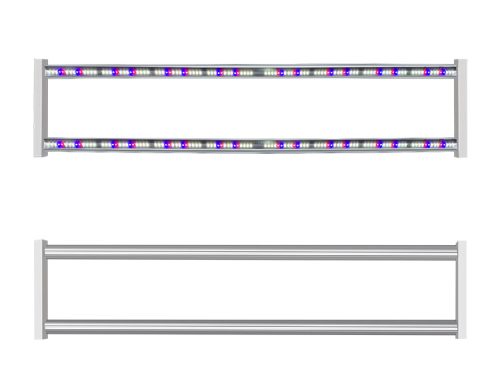
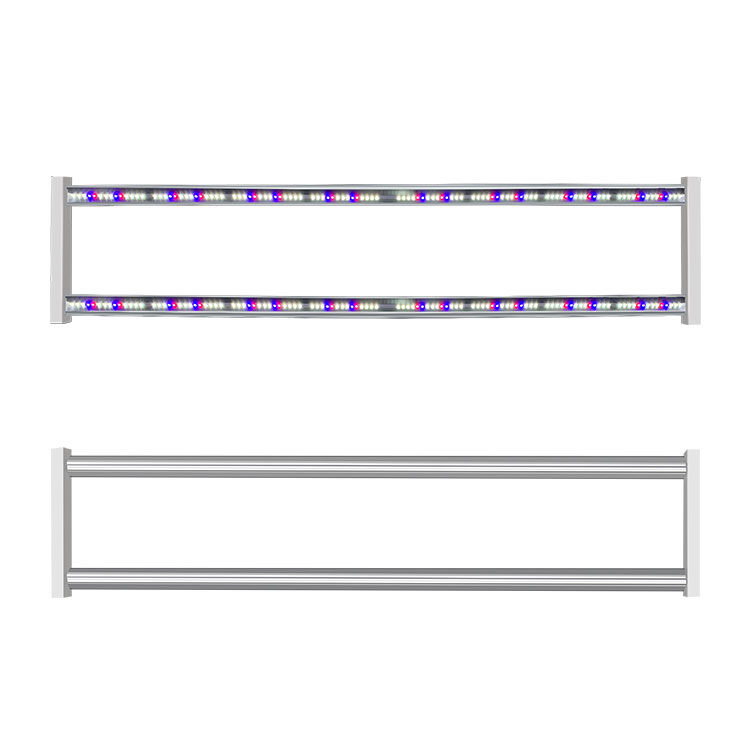
One of the greatest advantages of artificial lighting is the ability to stack growing tiers vertically, dramatically increasing growing density. The Koray GE35 series was designed with this in mind. At just 38x40mm in cross-section and available in 600mm, 900mm, and 1200mm lengths, these bars fit neatly under standard shelving units.
A typical 4-tier shelf setup using GE35-120T-K6 bars (900mm, 80W each) can grow succulents across 4 levels in the footprint of a single windowsill. Each bar delivers 165 μmol/s PPF with uniform distribution, and the IP64 waterproof rating protects against accidental overwatering. The series supports AC120-277V input with power factor >0.9, making it efficient for both home and commercial installations.
For commercial succulent nurseries, Koray Lighting’s G138 series offers even more flexibility. Available in 60°, 90°, and 120° beam angles, and customizable to 24V or 48V DC operation, the G138 can be configured for any shelf width or growing configuration. The K6C spectrum option ensures succulents receive the red-enhanced light they need for optimal coloration.
Common Mistakes When Growing Succulents Under Artificial Light
The most common mistake is using insufficient light intensity. Many growers purchase weak LED strips or household bulbs and wonder why their succulents become leggy and lose color. The solution is to choose purpose-built grow lights with documented PPFD ratings. Koray Lighting publishes detailed PPFD maps for all their products, so growers can precisely calculate the light their plants will receive at any distance.
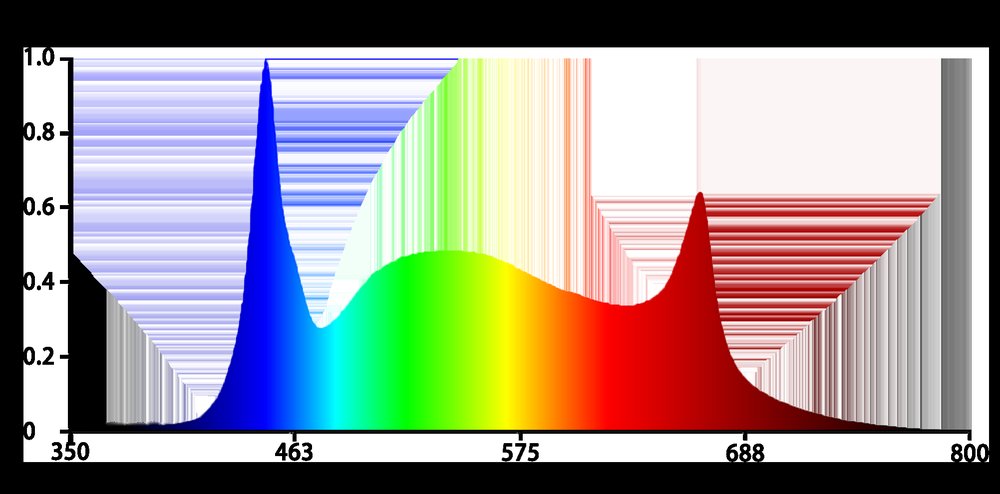
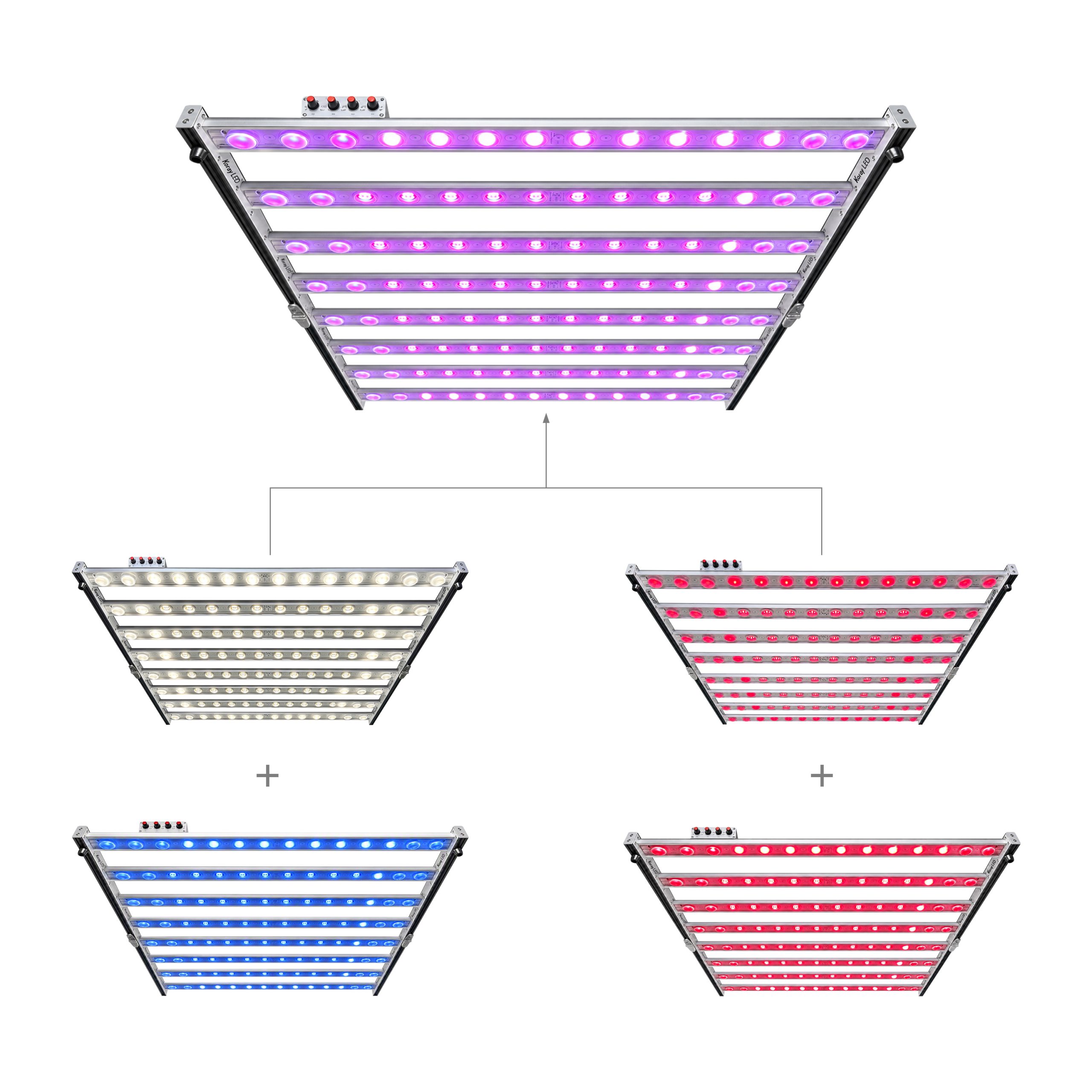
Another frequent error is choosing the wrong spectrum. While any light in the PAR range will support photosynthesis to some degree, the spectral quality significantly affects plant morphology and coloration. Succulents grown under blue-heavy light without adequate red wavelengths tend to be overly compact with muted colors. The K6 spectrum from Koray strikes the ideal balance, with enhanced red for photosynthetic efficiency and color development, plus sufficient blue for compact growth.
Inconsistent photoperiod is a third common issue. Using a timer to maintain a consistent 14-16 hour light cycle is essential. Irregular light schedules confuse the plant’s circadian rhythm and can lead to irregular growth patterns.
Long-Term Success with Artificial Lighting
Succulents grown under proper artificial lighting can live for decades, just like their outdoor counterparts. The key is choosing quality fixtures with proven performance data. Koray Lighting products carry CE, RoHS, FCC, and ETL certifications, with lifespans rated at 35,000-50,000 hours — equivalent to 6-10 years of continuous operation. The company, founded in 2009 in Zhongshan, Guangdong, holds over 200 patents and exports to more than 60 countries, providing the reliability and support that serious growers demand.
Whether you’re a home grower with a small succulent collection or a commercial nursery producing thousands of plants, modern LED grow lights from Koray Lighting make it entirely possible to grow stunning succulents using only artificial light.




Leave A Comment