
What Is the Best Light for Strawberry Runners? A Propagation Lighting Guide
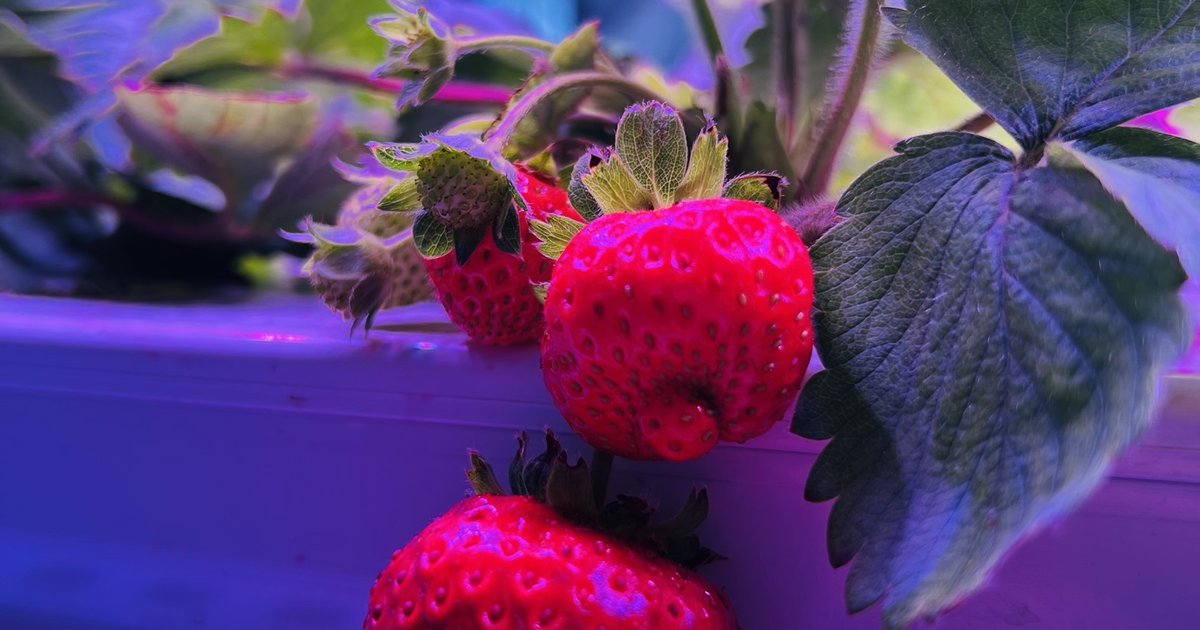
Strawberry runners — the long, arching stems that mother plants send out to produce genetically identical daughter plants — are the lifeblood of commercial strawberry propagation. Whether you are a home gardener looking to expand your patch or a commercial nursery producing thousands of plug plants, the quality of your runner propagation depends heavily on your lighting. This guide covers the ideal light spectrum, intensity, and photoperiod for producing vigorous, well-rooted strawberry runners under LED grow lights.
Understanding Strawberry Runner Biology
Strawberry runners (stolons) are horizontal above-ground stems that grow from the crown of the mother plant. Each node along the runner can develop into a daughter plant when it contacts soil or a growing medium. Runner production is triggered by long days (14+ hours of light) and moderate light intensity. In nature, strawberries produce runners in late spring and summer when daylight hours are longest.
Under LED grow lights, you can control the photoperiod and spectrum to maximize runner production year-round. The key is providing enough light energy to stimulate stolon growth without overwhelming the delicate daughter plants that develop at the runner nodes. A PPFD of 200-300 μmol/m²/s with a 16-18 hour photoperiod is the ideal combination for rapid, uniform runner propagation.
Spectrum Requirements for Runner Production
The light spectrum plays a crucial role in runner development. Blue light (400-500nm) is particularly important for runner propagation because it promotes compact internode spacing, thicker stems, and faster root initiation at the runner nodes. Red light (600-700nm) drives the photosynthetic energy needed to fuel rapid stolon growth. A full-spectrum LED that provides both blue and red in balanced proportions is ideal.
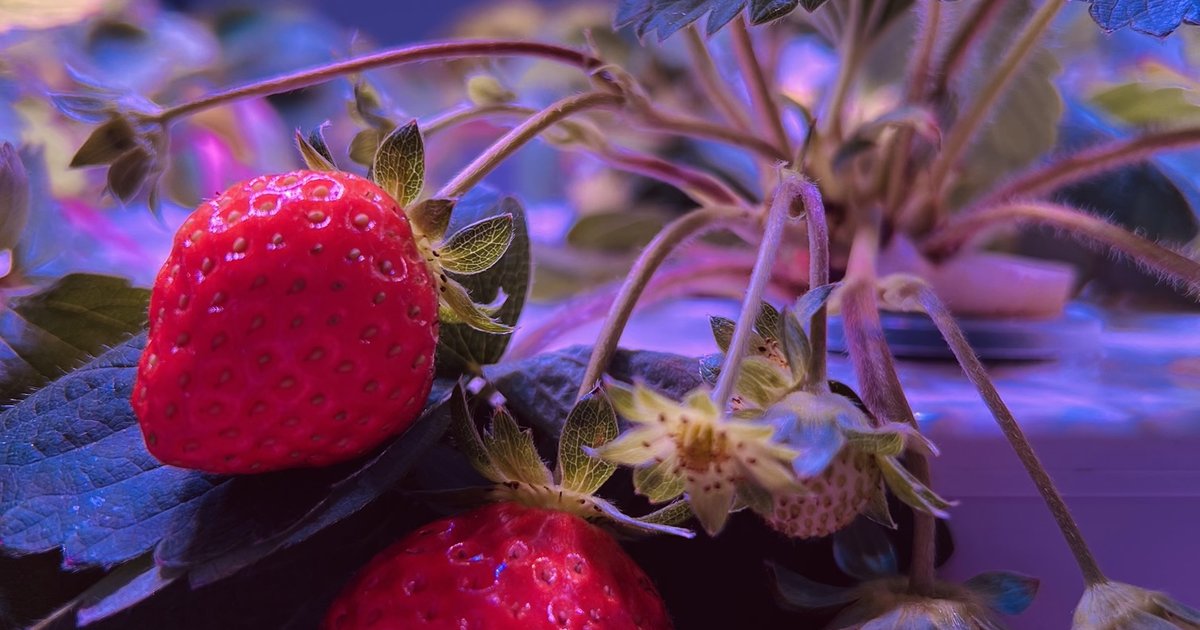
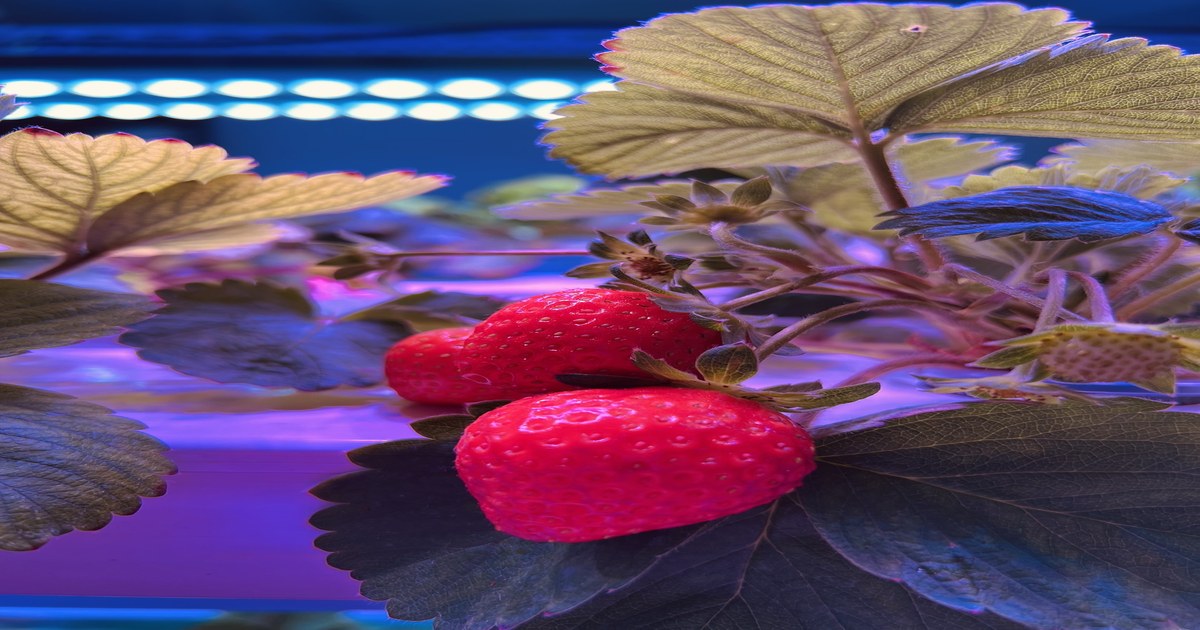
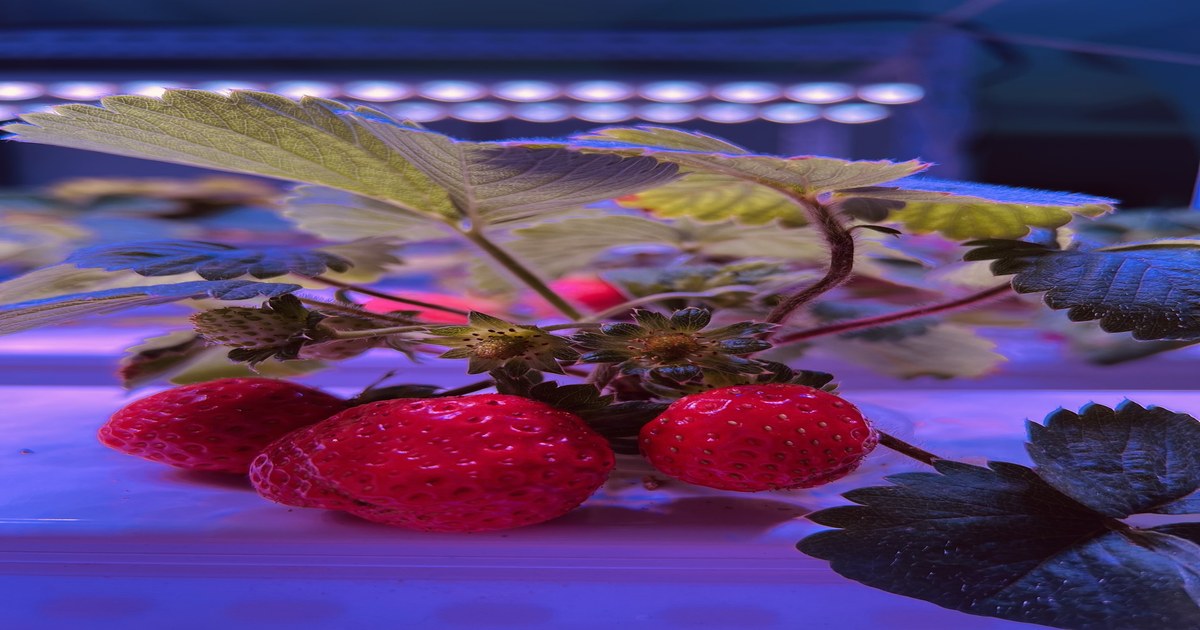
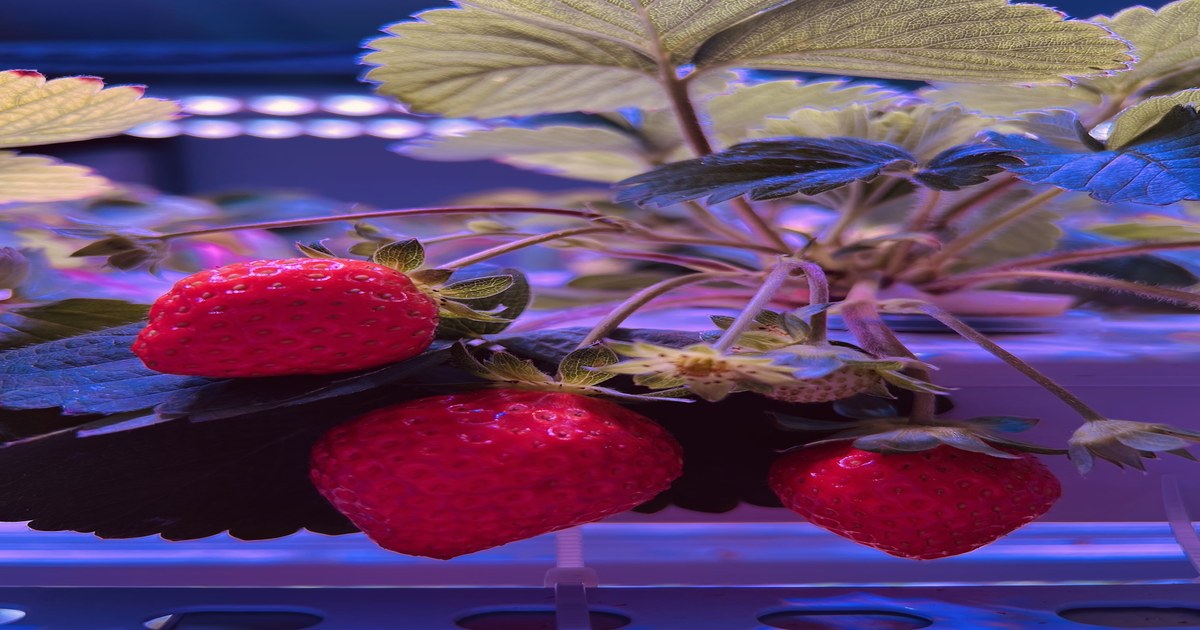
The Koray GE35 series offers multiple spectrum options for different stages of strawberry propagation. The F175 spectrum provides a balanced full-spectrum output suitable for both runner production and subsequent fruiting. For nurseries that want to optimize specifically for compact, sturdy runner plants, the V6 spectrum version delivers a slightly higher blue content with an industry-leading efficacy of 3.5 μmol/J. The GE35-120T-F175 at 60W delivers a PPFD of 530 μmol/m²/s at 0.2m, which can be dimmed to the 200-300 μmol/m²/s range ideal for runner propagation.
Lighting Setup for Runner Propagation
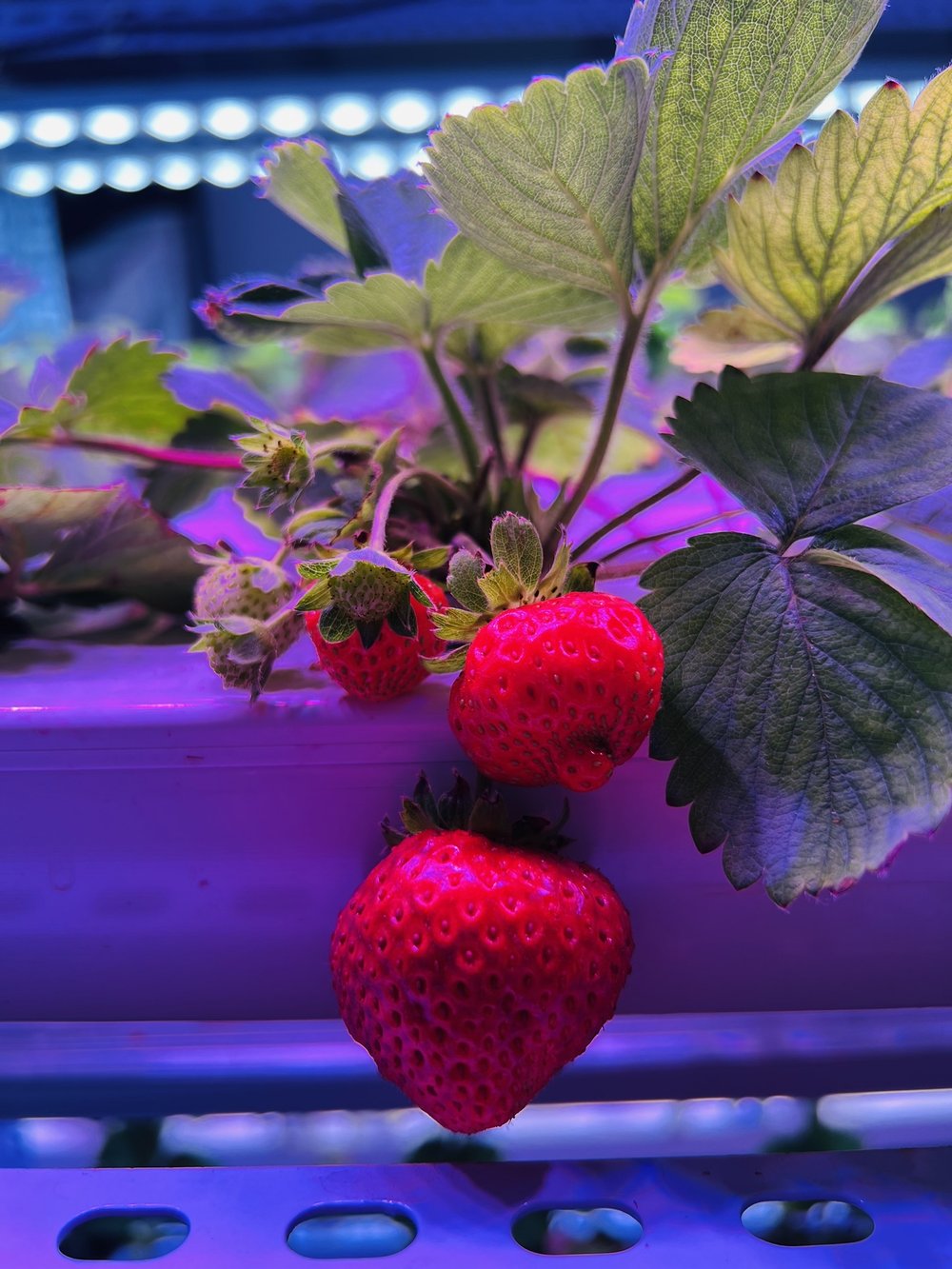
For a standard propagation bench measuring 1.2m × 0.6m, install two Koray GE35-120T-F175 bars spaced 40cm apart above the bench. Hang the bars at 0.3 meters above the plant canopy. At this distance, each bar delivers an average PPFD of 360 μmol/m²/s. Since runner propagation benefits from slightly lower intensity, you can use the built-in 0-10V dimming to reduce output to 60-70%, bringing the PPFD into the 220-250 μmol/m²/s sweet spot.
Set the photoperiod to 16-18 hours per day using a simple timer or a smart controller like the Horti Guru system compatible with Koray products. The extended photoperiod mimics the long summer days that naturally trigger runner production, and the consistent daily schedule ensures uniform development across all daughter plants.
From Runners to Fruiting Plants
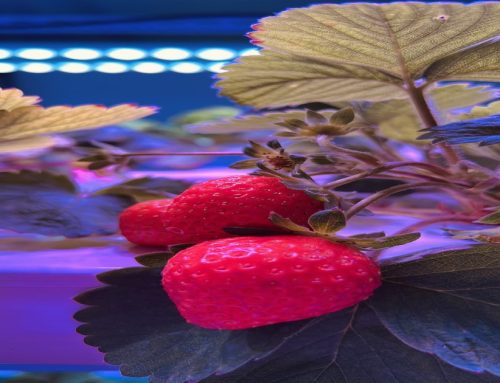
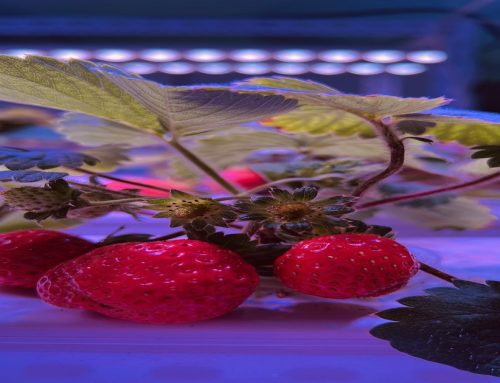
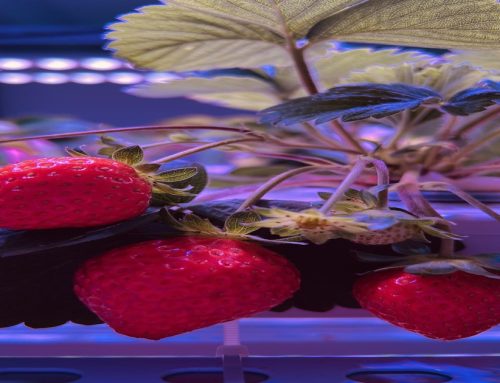
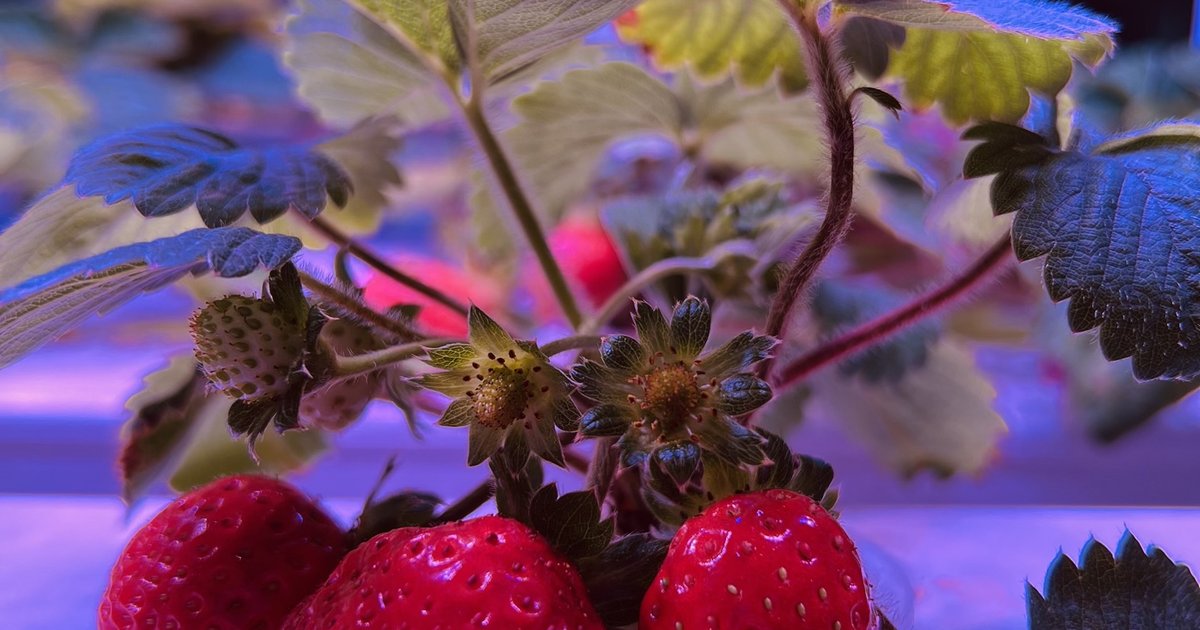
Once daughter plants have established strong root systems (typically 4-6 weeks after the runner node contacts the growing medium), you can transition them to fruiting conditions. Increase the PPFD to 300-400 μmol/m²/s by reducing the hanging distance to 0.2 meters or increasing the dimmer setting. Maintain the photoperiod at 14-16 hours for everbearing varieties, which will trigger flowering under these higher-light conditions.
The Koray PT8 series is another excellent option for the transition phase. The PT8T-F175 tube delivers 275 μmol/m²/s at 0.2 meters with only 32W power consumption, making it an energy-efficient choice for multi-tier propagation systems where space is at a premium. With IP66 waterproof rating and daisy-chain capability (up to 10 tubes per power supply), the PT8 series simplifies large-scale runner propagation setups.
Common Mistakes in Runner Propagation Lighting
The most common mistake is using light that is too intense for young runner plants. PPFD above 400 μmol/m²/s can cause leaf curling, bleaching, and stunted root development in daughter plants that have not yet established. Always start with lower intensity and gradually increase as the plants mature. Another mistake is insufficient photoperiod — runner production drops dramatically below 14 hours of daily light, so ensure your timer is set correctly.
With the right LED lighting strategy, strawberry runner propagation becomes a fast, predictable, and scalable process. Whether you are producing runners for your own garden or running a commercial nursery operation, full-spectrum LED grow lights from Koray provide the precision and efficiency needed for professional-quality results.

Leave A Comment