
Can Strawberries Fruit Under Full-Spectrum LEDs? A Complete Guide
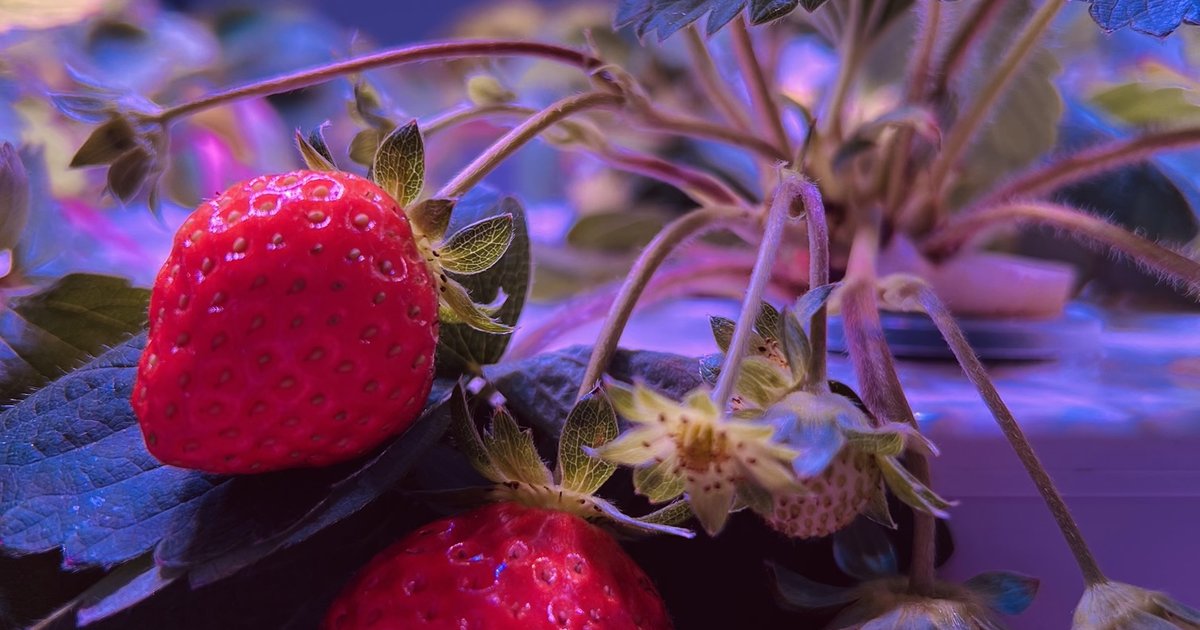
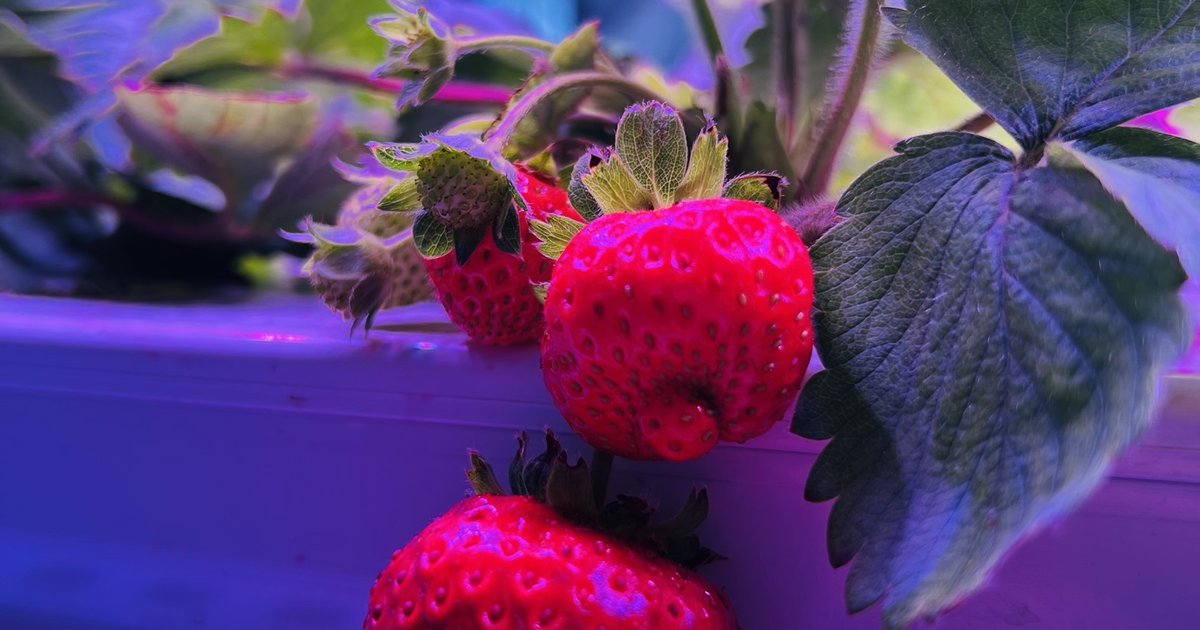
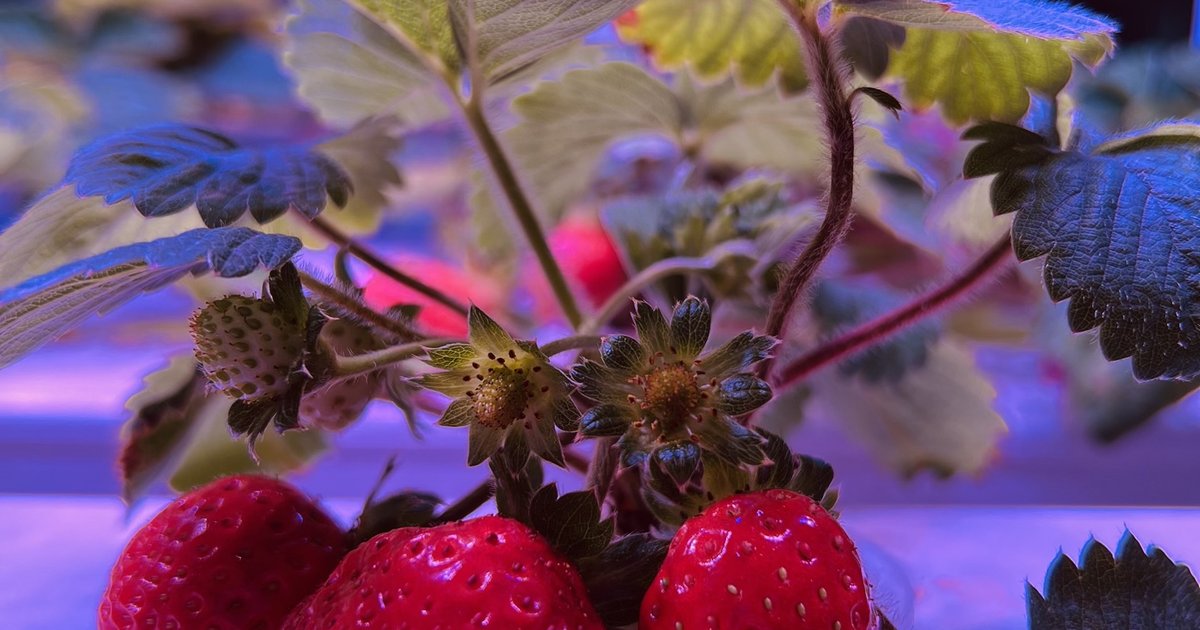
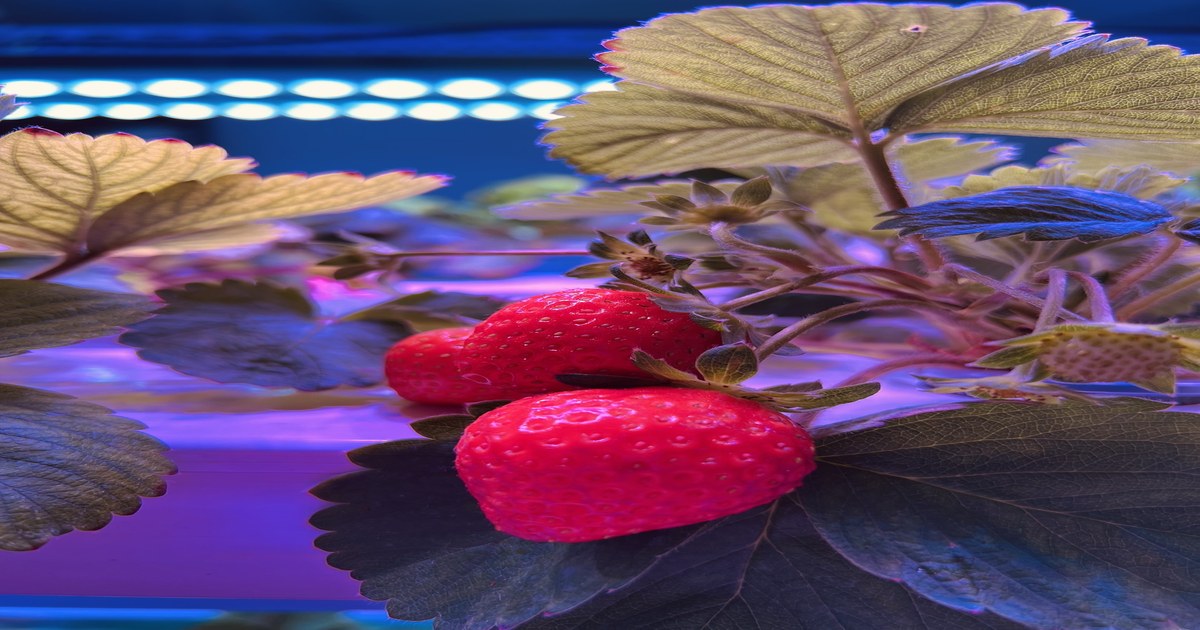
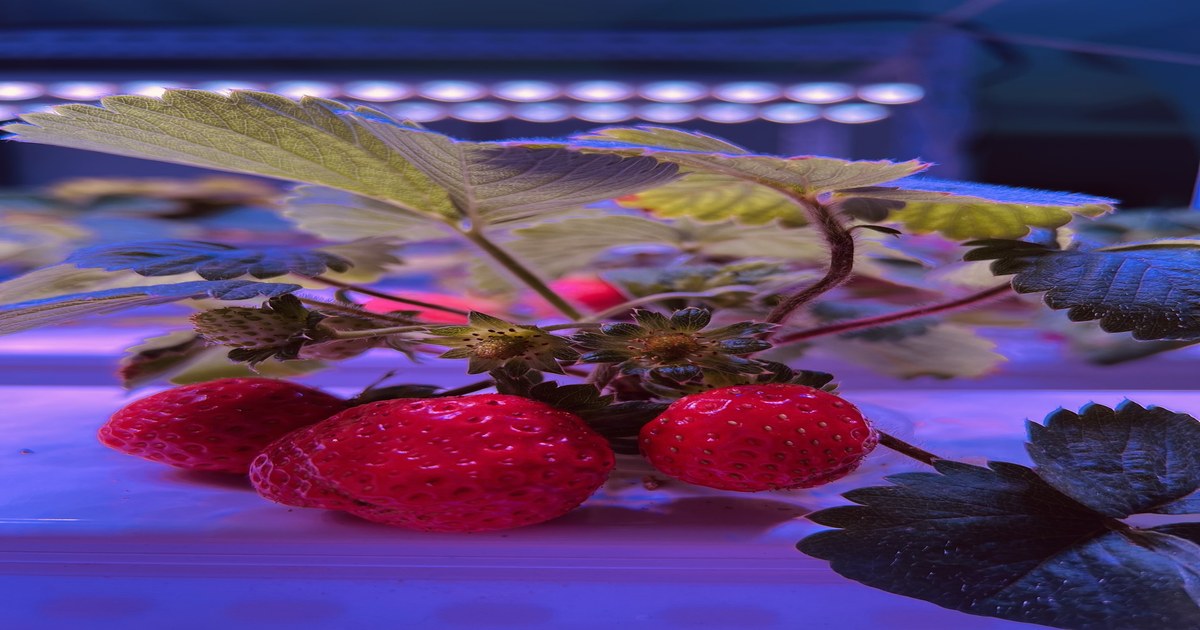
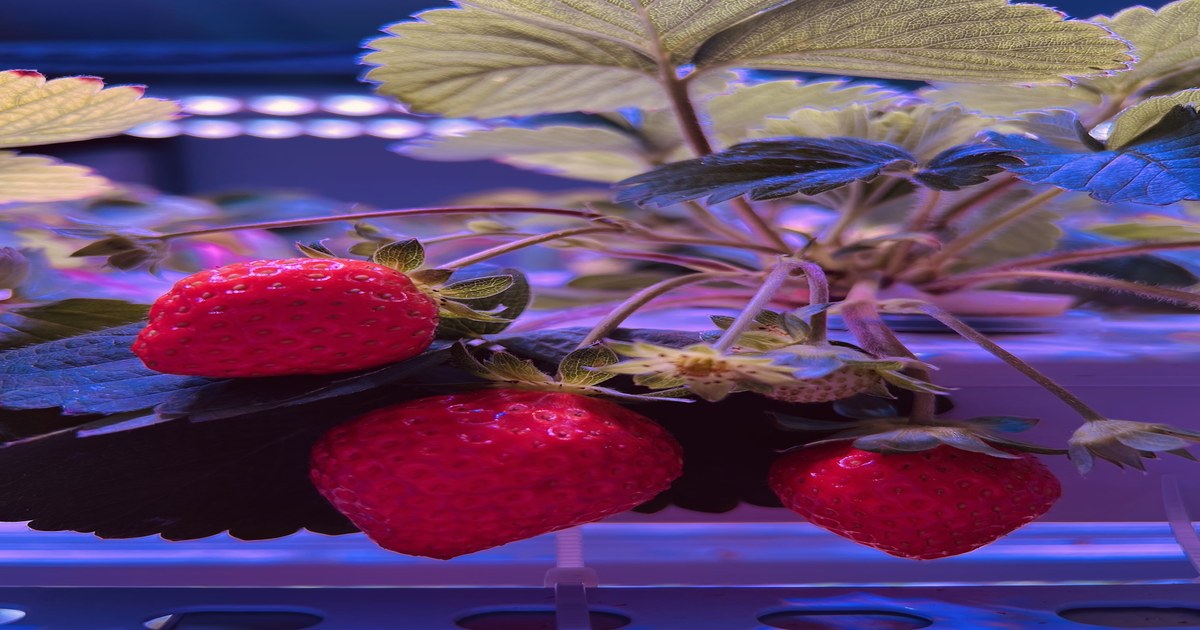
Indoor strawberry growing has surged in popularity over the past five years, driven by advances in LED lighting technology and the rising demand for year-round fresh berries. One of the most common questions growers ask is whether strawberries can actually fruit under artificial full-spectrum LED lights — and the answer is a resounding yes. With the right light spectrum, intensity, and photoperiod, strawberries not only fruit but can produce yields comparable to greenhouse-grown counterparts. This guide walks you through the science, the specs, and the practical setup you need to succeed.
Why Full-Spectrum LEDs Work for Strawberries
Strawberries, like all fruiting crops, rely on photosynthesis to convert light energy into the sugars that fuel growth, flowering, and fruit development. Full-spectrum LEDs replicate the natural sunlight that strawberries would receive outdoors, providing wavelengths across the entire photosynthetically active radiation (PAR) range of 400-700nm. Unlike older “blurple” (red-blue only) LEDs, full-spectrum LEDs deliver a balanced light recipe that supports every stage of the strawberry life cycle — from vegetative growth through flowering and ripening.
The key metric to watch is PPFD (Photosynthetic Photon Flux Density), which measures the number of photosynthetically active photons that land on your plants each second. For strawberries to fruit, you need a PPFD of at least 200 μmol/m²/s at the canopy level, with an optimal range of 300-400 μmol/m²/s. The Daily Light Integral (DLI), which is the total amount of light energy delivered over a 24-hour period, should target 12-16 mol/m²/d for fruiting strawberries.
The Role of Spectrum in Strawberry Fruiting
Not all full-spectrum LEDs are created equal. The spectral balance — particularly the ratio of blue to red light — significantly affects strawberry morphology, flowering time, and fruit quality. Blue light (400-500nm) promotes compact growth, thicker leaves, and earlier flower initiation. Red light (600-700nm) drives photosynthetic efficiency and fruit sugar accumulation. A balanced spectrum that includes both, along with some green and far-red wavelengths, produces the healthiest, most productive strawberry plants.
Koray Lighting, a leading horticultural lighting manufacturer based in Zhongshan, Guangdong, has developed the GE35 series specifically for strawberry and vegetable production. The GE35-120T-F175 model delivers a full-spectrum F175 output at 60W power consumption, producing a PPFD of 530 μmol/m²/s at 0.2 meters and 360 μmol/m²/s at 0.3 meters — right in the sweet spot for strawberry fruiting. With an efficacy of 2.5 μmol/J and a PPF of 150 μmol/s, this LED bar provides efficient, uniform lighting across the entire growing area.
Commercial Proof: Strawberries Under LEDs
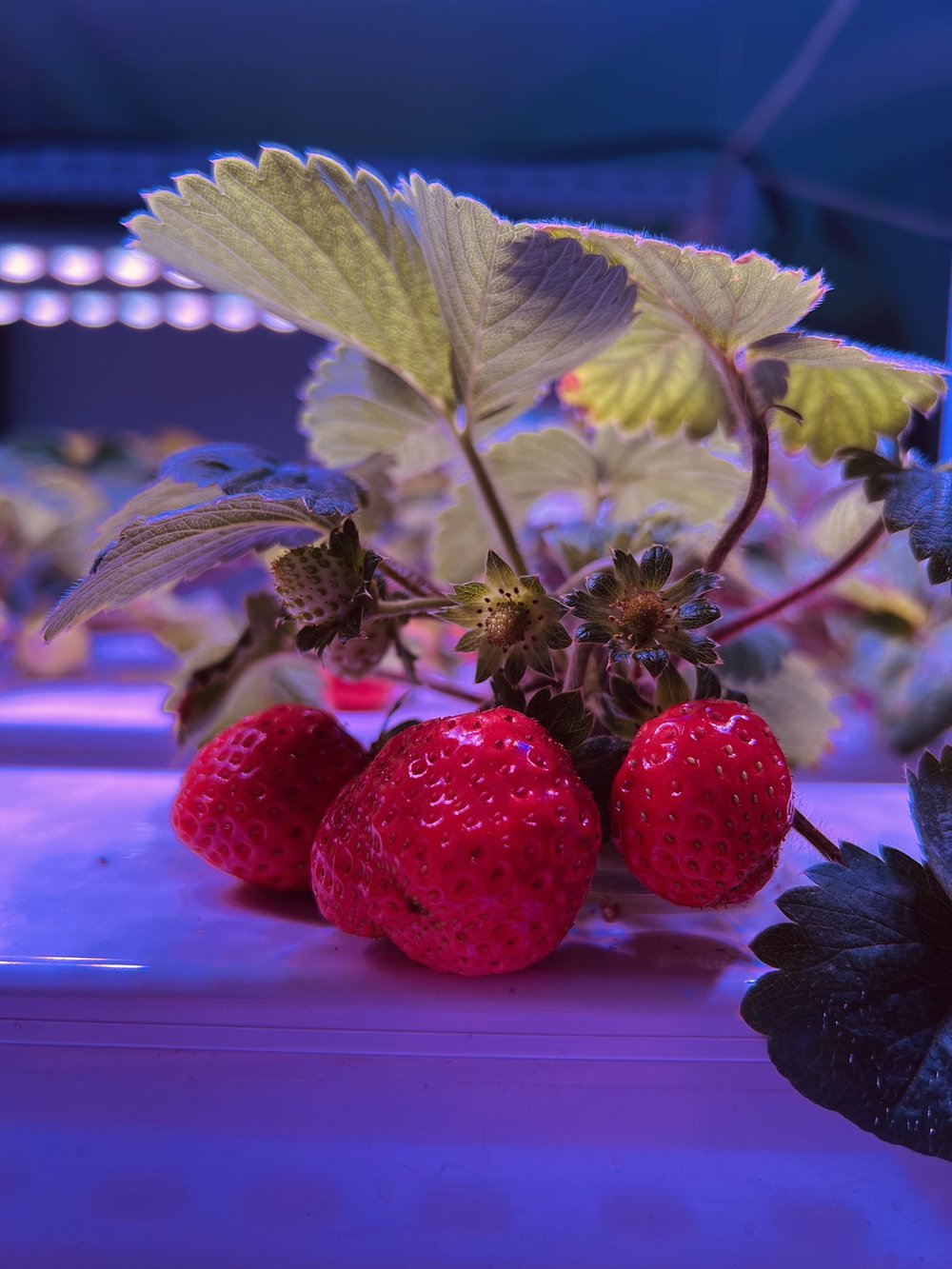
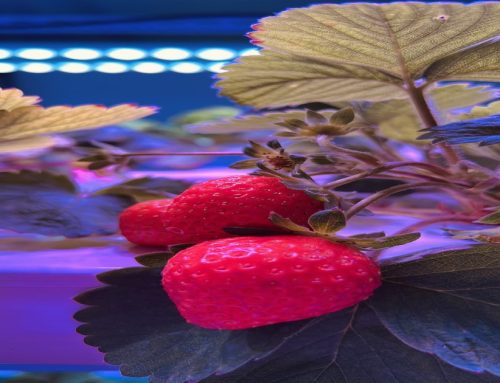
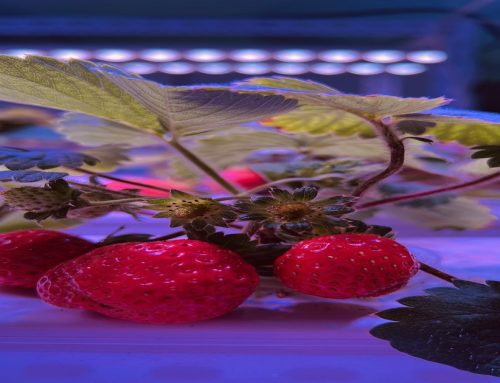
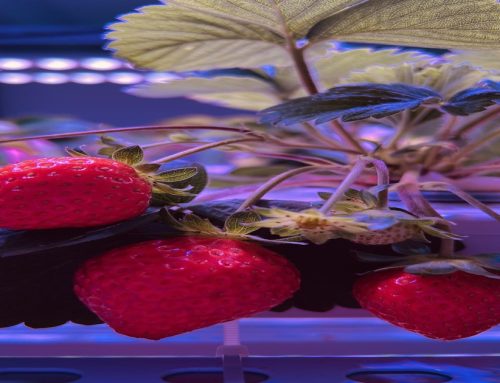
Commercial vertical farms and plant factories around the world are already growing strawberries successfully under full-spectrum LEDs. In Japan, vertical strawberry farms using LED lighting produce up to 10 harvests per year, compared to just one or two in traditional outdoor cultivation. The controlled environment eliminates weather-related risks, reduces pesticide use, and allows precise tuning of light recipes for optimal flavor and yield.
The GE35 series from Koray is designed for exactly this type of commercial application. With IP64 waterproof rating, AC120-277V universal input, and a power factor greater than 0.9, these LED bars are built for demanding horticultural environments. The 1200mm length fits standard vertical farming shelves, and the daisy-chain capability allows multiple bars to be connected to a single power source, simplifying installation.
Setting Up Your LED System for Strawberry Fruiting
To get strawberries fruiting under full-spectrum LEDs, start by calculating your target DLI. For most everbearing varieties, 14 mol/m²/d is ideal. If your LED delivers an average PPFD of 300 μmol/m²/s, you would need approximately 13 hours of daily light: DLI = PPFD × hours × 3600 / 1,000,000, so 14 = 300 × hours × 3600 / 1,000,000, giving roughly 13 hours.
Hang your LED lights at a distance of 0.2-0.3 meters above the strawberry canopy. At 0.2 meters, the GE35-120T-F175 delivers 530 μmol/m²/s, which is more than sufficient for fruiting. If you notice leaf curling or bleaching, raise the light to 0.3 meters where PPFD drops to a gentler 360 μmol/m²/s. Use a timer or smart controller to maintain consistent photoperiods, and monitor your plants closely during the first few weeks to fine-tune the setup.
Common Mistakes to Avoid
The most common mistake new indoor strawberry growers make is providing insufficient light intensity. While strawberries are not as light-hungry as tomatoes or cannabis, they still need a minimum PPFD of 200 μmol/m²/s to initiate flowering. Below this threshold, plants will grow vegetatively but fail to produce fruit. Another mistake is inconsistent photoperiod — strawberries need at least 12 hours of light per day to trigger and sustain flowering in most everbearing varieties.
With proper full-spectrum LED lighting, consistent photoperiod, and attention to PPFD and DLI targets, growing fruiting strawberries indoors is not only possible but highly rewarding. The technology is mature, the products are affordable, and the results speak for themselves.

Leave A Comment