
How Does Light Intensity Affect Strawberry Sweetness? A Complete Guide for Growers
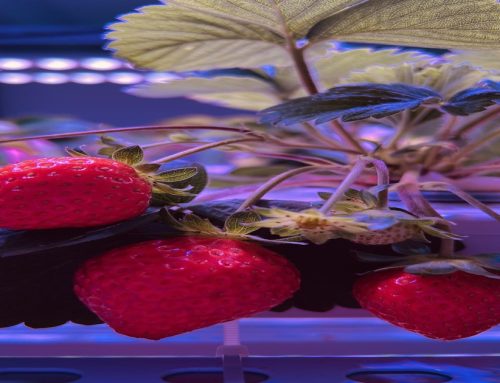
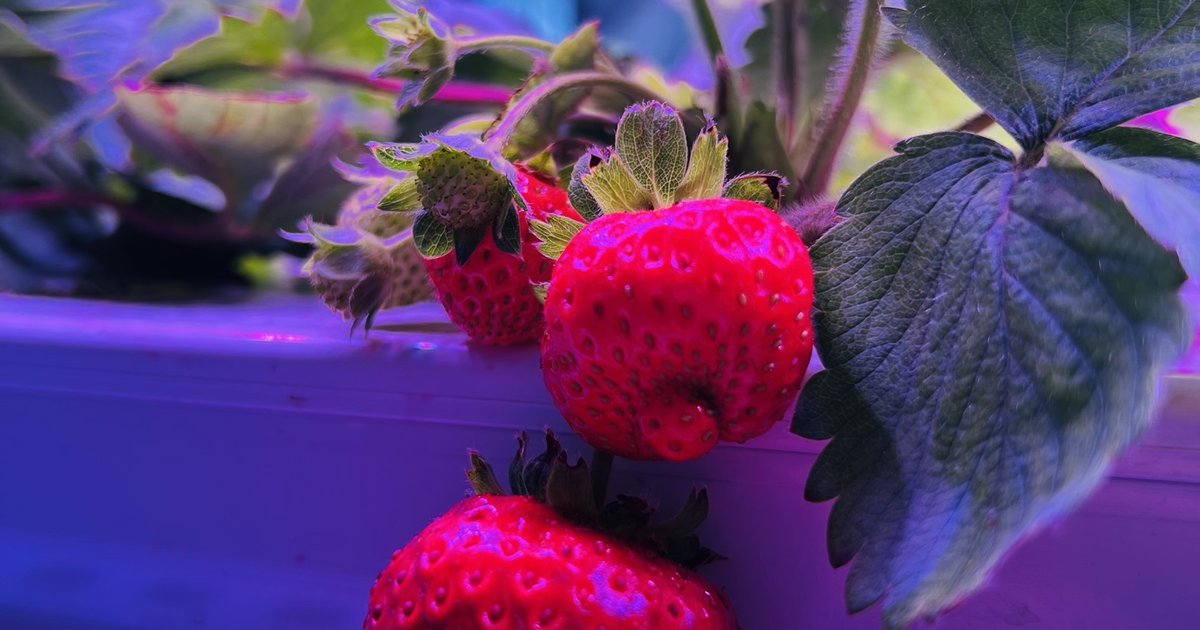
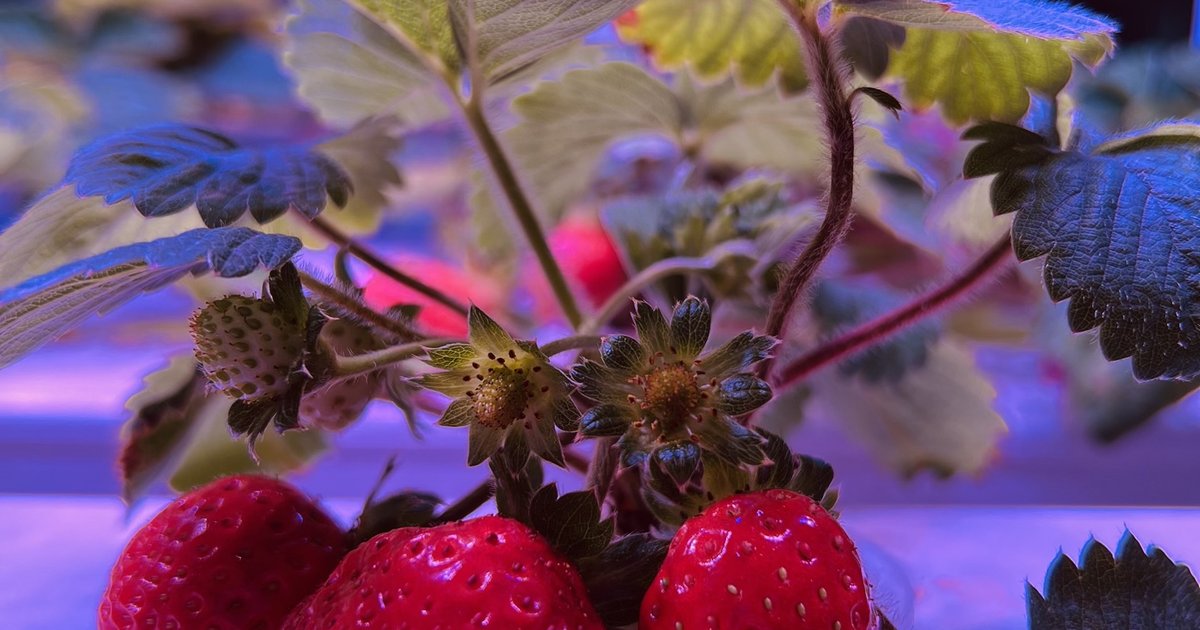
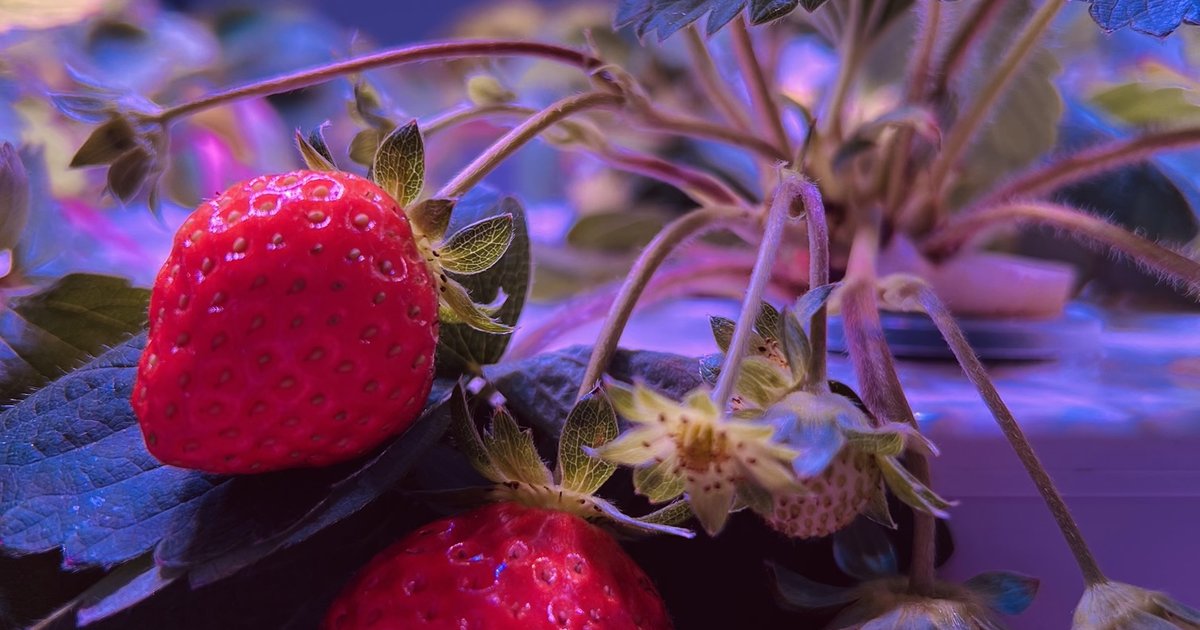
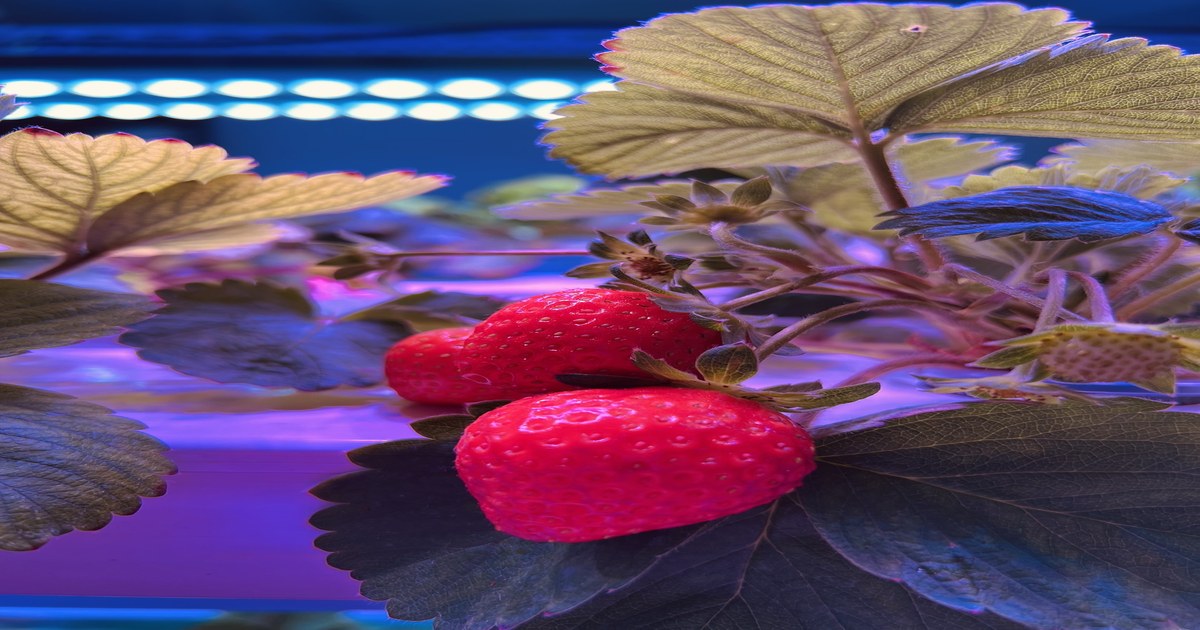
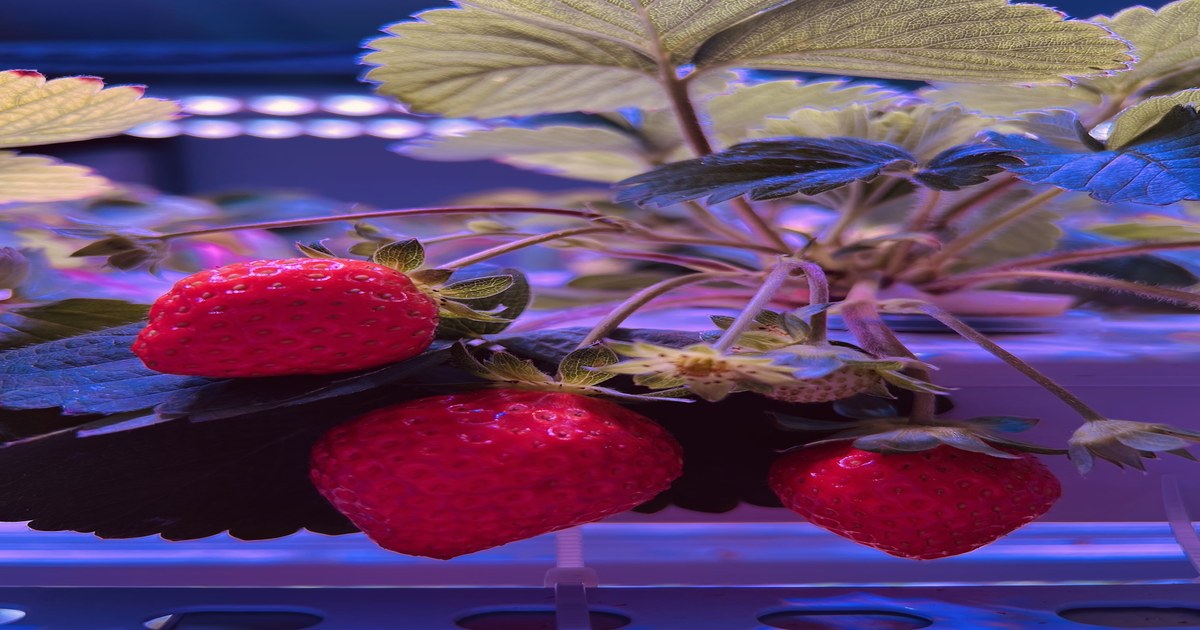
Strawberry sweetness is one of the most important quality factors for both commercial growers and home enthusiasts. While variety selection, nutrition, and temperature all play a role, light intensity is arguably the single most powerful environmental factor you can control to maximize sugar content in your strawberries. In this comprehensive guide, we explore the science behind light intensity and strawberry sweetness, and show you how to use PPFD management with Koray Lighting’s GE35 and G80 series to produce noticeably sweeter fruit.
The Science of Light and Sugar Accumulation
Strawberry sweetness is measured in degrees Brix (°Bx), which represents the percentage of dissolved sugars (primarily glucose, fructose, and sucrose) in the fruit juice. Commercial varieties typically range from 6-9 °Bx, but premium growers target 10-12 °Bx or higher. The key driver of sugar accumulation is photosynthesis, and photosynthesis is directly proportional to the amount of photosynthetically active radiation (PAR) the plant receives.
When strawberry leaves absorb photons in the 400-700nm PAR range, they convert CO₂ and water into sugars through the Calvin cycle. Higher light intensity (measured as PPFD in μmol/m²/s) drives more photosynthetic activity, producing more sugars that are then transported to developing fruit. Research from the University of Florida and UC Davis has demonstrated a strong positive correlation between PPFD levels during fruit ripening and final Brix measurements.
Optimal PPFD Levels for Maximum Strawberry Sweetness
Studies show that strawberry fruit sweetness increases significantly as PPFD rises from 200 to 500 μmol/m²/s. Beyond 500 μmol/m²/s, the rate of sweetness improvement slows, and above 700 μmol/m²/s, there is a risk of photoinhibition and fruit sunburn. The practical sweet spot for maximizing Brix without risking damage is 400-600 μmol/m²/s at the canopy level during the fruit ripening stage (from petal fall to harvest).
With the Koray GE35-120T-K6 spectrum bar, which delivers an impressive 760 μmol/m²/s at 0.2 meters and 530 μmol/m²/s at 0.3 meters, growers can position the bars at 0.35-0.40 meters to achieve a canopy PPFD of approximately 450-500 μmol/m²/s. This K6 spectrum, with its enhanced red output, is specifically designed for flowering and fruiting crops including strawberries, flowers, and succulents.
How Red Light Enhances Sugar Production
Not all light wavelengths contribute equally to sugar accumulation. Red light (600-700nm) is the most efficiently absorbed by chlorophyll-a and chlorophyll-b, driving the highest rates of photosynthesis per photon. The Koray F175 spectrum, used across the GE35 product line, features a pronounced red peak that maximizes photosynthetic efficiency while maintaining enough blue light (400-500nm) to support compact growth and healthy leaf morphology.
Additionally, far-red light (700-750nm) has been shown to enhance the Emerson effect, where the combined action of red and far-red wavelengths produces photosynthetic rates higher than either wavelength alone. Several Koray spectra, including the G24B used in the G80-800W commercial grow light, incorporate carefully balanced far-red components to boost overall photosynthetic efficiency.
DLI and Cumulative Sweetness Effects
While instantaneous PPFD matters, the total daily light integral (DLI) provides a more complete picture. Strawberries receiving a DLI of 20-25 mol/m²/day consistently show higher Brix levels than those receiving less than 15 mol/m²/day. This is because higher cumulative light exposure means more total photosynthetic activity and greater sugar production over the fruit development period.
To achieve a DLI of 22 mol/m²/day at a PPFD of 450 μmol/m²/s, you would need a photoperiod of approximately 13.5 hours. This is easily achievable with Koray’s GE35-120T-F175 bars, which deliver 360 μmol/m²/s at 0.3 meters. By adjusting the hanging height to 0.25 meters, growers can increase PPFD to approximately 530 μmol/m²/s, reaching the target DLI in just 11.5 hours of light.
Practical Tips for Maximizing Sweetness
First, increase light intensity during the ripening phase. Once fruit has set and begins to enlarge, raising PPFD from 350 to 500 μmol/m²/s can significantly boost sugar accumulation. The Koray GE35-120T-K6 bar, delivering 530 μmol/m²/s at 0.3 meters, is ideal for this purpose.
Second, maintain consistent photoperiods. Fluctuating light schedules can disrupt sugar metabolism. Use the HortiGuru smart control system with Koray’s 0-10V dimmable GE35 bars to maintain precise, automated light schedules.
Third, consider supplemental CO₂. At higher PPFD levels, strawberry plants can utilize elevated CO₂ (800-1000 ppm) to further increase photosynthetic rates and sugar production. This combination of high light intensity and enriched CO₂ is standard practice in premium commercial strawberry operations.
Choosing the Right Koray Light for Sweet Strawberries
For vertical farm and greenhouse growers focused on maximizing strawberry sweetness, the Koray GE35-120T-K6 is the top recommendation. Its high PPFD output, enhanced red spectrum, and IP64 waterproof rating make it purpose-built for fruiting crops. For larger commercial operations, the G80-800W with G24B spectrum delivers 1250 μmol/m²/s at 0.3 meters across a 1.2×1.2m coverage area, providing the uniform high-intensity light that premium strawberry production demands. The G80’s Koray secondary optic system eliminates center hotspots, ensuring even ripening across the entire canopy.
For more information about optimizing strawberry sweetness with LED lighting, visit www.koraylights.com. Koray Lighting brings 17 years of horticultural LED expertise and over 200 patents to help commercial growers achieve superior fruit quality.

Leave A Comment