What PPFD Do Succulents Need to Maintain Compact Growth?
Understanding PPFD and Why It Matters for Succulents
Succulents are among the most popular indoor plants, prized for their compact rosettes, vivid colors, and remarkable resilience. Yet one of the most common challenges growers face is keeping these plants tight and compact rather than leggy and stretched. The answer lies in a single metric: PPFD — Photosynthetic Photon Flux Density. Understanding what PPFD levels your succulents need is the difference between a stunning, colorfully compact collection and a sad, elongated mess.
PPFD measures the number of photosynthetically active photons (in the 400–700nm PAR range) that land on a given surface area per second, expressed in μmol/m²/s. For succulents, this number is critical because they evolved in high-light environments — open deserts, rocky hillsides, and semi-arid regions where sunlight is intense and unfiltered. When grown indoors without adequate PPFD, they quickly lose their characteristic compact form.
What PPFD Range Do Succulents Need?
The PPFD requirements for succulents vary by species, but as a general framework:
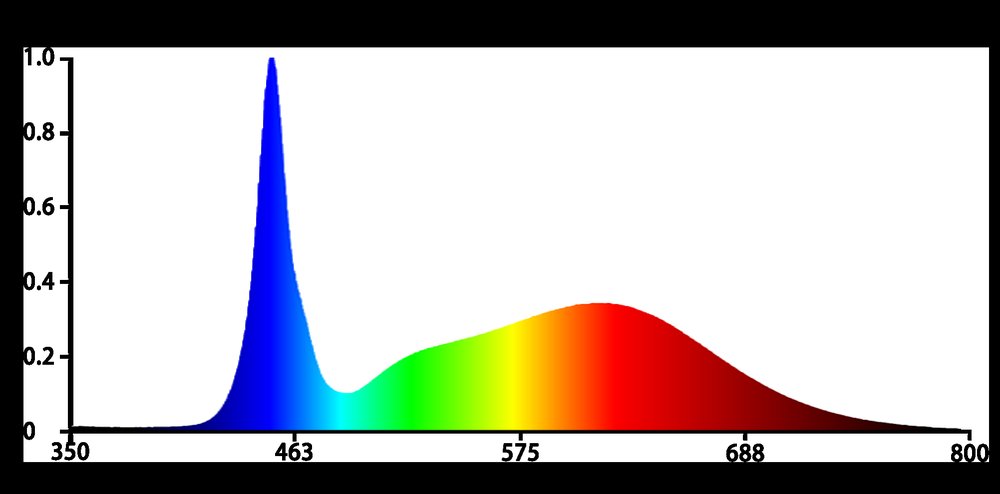
Low-light succulents such as Haworthia, Gasteria, and Sansevieria thrive at 200–400 μmol/m²/s. These species naturally grow under partial shade or beneath other plants, so they tolerate lower light levels while maintaining compact growth. A Koray PAR30Z-20W with S91 warm white spectrum positioned 0.3 meters above the canopy can deliver approximately 140–220 μmol/m²/s, which is ideal for these shade-tolerant varieties when placed at the right height.
Medium-light succulents including Echeveria, Graptopetalum, Sedum, and most Crassula species require 400–600 μmol/m²/s to stay compact and display their best coloration. This is the range where most “pretty” succulents maintain their tight rosette shapes and develop the stress colors — pinks, purples, reds, and oranges — that collectors love.
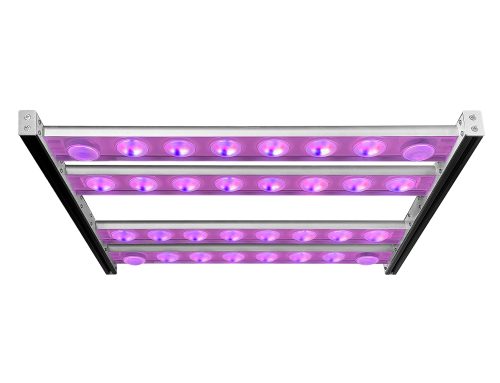
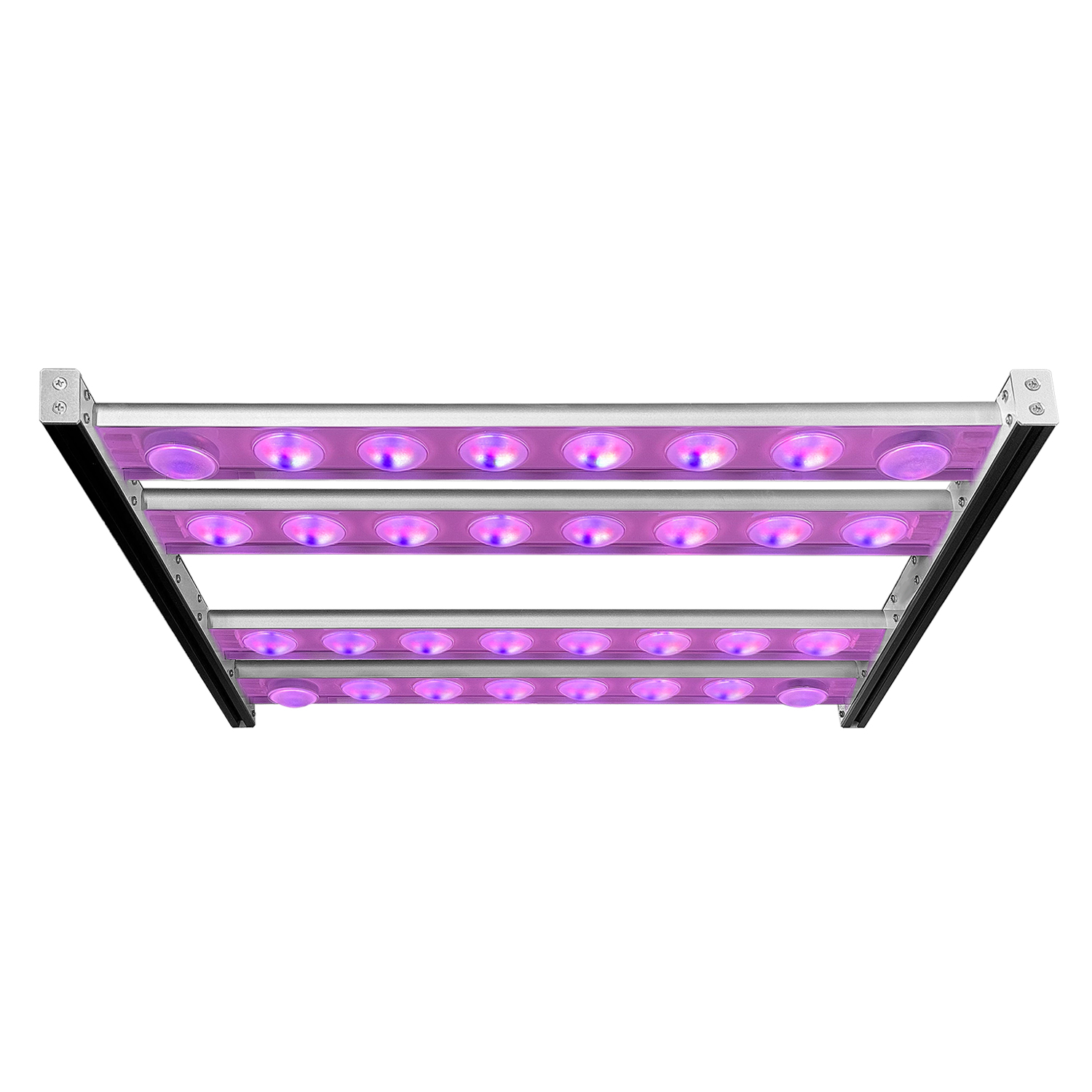
High-light succulents such as Lithops, Conophytum, Agave, and many Aloes need 600–800+ μmol/m²/s. These desert natives are accustomed to extreme light intensity and will stretch even at moderate PPFD levels. For these demanding species, the Koray GE35-120T-K6 is purpose-built: its 80W output and 45-degree lens deliver 760 μmol/m²/s at 0.2 meters and 530 μmol/m²/s at 0.3 meters, providing the intense, focused light that high-light succulents demand.
Why Compact Growth Depends on Sufficient PPFD
Succulents maintain compact growth through a balance of light absorption and growth hormone regulation. When PPFD is too low, a process called etiolation begins. The plant produces excess auxin (a growth hormone) on the shaded side of the stem, causing cells to elongate rapidly as the plant “reaches” toward what it perceives as a light source. The result is a stretched, thin stem with widely spaced leaves — the opposite of the tight, attractive form growers want.
At the right PPFD, succulents instead direct energy into compact cell division, thick leaves, and vibrant pigment production. The pigments responsible for red, purple, and orange coloration (anthocyanins and carotenoids) are actually protective compounds that plants produce in response to high light intensity. Without sufficient PPFD, these pigments fade and the plant reverts to green, losing not only its compact shape but also its visual appeal.
How Distance Affects PPFD Delivery
One of the most important practical considerations is that PPFD drops rapidly with distance from the light source, following the inverse square law. This means that moving a light twice as far away reduces PPFD to roughly one-quarter. This is why the Koray GE35-120T-K6‘s 45-degree lens is so valuable for succulent growing: it concentrates photons into a tighter beam rather than spreading them broadly, maintaining higher PPFD at practical mounting distances.
For a typical succulent shelf setup at 0.2–0.3 meters from the light, the GE35-120T-K6 delivers 530–760 μmol/m²/s — squarely in the optimal range for most succulent species. By comparison, standard broad-spectrum panel lights without lens focusing may deliver only 200–300 μmol/m²/s at the same distance, forcing growers to either accept leggy growth or crowd lights uncomfortably close to plants.
Choosing the Right Spectrum for Succulents
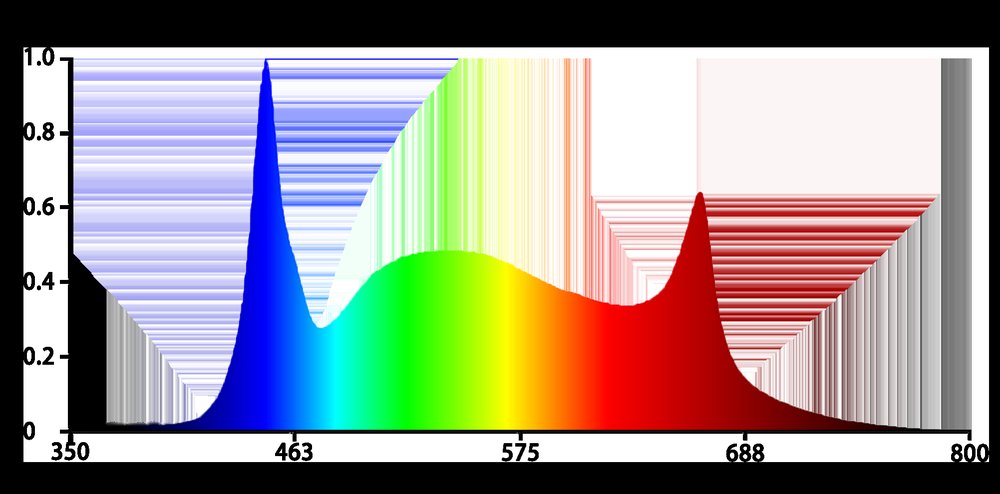
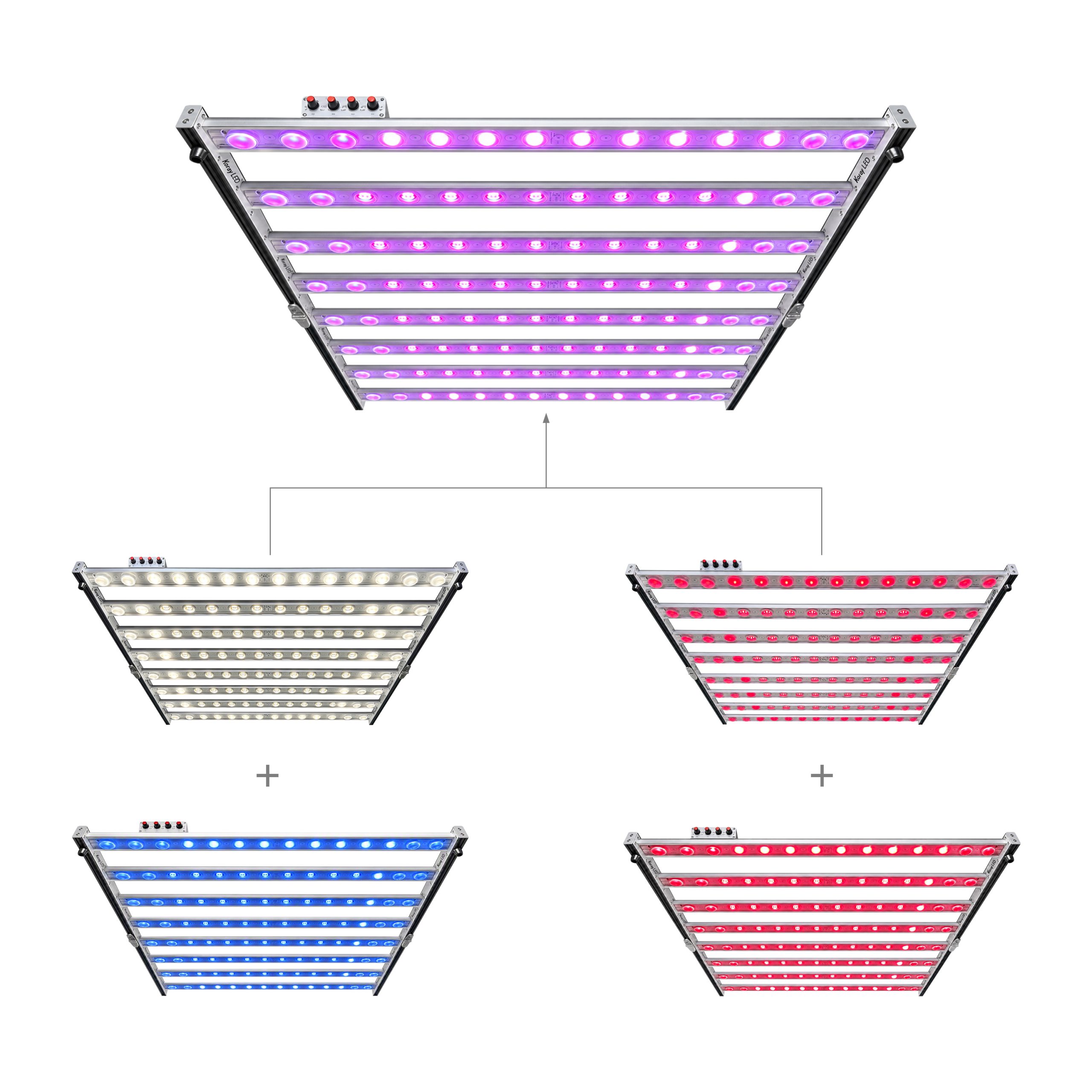
Beyond raw PPFD, the spectral composition of light significantly affects succulent growth and coloration. The Koray K6 spectrum (used in the GE35-120T-K6 and G138-K6C) features enhanced red wavelengths that promote compact internode spacing and stimulate anthocyanin production, resulting in vivid coloration. This multi-red spectrum is specifically designed for flowering plants, succulents, and even carnivorous plants like Venus flytraps.
For home growers who want their succulent displays to also look natural under ambient room lighting, the S91 spectrum (available on the PAR30Z-20W) provides warm white full-spectrum light with Ra95+ color rendering. This delivers excellent succulent coloration while blending seamlessly into a living room or office environment. The PAR30Z-20W’s zoomable lens lets you adjust the beam angle from narrow (focused intensity for a single specimen) to wide (broader coverage for a shelf of mixed plants).
Practical Setup Recommendations
For a standard 4-tier succulent rack with 0.3-meter spacing between shelves, using Koray GE35-120T-K6 bars on each shelf provides uniform PPFD of 500+ μmol/m²/s across the entire growing area. Each bar consumes only 80W while delivering 165 μmol/s total PPF, making the setup energy-efficient enough to run 12–14 hours daily without excessive electricity costs.
For smaller collections or desktop displays, a single Koray PAR30Z-20W in an E27 socket with an adjustable arm lamp provides targeted coverage. The zoomable lens lets you fine-tune the beam angle to match your exact setup dimensions, and the S91 spectrum ensures natural-looking color rendition.
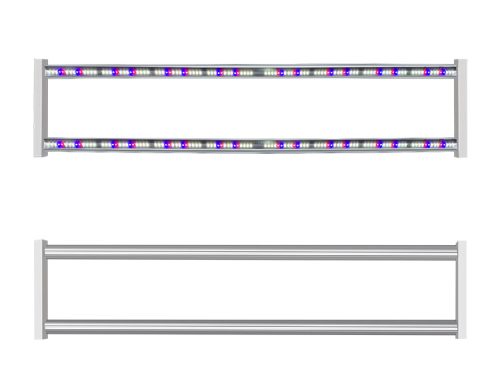
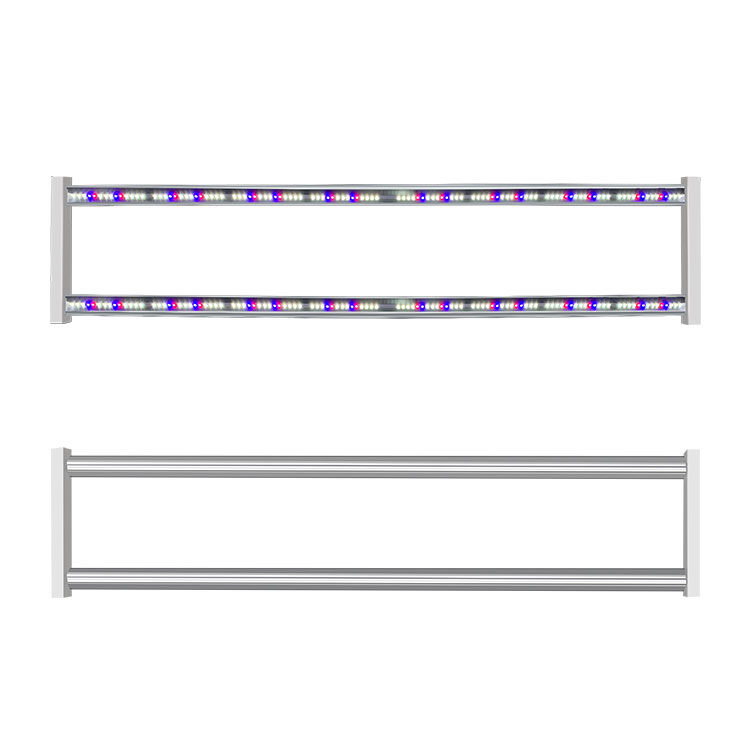
For commercial succulent nurseries growing hundreds of plants on multi-layer racks, the Koray G138 series with K6C spectrum offers a scalable solution. Available in 600mm, 900mm, and 1200mm lengths, these bars can be configured to match any shelf width, and the IP64 waterproof rating ensures reliable operation in humid greenhouse environments.
Measuring and Monitoring PPFD
While a PAR/quantum sensor is the gold standard for measuring PPFD, growers can also observe their succulents for visual cues. Compact, tight rosettes with vivid colors indicate adequate PPFD. Elongated stems, widely spaced leaves, and a return to all-green coloration signal that PPFD has dropped below the threshold. Adjust light height or add supplemental fixtures until the plants regain their compact form.
Remember that succulent PPFD needs also vary by season. During active growing periods (spring and fall), aim for the higher end of each species’ range. During winter dormancy, many succulents can tolerate slightly lower PPFD, but maintaining at least 300 μmol/m²/s will prevent etiolation even in dormant plants.
Key Takeaways for Succulent PPFD
Maintaining compact succulent growth indoors is fundamentally about delivering enough PPFD at the right spectrum. Low-light species need 200–400 μmol/m²/s, medium-light species need 400–600 μmol/m²/s, and high-light desert species need 600–800+ μmol/m²/s. The Koray GE35-120T-K6 with its dedicated K6 spectrum and 45-degree focusing lens is engineered specifically for these demanding light levels, while the PAR30Z-20W with S91 spectrum offers a flexible, affordable option for home growers. Measure your setup, observe your plants, and adjust accordingly — your succulents will reward you with tight, colorful, camera-worthy rosettes year-round.
By Koraylights|2026-09-29T01:04:46+00:00September 29th, 2026|Uncategorized|0 Comments





Leave A Comment