
What is the GK-200W Greenhouse Grow Light Designed For?
The GK-200W greenhouse grow light represents a specialized category of horticultural LED fixtures engineered for commercial-scale protected agriculture. Unlike compact tent lights or vertical farming bars, this 200-watt class fixture occupies a strategic middle ground—delivering sufficient photon output for meaningful crop supplementation while maintaining manageable thermal profiles and installation flexibility.
Primary Design Purpose: Greenhouse Supplemental Lighting
Greenhouse growers face a fundamental challenge: seasonal light limitation. At latitudes above 40°N, daily light integral (DLI) drops below 20 mol/m²/day from November through February, severely restricting photosynthesis in light-hungry crops like tomatoes and peppers. The GK-200W addresses this by providing targeted supplemental irradiance that bridges the gap between available sunlight and crop requirements.
For tomato production, research indicates optimal DLI ranges from 25-35 mol/m²/day during fruiting. When natural conditions provide only 10-15 mol/m²/day, supplemental lighting must contribute an additional 10-20 mol/m²/day. A single GK-200W fixture delivering approximately 540 μmol/s PPF (assuming 2.7 μmol/J efficacy) can meaningfully contribute to this target when deployed at appropriate density—typically one unit per 2-3 square meters depending on mounting height and desired uniformity.
Tall-Crop Top-Lighting Architecture

The GK-200W’s physical form factor suits top-lighting configurations for indeterminate crops that grow vertically throughout their production cycle. Tomatoes, cucumbers, and bell peppers can reach 3-4 meters in height within commercial greenhouse settings. The fixture’s wide beam angle (commonly 120° for greenhouse-optimized optics) ensures light penetrates deep into the canopy rather than creating intense hotspots at the top layer.
This contrasts with narrow-beam fixtures designed for low-ceiling vertical farms, where 60° or 90° optics concentrate photons onto shelves just 0.3-0.6 meters below the light source. Greenhouse top-lighting requires the opposite approach: broad, diffuse coverage that reaches lower leaves while avoiding photoinhibition at the canopy surface.
Koray Lighting’s secondary optical technology, featured in products like the G120N folding series and G80 commercial bar lights, demonstrates this principle effectively. By engineering lens systems that distribute photons uniformly across 1.5×1.5 meter areas at 0.5-meter mounting heights, Koray achieves PPFD uniformity ratios (U0) exceeding 0.7—meaning the minimum PPFD is at least 70% of the average. This same optical philosophy applies to greenhouse fixtures like the GK-200W, ensuring every leaf receives adequate irradiance without wasteful overlap or dangerous intensity peaks.
IP65 Environmental Protection for Humid Conditions
Greenhouses present harsh operating environments: relative humidity regularly exceeds 80%, condensation forms on structural elements overnight, and irrigation systems create constant moisture exposure. The GK-200W incorporates IP65-rated sealing, protecting internal LED arrays and drivers from water jets and dust ingress. This certification proves critical for long-term reliability—unsealed fixtures suffer accelerated corrosion, LED delamination, and driver failure within 12-18 months in greenhouse conditions.
Koray’s GE35 module series, rated IP64 for vertical farming applications, illustrates the company’s commitment to environmental protection. While GE35 targets controlled indoor environments with moderate humidity, greenhouse fixtures like the GK-200W require enhanced sealing (IP65 or higher) to withstand direct water spray during cleaning cycles and persistent condensation on glazing surfaces.
Energy Efficiency vs. Traditional HPS Systems

Historically, high-pressure sodium (HPS) lamps dominated greenhouse supplemental lighting due to their relatively low upfront cost and proven track record. However, HPS systems achieve only 1.5-1.8 μmol/J efficacy, meaning a 600W HPS fixture produces roughly 900-1080 μmol/s PPF while consuming significant electrical power and generating substantial waste heat.
Modern LED alternatives like the GK-200W class fixtures deliver 2.7-3.0 μmol/J efficacy, producing comparable or superior PPF (540-600 μmol/s) at less than half the wattage. This translates to direct electricity savings of 50-60% per fixture. For a 1-hectare greenhouse requiring 200 supplemental fixtures, annual energy costs drop from approximately $35,000 (HPS at $0.12/kWh, 16 hours/day, 180 days/year) to $14,000 (LED), yielding $21,000 in operational savings. With typical LED lifespans of 50,000 hours (L70 rating), payback periods range from 2-4 years depending on local electricity rates and usage patterns.
Spectral Optimization for Fruiting Crops
The GK-200W typically employs full-spectrum white LED packages augmented with specific red and far-red channels. This spectral strategy differs from purple “blurple” LEDs popular in early horticultural lighting. Full-spectrum designs approximate natural sunlight (400-700nm PAR range) while boosting wavelengths most efficient for photosynthesis:
- Blue (400-500nm): Promotes compact growth, stomatal opening, and secondary metabolite production
- Red (600-700nm): Drives maximum photosynthetic efficiency per McCree curve data
- Far-red (700-750nm): Influences phytochrome responses, shade avoidance, and flowering initiation
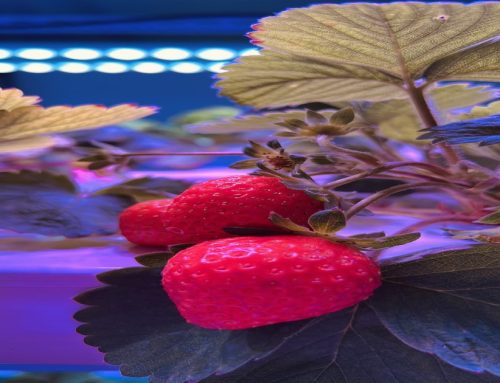
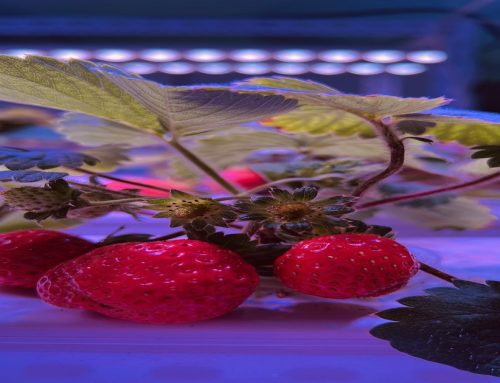
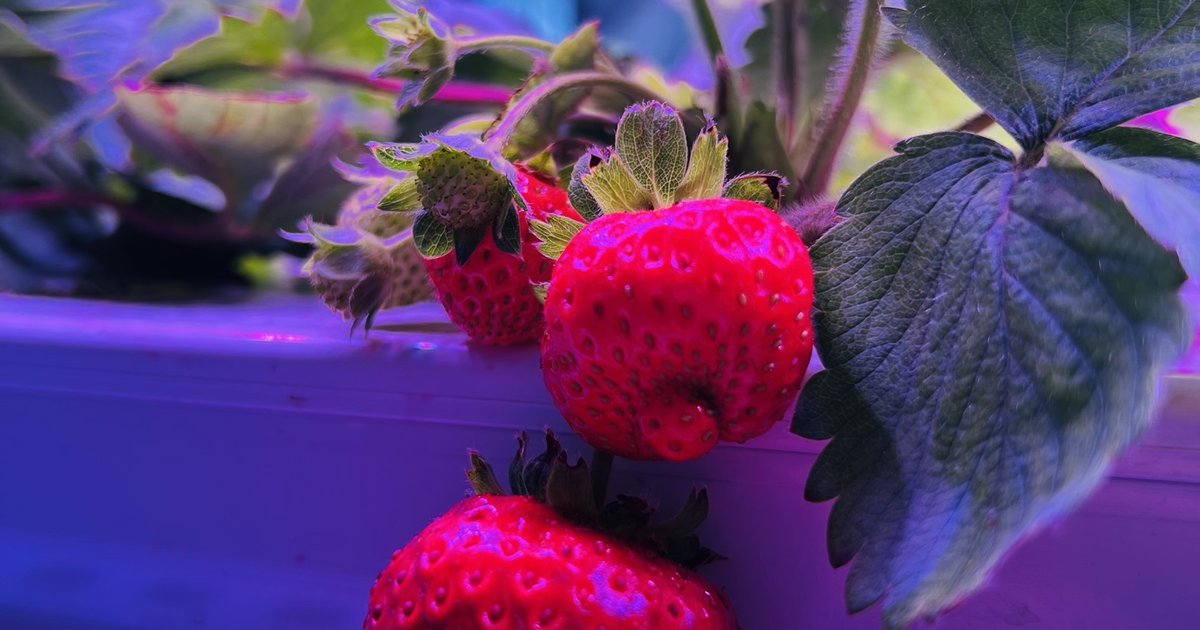
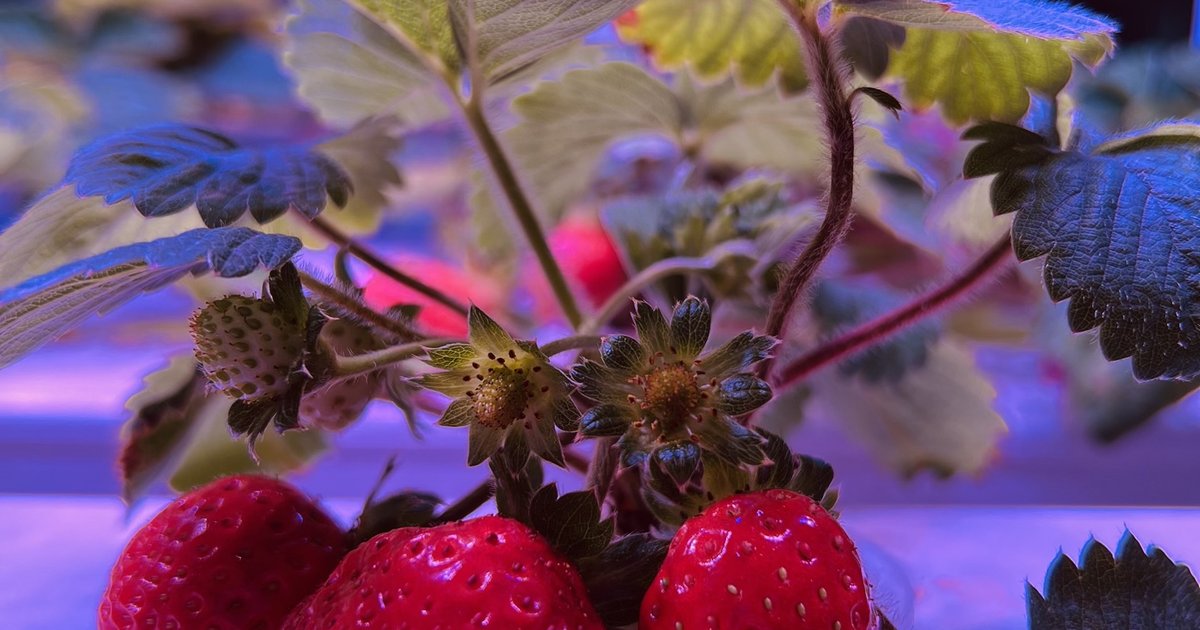
Koray’s spectrum coding system includes options like F175 (general-purpose full spectrum for strawberries and vegetables) and K6C (multi-red enhanced for flowers and ornamentals). Greenhouse growers selecting GK-200W fixtures should specify spectra aligned with their target crops—tomatoes benefit from balanced red-blue ratios with modest far-red supplementation, while ornamental crops may require elevated red fractions to enhance coloration and compactness.
Installation Flexibility and Control Integration
The GK-200W supports multiple mounting configurations: pendant suspension from greenhouse trusses, rigid conduit attachment to lateral support beams, or mobile trolley systems that allow repositioning as crops develop. Standard M8 or M10 hanging points accommodate common greenhouse hardware, while integrated junction boxes enable straightforward electrical connections.
Dimming capability proves essential for greenhouse applications. Unlike indoor grows with fixed photoperiods, greenhouse lighting must respond to dynamic natural conditions. Cloudy mornings may require 100% output, while bright afternoons need only 30-50% supplementation. The GK-200W typically supports 0-10V analog dimming or PWM (pulse-width modulation) control, allowing integration with environmental computers like Priva, Hoogendoorn, or Argus. Advanced models offer compatibility with Koray’s HortiGuru APP ecosystem, enabling remote monitoring and automated light recipes based on crop stage and weather forecasts.
Conclusion
The GK-200W greenhouse grow light serves a specific and vital role in modern protected agriculture: delivering efficient, uniform, and environmentally resilient supplemental illumination for commercial-scale fruiting crops. By combining high-efficacy LED technology with purpose-built optical systems and robust IP65 protection, this fixture class enables year-round production regardless of seasonal light limitations. For growers transitioning from HPS systems or expanding greenhouse capacity, understanding the GK-200W’s design parameters ensures optimal deployment and maximum return on investment.
For detailed specifications on Koray’s greenhouse lighting solutions, including the G120N folding series and customizable spectrum options, visit www.koraylights.com or contact our technical sales team for project-specific recommendations.

Leave A Comment