
When selecting LED grow lights for commercial horticulture, understanding the spectrum options available is just as important as choosing the right wattage or form factor. One question that frequently comes up among professional growers is: what is the F26 spectrum on the G138 designed for? In this article, we break down the science behind this specialized spectrum, the G138 series platform it belongs to, and how Koray Lighting engineers its LEDs to deliver precise photobiological outcomes.
What Is the G138 Series?
The G138 is a high-performance LED grow bar series developed by Koray Lighting, a leading manufacturer based in Zhongshan, Guangdong, with over 17 years of experience in horticultural lighting and more than 200 patents in the field. The G138 series comes in three form factors to accommodate different shelf widths and growing configurations:
The G138-60 is a compact 600mm bar drawing moderate power, ideal for narrow shelves and seedling propagation racks. The G138-90 steps up to a 900mm form factor with increased photon output, suitable for standard-width vertical farming shelves. The G138-120 is the flagship 1200mm model, delivering the highest PPFD and designed for full-scale commercial production. All three models share the same slim 38x40mm cross-section, making them easy to integrate into multi-layer rack systems.

Understanding the F26 Spectrum
The F26 is a custom-engineered full-spectrum LED recipe developed by Koray’s optical team specifically for the G138 platform. Like Koray’s other well-known spectrum codes — such as the F175 for general-purpose crop growth, the K6C for flowering and ornamental plants, and the V6 for maximum efficiency — the F26 represents a carefully balanced combination of phosphor-converted white LEDs supplemented with targeted wavelength bands.
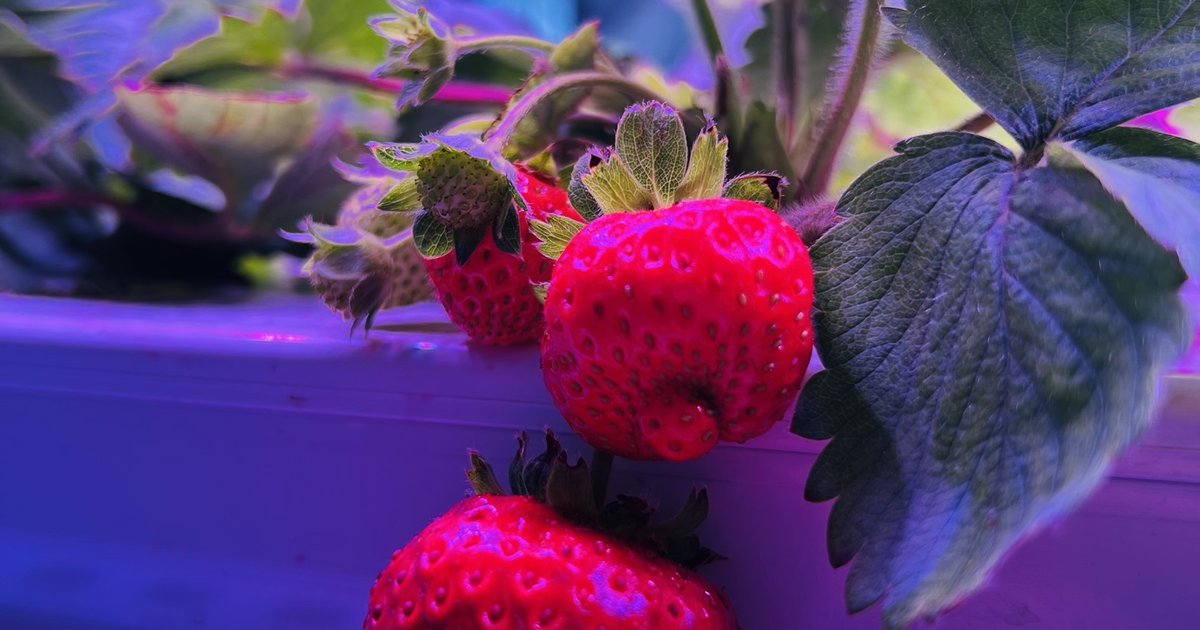
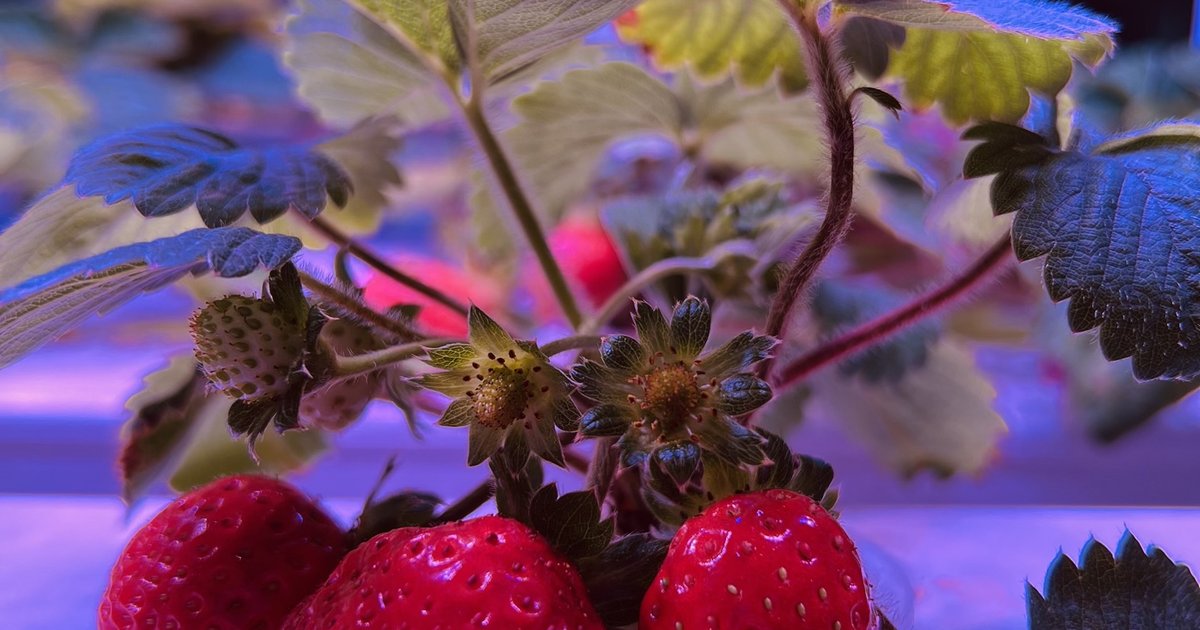
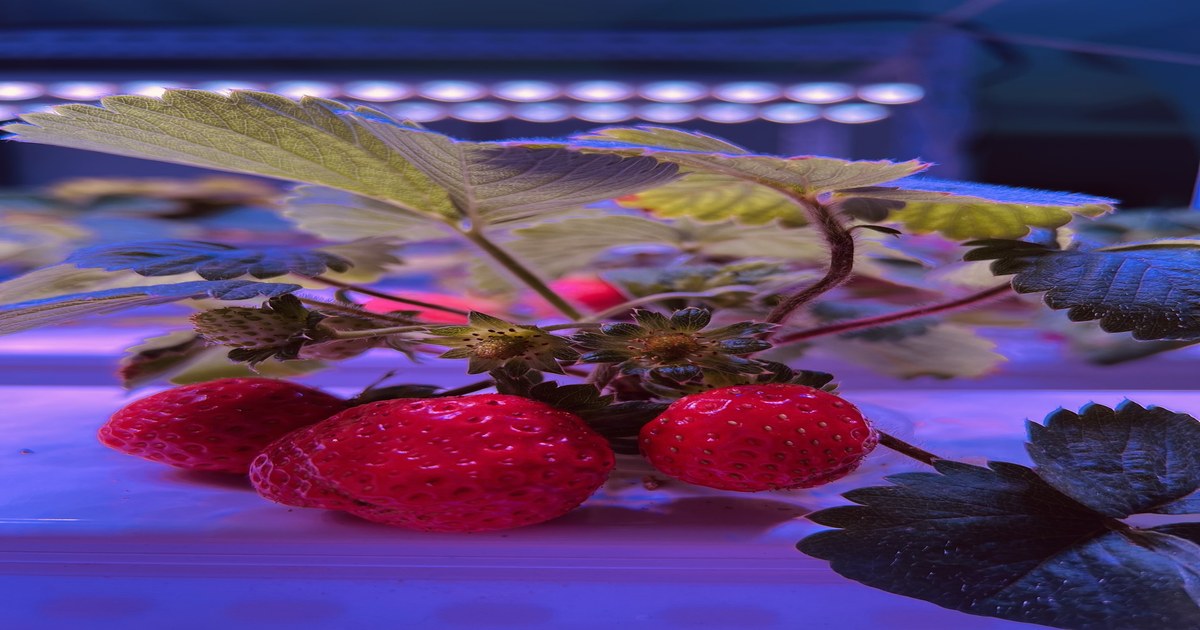
The F26 spectrum is designed primarily for fruiting and flowering crops that benefit from enhanced red and far-red radiation during their reproductive growth phases. It delivers a broad photosynthetic photon flux across the 400–700nm PAR range while boosting output in the 600–700nm region where phytochrome photoreceptors are most active. This makes it particularly effective for crops like tomatoes, peppers, and strawberries that require high daily light integrals (DLI) and specific spectral triggers to initiate and sustain flowering.
How the F26 Compares to Other G138 Spectra
To understand where the F26 fits, it helps to compare it with other spectrum options available on the G138:
The K6C spectrum emphasizes deep red and is optimized for compact growth of succulents, ornamental flowering plants, and carnivorous species like Venus flytraps. It produces visually striking coloration but may not deliver the broadest PAR coverage for food crops.
The F175 spectrum is Koray’s workhorse full-spectrum recipe, suitable for leafy greens, herbs, lettuce, and most vegetables. It provides balanced output across the entire PAR range and is the go-to choice for multi-crop facilities that grow a wide variety of plants.
The V6 spectrum prioritizes photosynthetic photon efficacy (PPE), achieving up to 3.5 μmol/J. It is designed for growers who want maximum photon output per watt, particularly in large-scale operations where electricity costs are a primary concern.
The F26 sits between the F175 and K6C in terms of spectral emphasis. It provides broader coverage than the K6C while delivering more red-region photons than the F175, making it an excellent choice for growers who need a spectrum tuned for fruiting crops without sacrificing too much overall efficacy.

PPFD Performance of the G138-120 with F26
The G138-120 model equipped with the F26 spectrum delivers impressive PPFD values at typical growing distances. At 0.2 meters, growers can expect center PPFD readings in the range of 500–700 μmol/m²/s depending on the specific power configuration. At 0.3 meters — a common hanging height for vertical farm shelves — the PPFD remains well above 350 μmol/m²/s across the central coverage area.
These numbers are achieved through Koray’s proprietary secondary optical system, which uses custom-designed lenses to distribute photons evenly across the growing area without the intense center hotspot that plagues many competing products. This means plants at the edges of the coverage area receive nearly the same PPFD as those in the center, resulting in more uniform growth across the entire shelf.
Who Should Use the F26 Spectrum?
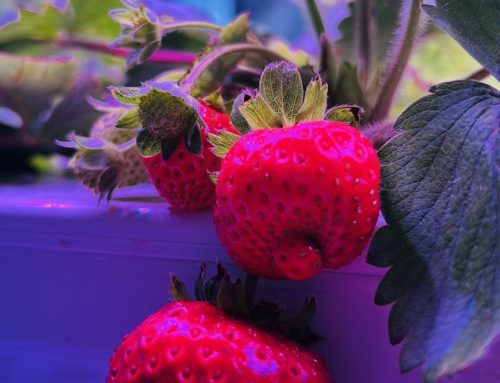
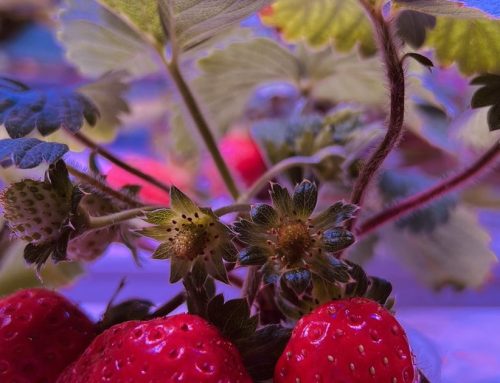
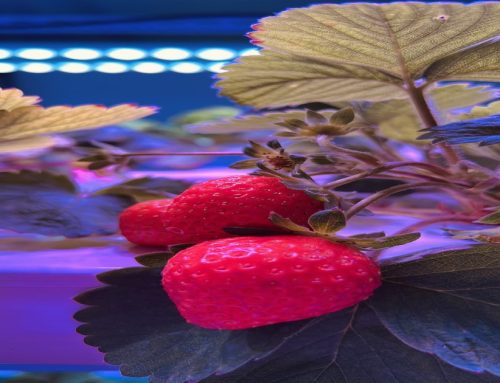
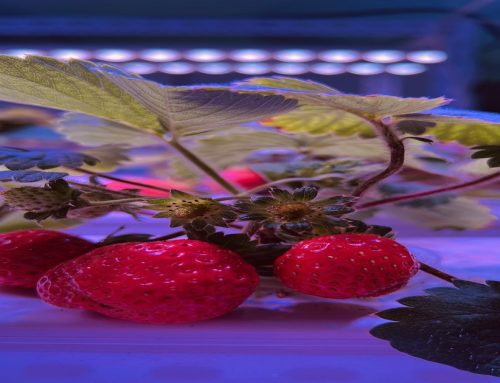
The F26 spectrum on the G138 is ideal for several growing scenarios. Commercial strawberry farms using vertical racks benefit from the enhanced red output, which promotes flowering and fruit set. Greenhouse operators growing tomatoes or peppers under supplemental lighting can use the F26 to boost fruit production during low-light seasons. Research facilities conducting photobiology experiments appreciate the F26 for its well-documented spectral power distribution, which allows for reproducible results across trials.
For growers who operate multi-crop facilities and need a single spectrum that performs well across both leafy greens and fruiting crops, the F26 offers a versatile middle ground. It may not be the absolute best spectrum for any single crop category, but its flexibility makes it a practical choice for operations that value simplicity and consistency.
Key Technical Specifications
The G138 series with F26 spectrum features an IP64 waterproof rating for use in humid growing environments, AC120–277V input compatibility for global installations, and a power factor greater than 0.9 to minimize electrical waste. The LEDs are rated for 50,000 hours of operation (L70), and the series carries CE, RoHS, and FCC certifications for international compliance.
As with all Koray Lighting products, the G138 with F26 spectrum is backed by the company’s commitment to quality and innovation. Koray’s 2,800 square meter testing facility ensures every batch of LEDs is rigorously tested for spectral accuracy, photon output, and long-term reliability before shipping to customers in over 60 countries worldwide.




Leave A Comment