
What Is the Difference Between GK-200W-F175 and GK-200W-K6? A Detailed Spectrum Comparison
If you are shopping for a Koray GK-200W greenhouse grow light, you have probably noticed that it comes in multiple spectrum variants — most commonly the F175 and the K6. While both use the same 200W fixture platform, the light they produce is fundamentally different, and choosing the right spectrum can make or break your crop results. In this guide, we explain exactly what sets these two spectra apart and help you pick the right one for your growing goals.

Understanding the F175 Spectrum
The F175 spectrum is Koray Lighting’s general-purpose full-spectrum formulation. It is designed to provide balanced photosynthetic output across the entire 400–700nm PAR (Photosynthetically Active Radiation) range. The spectral curve shows a strong blue peak around 450nm and a broad red peak centered near 630–660nm, with a smooth continuum of green and yellow wavelengths in between.
This balanced approach means the F175 spectrum supports all growth stages — from seedling germination through vegetative development to flowering and fruiting. It produces a white light that is visually pleasant, making it suitable for greenhouse environments where workers spend extended periods. The F175 spectrum is particularly well-suited for:
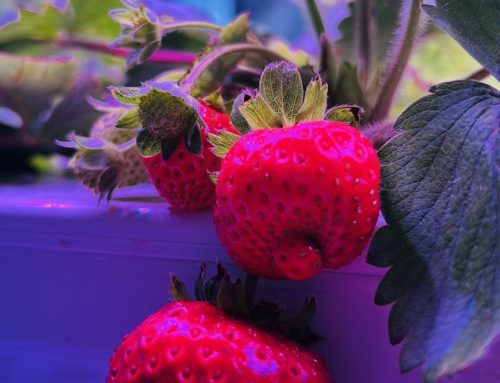
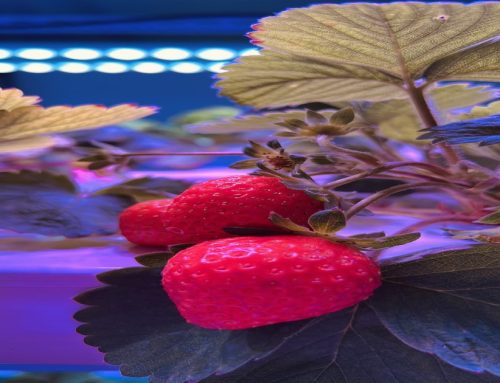
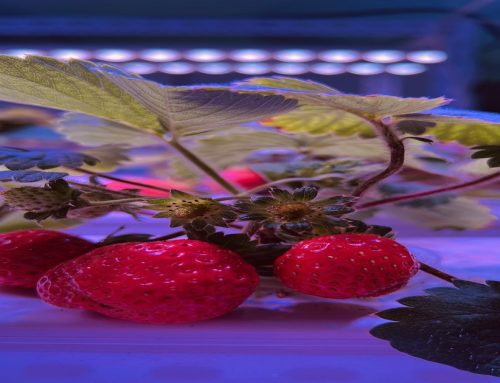
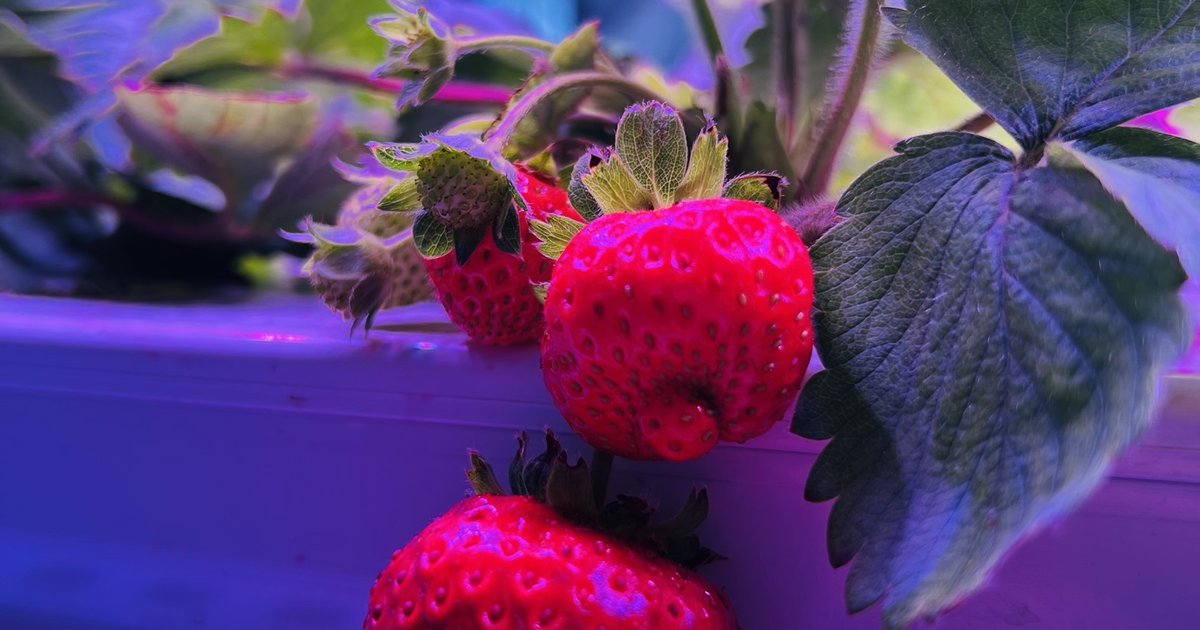
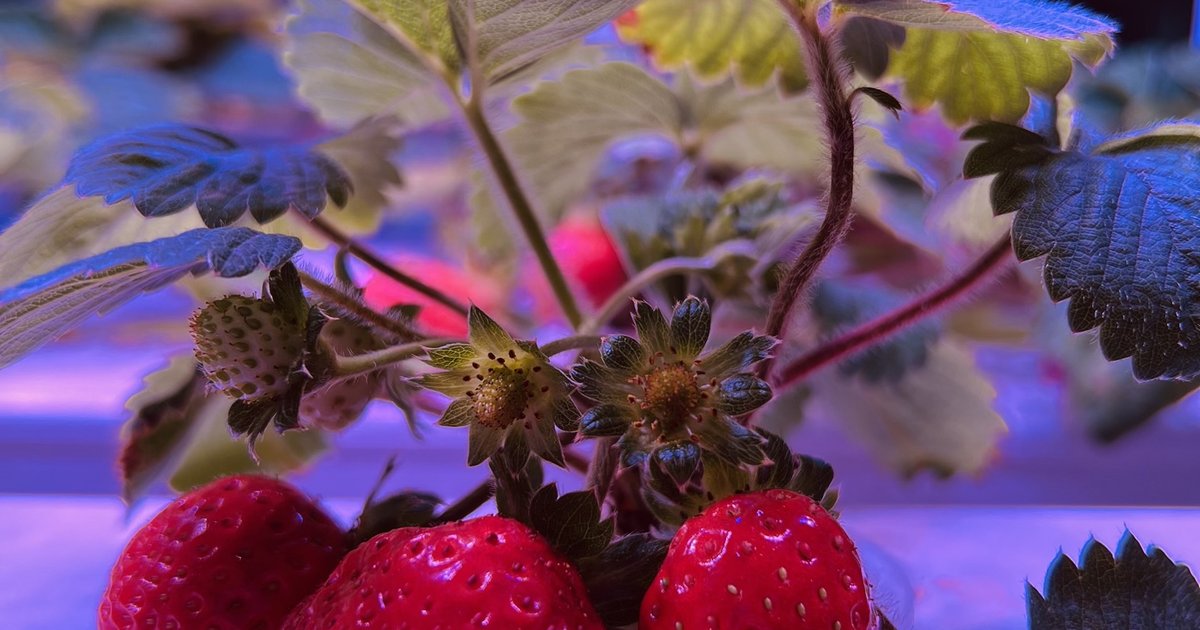
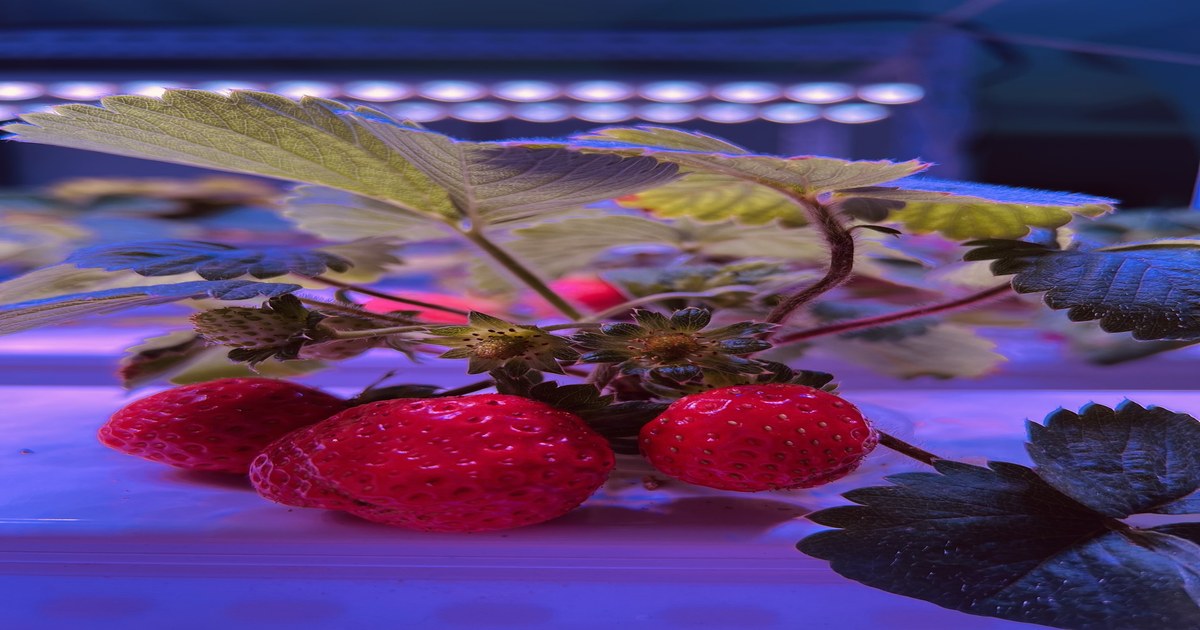
Vegetables such as tomatoes, peppers, and cucumbers benefit from the balanced red-to-blue ratio, which promotes compact growth and consistent fruiting. Strawberries respond well to the full-spectrum output, producing sweeter fruit with higher Brix levels. Leafy greens like lettuce, basil, and kale thrive under F175, developing healthy leaf structure without excessive stretching. Microgreens and herbs also perform excellently under this spectrum.

Understanding the K6 Spectrum
The K6 spectrum takes a different approach. It emphasizes red and deep-red wavelengths while still providing adequate blue light for photosynthesis. The spectral curve shows a pronounced peak in the 630–660nm range, with additional output in the far-red region (700–750nm). This red-dominant profile triggers specific photomorphogenic responses in plants, particularly flowering and fruiting signals mediated by the phytochrome system (Pfr/Pr ratio).
The K6 spectrum is specifically engineered for crops where flowering, fruiting, or coloration is the primary goal. It excels with:
Flowering ornamentals such as roses, orchids, and chrysanthemums respond vigorously to the enhanced red output, producing more blooms and richer colors. Succulents and cacti develop intense stress coloration — reds, purples, and oranges — under the K6 spectrum. Berry crops like strawberries show accelerated flowering and slightly faster fruit ripening. Medicinal and aromatic plants that produce secondary metabolites (terpenes, essential oils) often show increased concentrations under red-dominant spectra.

Side-by-Side Comparison
Both the GK-200W-F175 and GK-200W-K6 share the same physical fixture: 200W power consumption, IP65 waterproof rating, the same form factor, and the same mounting options. The key differences lie in their spectral output and resulting plant responses.
In terms of PPF output, both variants deliver similar total photon flux (approximately 540 μmol/s), so the total number of photosynthetically active photons is comparable. However, the quality of those photons differs. The F175 distributes energy more evenly across the spectrum, while the K6 concentrates more energy in the red region.
For visual appearance, the F175 produces a warm white light similar to natural sunlight, while the K6 has a more pinkish-purple hue due to its red-dominant output. In a commercial greenhouse where worker comfort matters, the F175 is generally preferred. In a dedicated flowering room or ornamental greenhouse, the K6’s color is less of a concern.
For energy efficiency, both spectra achieve similar efficacy ratings (around 2.7 μmol/J), so there is no significant difference in electricity cost per μmol of PAR output.
Which Should You Choose?
The choice between GK-200W-F175 and GK-200W-K6 ultimately depends on your crop and your goals. If you are growing a mix of vegetables, herbs, and leafy greens, or if you want a single spectrum that handles everything from seedling to harvest, the F175 is the clear winner. It is the most versatile spectrum in Koray’s lineup and the safest choice for growers who are uncertain about their crop mix.
If your focus is on flowering crops, ornamental plants, succulents, or berries, the K6 spectrum provides targeted spectral benefits that can improve flower count, fruit ripening speed, and coloration intensity. Many commercial flower growers use K6 exclusively during the generative (flowering) phase to maximize bloom quality.
Some advanced growers use both spectra in combination — F175 during the vegetative phase and K6 during flowering — to take advantage of each spectrum’s strengths at the right growth stage. This approach requires either separate fixtures or a tunable spectrum system, but the results can be impressive.
Conclusion
The GK-200W-F175 and GK-200W-K6 are not competing products — they are complementary tools in a grower’s lighting strategy. The F175 offers balanced, full-cycle performance for vegetables and general-purpose growing. The K6 delivers enhanced red output for flowering, fruiting, and coloration. Both are built on Koray Lighting’s proven GK-200W platform with IP65 protection, high efficacy, and the durability expected from a company with over 200 patents in LED lighting technology.
Visit www.koraylights.com to explore the full GK-200W product line and find the right spectrum for your operation.





Leave A Comment