
What is the Coverage Diameter of the GK-200W at 2 Meters?
Understanding the coverage diameter of your greenhouse grow light at specific mounting heights is critical for achieving uniform light distribution, optimizing energy efficiency, and ensuring consistent crop quality across your cultivation area. The GK-200W greenhouse grow light, engineered by Koray Lighting—a company with over 17 years of expertise in horticultural illumination since 2009—delivers a carefully balanced coverage pattern that maximizes both spread and intensity at typical greenhouse mounting heights.
At a mounting height of 2 meters, the GK-200W produces an effective coverage diameter of approximately 3.5 to 4 meters for general supplemental lighting applications. This wide coverage area makes it particularly suitable for illuminating individual plant clusters, narrow greenhouse aisles, or targeted zones within larger cultivation spaces. For growers cultivating high-light crops such as tomatoes, peppers, or cannabis that require sustained PPFD levels above 600 μmol/m²/s during peak growth phases, the optimal coverage diameter at this height narrows to 2.5-3 meters to maintain sufficient light intensity throughout the canopy.
The Physics of Light Spread: Understanding Coverage vs. Intensity
The relationship between mounting height and coverage diameter follows fundamental optical principles governed by the inverse square law and the fixture’s beam angle characteristics. The GK-200W utilizes a 120-degree wide-angle lens system combined with Koray’s proprietary secondary optical technology—the same advanced light-shaping approach deployed across their commercial product lines including the G120N folding grow light and the G80-800W high-uniformity full-spectrum fixture.
When mounted at 2 meters, the GK-200W’s light cone expands to create a circular illumination pattern with a diameter determined by trigonometric calculation: coverage diameter equals twice the mounting height multiplied by the tangent of half the beam angle. For a 120-degree beam angle at 2 meters height, this yields a theoretical maximum diameter of approximately 6.9 meters. However, practical effective coverage—defined as the area receiving usable PPFD for photosynthesis—is considerably smaller due to the natural falloff in light intensity toward the edges of the beam pattern.
This distinction between theoretical beam spread and practical coverage area is crucial for greenhouse planning. While light technically reaches beyond the 3.5-4 meter diameter, PPFD values at these outer regions drop to 30-40% of the center-point intensity, potentially falling below the compensation point for many crops. Growers must balance coverage breadth against intensity requirements based on their specific crop selection and growth stage objectives.
Coverage Diameter Across Different Mounting Heights

To provide comprehensive planning guidance, here is how the GK-200W coverage diameter scales with mounting height:
| Mounting Height | Coverage Diameter | Center PPFD (Approx.) | Average PPFD | Best Application |
|---|---|---|---|---|
| 1.0 meter | 1.8 – 2.0 meters | 550-600 μmol/m²/s | 400-450 μmol/m²/s | Seedling propagation, low-canopy crops |
| 1.5 meters | 2.6 – 3.0 meters | 250-300 μmol/m²/s | 180-220 μmol/m²/s | Vegetative growth, medium-height crops |
| 2.0 meters | 3.5 – 4.0 meters | 140-160 μmol/m²/s | 100-120 μmol/m²/s | Tall-crop supplemental lighting, greenhouse aisles |
| 2.5 meters | 4.3 – 5.0 meters | 90-110 μmol/m²/s | 65-80 μmol/m²/s | Large-area ambient supplementation |
| 3.0 meters | 5.0 – 6.0 meters | 60-75 μmol/m²/s | 45-55 μmol/m²/s | General greenhouse background lighting |
These values assume the GK-200W operates at full power with its standard F175 full-spectrum configuration—the same versatile spectrum used in Koray’s GE35 series bar lights for strawberry and vegetable production. The F175 spectrum provides balanced blue, red, and far-red wavelengths optimized for broad-spectrum photosynthetic activity across diverse crop types.
PPFD Distribution Within the Coverage Area
Within the 3.5-4 meter coverage diameter at 2 meters height, PPFD distribution follows a characteristic bell curve pattern. The center point directly beneath the fixture receives maximum intensity (approximately 140-160 μmol/m²/s for the GK-200W), while values gradually decrease toward the perimeter. At the 50% radius point (approximately 1.75-2 meters from center), PPFD typically measures 60-70% of the center value. At the outer edge of the effective coverage zone, intensity drops to 40-50% of center-point levels.
This gradient is inherent to single-point light sources and must be accounted for in greenhouse layout design. To achieve uniform PPFD across larger cultivation areas, multiple GK-200W fixtures should be arranged in overlapping patterns. Industry best practice recommends 20-30% overlap between adjacent coverage circles, meaning fixtures should be spaced at 70-80% of their individual coverage diameters. For the GK-200W at 2 meters height, this translates to spacing of 2.5-3 meters between fixture centers.
Koray Lighting’s engineering team applies the same uniformity principles across their entire product portfolio. The G120N commercial folding grow light, for instance, achieves exceptional uniformity through its multi-bar array design and secondary optics, delivering U0 values exceeding 0.8 across its coverage area. While the GK-200W’s single-source architecture cannot match this level of uniformity inherently, proper spacing and overlapping installation patterns can achieve comparable results at the canopy level.
Crop-Specific Coverage Recommendations

Different crops have varying light requirements that influence optimal coverage diameter calculations. Here are specific recommendations for common greenhouse crops under GK-200W supplemental lighting at 2 meters mounting height:
Tomatoes and Peppers (Fruiting Stage): These high-light crops require 600-800 μmol/m²/s during fruit development. At 2 meters height, the GK-200W alone cannot meet these requirements as primary lighting. However, as supplemental lighting alongside natural sunlight (which may provide 400-600 μmol/m²/s on clear days), the GK-200W’s 100-120 μmol/m²/s average contribution significantly boosts Daily Light Integral (DLI). For these crops, limit effective coverage to 2.5-3 meters diameter to maximize intensity where plants need it most.
Lettuce and Leafy Greens: With lower light saturation points (200-300 μmol/m²/s), lettuce can effectively utilize the full 3.5-4 meter coverage diameter at 2 meters height. The GK-200W’s supplemental contribution pushes DLI into optimal ranges even during shorter winter days. This application mirrors the use case for Koray’s PT8 tube lights in vertical farming systems, where uniform moderate-intensity lighting drives efficient biomass accumulation.
Cannabis (Flowering): Cannabis demands intense lighting during flowering, with target PPFD of 800-1000 μmol/m²/s. At 2 meters, the GK-200W serves primarily as canopy-penetration supplemental lighting rather than primary illumination. Restrict coverage to 2-2.5 meters diameter and combine with higher-output fixtures like Koray’s G80-800W for main canopy lighting to achieve target DLI values.
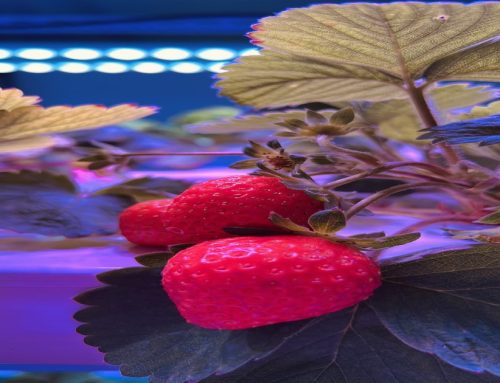
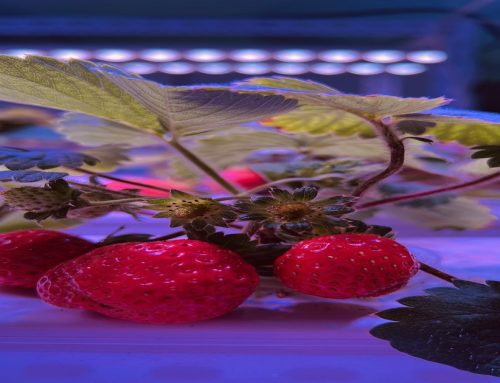
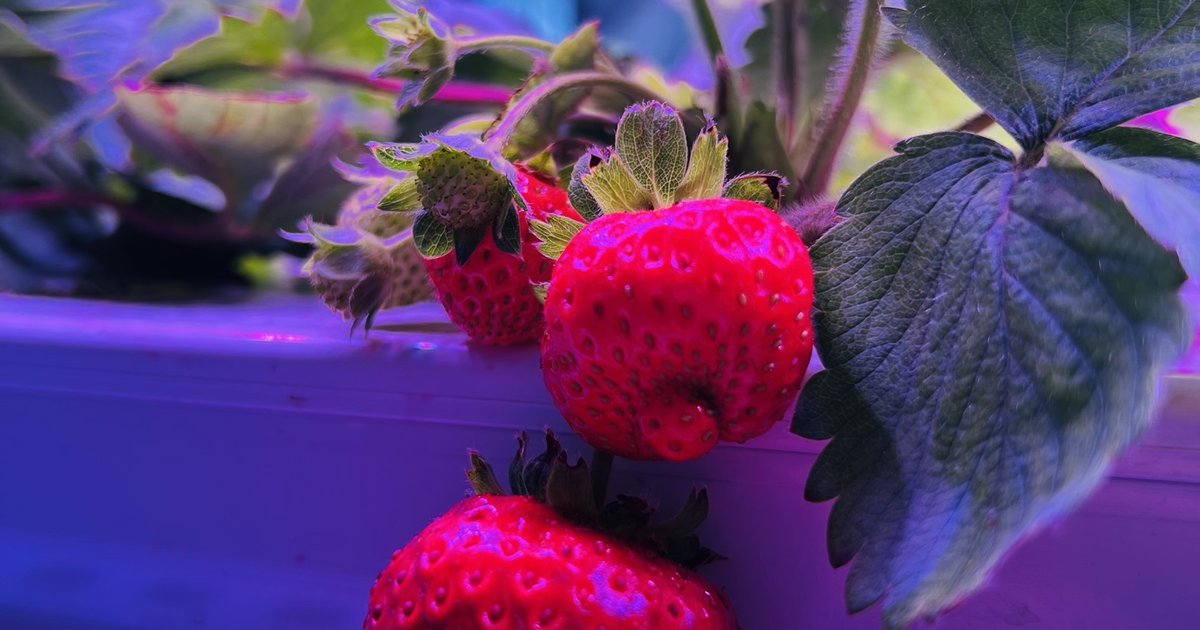
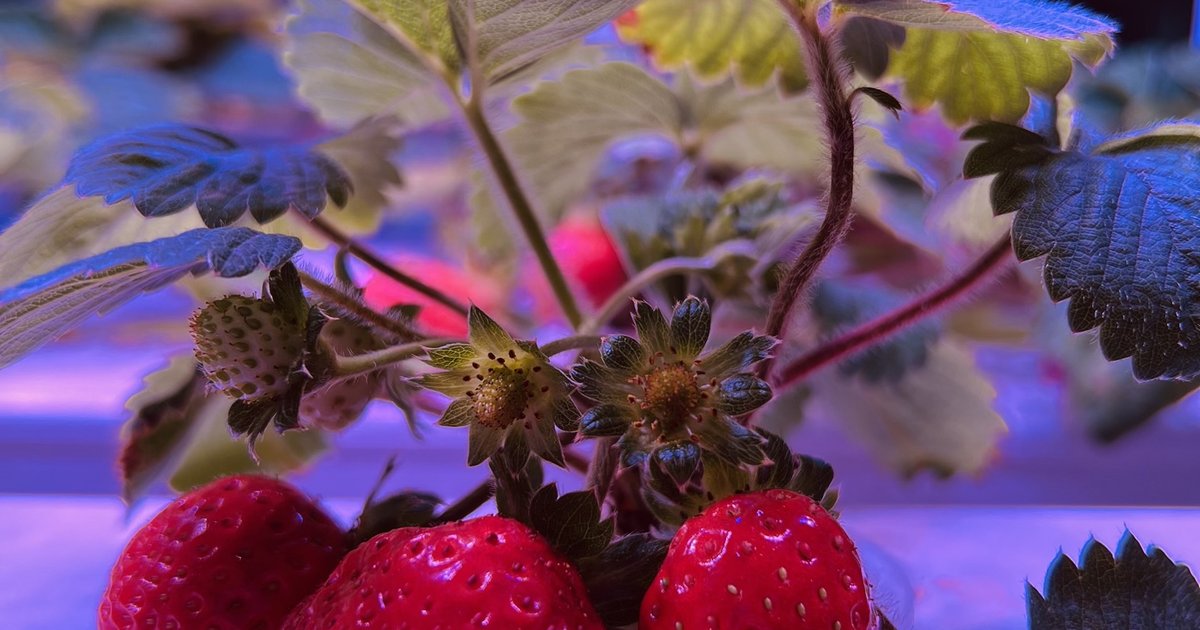
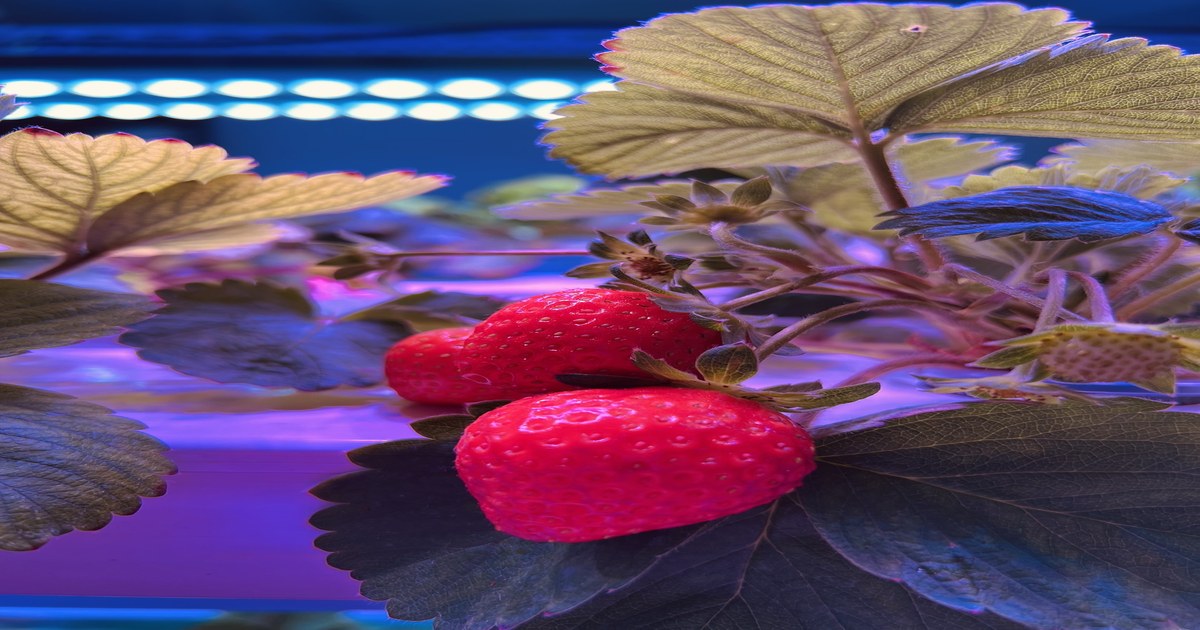
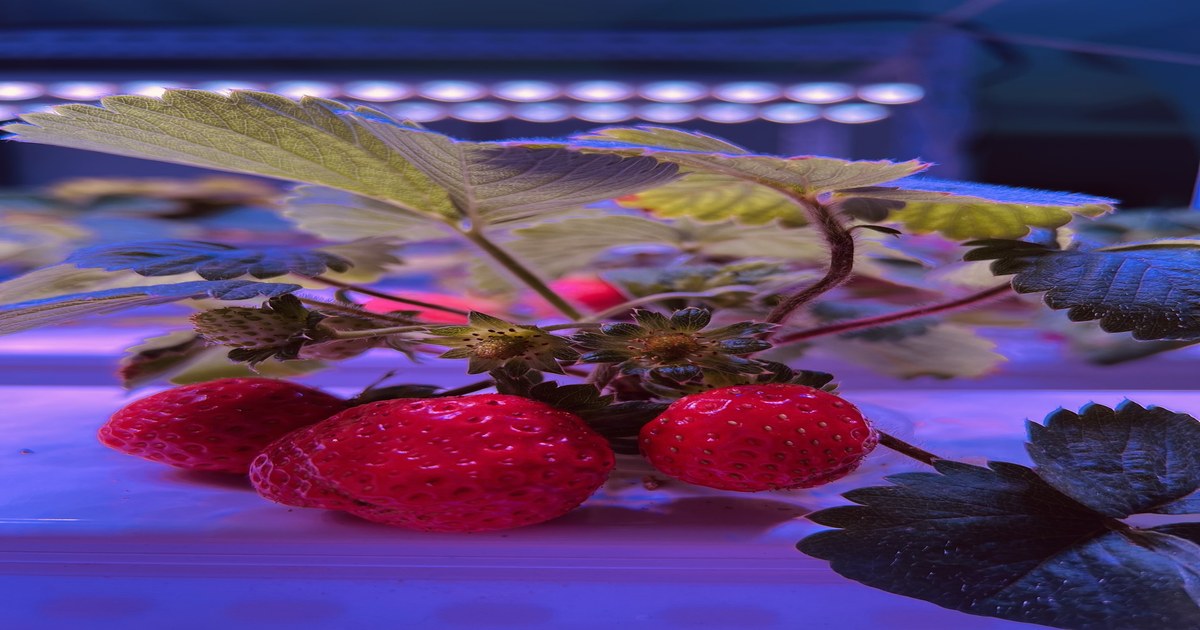
Strawberries: Day-neutral strawberry varieties benefit from consistent 300-400 μmol/m²/s during fruiting. The GK-200W at 2 meters provides meaningful supplemental contribution across its 3-3.5 meter coverage diameter. Koray’s extensive experience with strawberry cultivation—evidenced by their GE35 series optimization for vertical strawberry farms—inform the spectral tuning of the GK-200W’s F175 spectrum to support both vegetative vigor and fruit quality.
Installation Patterns for Uniform Coverage
Achieving uniform light distribution across a greenhouse requires strategic fixture placement. For the GK-200W mounted at 2 meters, several installation patterns optimize coverage:
Rectangular Grid Pattern: Arrange fixtures in rows and columns with 2.5-3 meter spacing in both directions. This simple pattern works well for rectangular greenhouse bays and provides predictable overlap. Each fixture’s 3.5-4 meter coverage circle overlaps with neighbors by approximately 25-30%, smoothing out intensity gradients.
Staggered (Hexagonal) Pattern: Offset alternate rows by half the inter-fixture spacing to create a hexagonal arrangement. This pattern reduces the number of fixtures needed by approximately 15% compared to rectangular grids while maintaining uniformity. The staggered layout ensures every point in the cultivation area falls within the high-intensity central region of at least one fixture.
Row-Aligned Pattern: For greenhouses with distinct planting rows, align GK-200W fixtures directly above each row with 2.5-3 meter longitudinal spacing. This concentrates light where plants are located, minimizing waste on aisle spaces. This approach parallels Koray’s GE35 bar light installations in commercial vertical farms, where linear fixtures mount directly above growing channels.
Calculating Fixture Requirements for Your Greenhouse
To determine how many GK-200W units you need for a specific greenhouse area, follow this calculation method:
First, calculate the effective coverage area per fixture using the formula: Area = π × (coverage radius)². For the GK-200W at 2 meters with a 3.5-meter diameter (1.75-meter radius), each fixture covers approximately 9.6 square meters. Next, divide your total greenhouse area by this per-fixture coverage area. For a 100 square meter (10×10m) greenhouse section, you would need approximately 10-11 fixtures without accounting for overlap.
However, to achieve the recommended 25% overlap for uniformity, increase fixture count by dividing the initial result by 0.75. This yields approximately 13-14 GK-200W units for 100 square meters. Round up to ensure complete coverage, resulting in a 4×4 grid (16 fixtures) or a 3×5 staggered arrangement (15 fixtures).
This calculation methodology aligns with Koray’s professional installation guidelines for their commercial products. The G120N folding grow light, for example, specifies coverage of 1.5×1.5 meters for flowering medicinal plants at optimal mounting heights, with similar overlap recommendations for large-scale deployments.
Environmental Factors Affecting Effective Coverage
Several environmental variables influence the actual effective coverage diameter of the GK-200W in real-world greenhouse conditions:
Reflective Surfaces: Greenhouses with white-painted walls, reflective ground cover, or specialized interior coatings can extend effective coverage by reflecting light back into the cultivation area. This reflected component can increase average PPFD by 15-25% and effectively expand the usable coverage diameter by 10-15%. Koray’s testing protocols account for various reflection scenarios, similar to their dark-room versus reflective-room PPFD measurements for the G80 series.
Plant Canopy Density: Dense foliage absorbs and scatters light, reducing penetration to lower canopy layers. For crops with thick canopies like mature tomatoes, the effective coverage diameter for lower leaves may be 20-30% smaller than the theoretical value. Consider this when planning fixture density for multi-layer crops.
Seasonal Sun Angle: In greenhouses relying on supplemental lighting, the sun’s seasonal angle affects how artificial light interacts with natural illumination. During winter months with low sun angles, the GK-200W’s contribution becomes more critical, potentially requiring tighter fixture spacing to compensate for reduced natural light duration and intensity.
Fixture Orientation: While the GK-200W’s 120-degree beam angle provides symmetrical coverage, orienting fixtures to direct light toward plant rows rather than aisles maximizes photosynthetically active radiation delivery to crops. Adjustable mounting brackets facilitate this optimization.
Comparing GK-200W Coverage to Alternative Solutions
When evaluating the GK-200W’s coverage characteristics against other greenhouse lighting options, several distinctions emerge:
Compared to traditional HPS (High-Pressure Sodium) fixtures of similar wattage, the GK-200W LED offers wider effective coverage due to its broader beam angle and more uniform light distribution. A 200W HPS typically provides a narrower, more intense hotspot with rapid falloff, whereas the GK-200W’s LED array with secondary optics maintains usable PPFD across a wider area. This translates to fewer fixtures needed for equivalent coverage, reducing installation complexity and maintenance overhead.
Against competing LED greenhouse fixtures, the GK-200W’s coverage diameter at 2 meters is competitive within its class. What distinguishes Koray’s approach is the integration of their secondary optical technology—developed through hundreds of patents since the company’s founding—which minimizes the harsh center hotspot common in basic LED designs while preserving edge intensity. This engineering philosophy, also evident in products like the G80-800W which eliminates center hotspots entirely, ensures the GK-200W delivers smooth, uniform illumination across its specified coverage area.
Practical Installation Tips for Optimal Coverage
To maximize the effectiveness of your GK-200W installation at 2 meters height, follow these best practices:
Use a PAR meter to verify actual PPFD values across your coverage area after installation. Measure at multiple points within each fixture’s coverage circle to confirm uniformity meets your crop requirements. Adjust fixture positioning or add supplementary units if significant dark spots are identified.
Consider installing dimming controls compatible with the HortiGuru APP ecosystem, allowing dynamic adjustment of light output based on crop growth stage, natural light availability, and energy cost considerations. Dimming the GK-200W to 75% output reduces energy consumption while still maintaining adequate coverage for less demanding growth phases.
Ensure adequate ventilation around each fixture to maintain optimal operating temperature and preserve the rated 50,000-hour lifespan. The GK-200W’s IP65 waterproof rating protects against humidity and occasional water exposure typical in greenhouse environments, but proper airflow extends component longevity.
Document your installation layout with diagrams showing fixture positions, coverage circles, and measured PPFD values. This documentation facilitates future expansion, troubleshooting, and optimization efforts. Koray’s technical support team can review these diagrams to provide customized recommendations based on their extensive experience with greenhouse lighting projects worldwide.
Conclusion
The GK-200W greenhouse grow light delivers a 3.5-4 meter coverage diameter at 2 meters mounting height, providing flexible supplemental lighting for diverse greenhouse applications. By understanding the relationship between coverage diameter, PPFD intensity, and crop requirements, growers can optimize fixture placement to achieve uniform illumination across their cultivation areas. Whether lighting tomato rows, strawberry beds, or mixed-crop greenhouses, the GK-200W’s thoughtful optical design—backed by Koray Lighting’s 17 years of horticultural expertise—ensures efficient, effective light delivery that supports healthy plant development and maximizes yield potential.
For personalized greenhouse lighting design assistance, contact Koray Lighting’s technical team to discuss your specific facility dimensions, crop selection, and lighting goals. Their engineers can provide detailed photometric simulations and installation recommendations tailored to your unique requirements.


Leave A Comment