
What Is PPF and Why Does It Matter?
PPF, or Photosynthetic Photon Flux, measures the total amount of photosynthetically active radiation (PAR, 400-700nm) a light fixture emits per second, expressed in micromoles per second (μmol/s). Unlike PPFD, which measures light intensity at a specific point on the canopy, PPF tells you the total photon output of the fixture regardless of distance. It is the single most important metric for comparing the raw light-generating capability of different grow lights.
The Koray Lighting RX-G80-800W delivers a PPF of 2160 μmol/s, making it one of the highest-output single fixtures in its class. To put that number in perspective, a traditional 1000W HPS lamp produces roughly 1100-1400 μmol/s of PPF. The G80-800W matches or exceeds that output while consuming 200W less electricity and lasting 5-10 times longer (50,000 hours vs. 5,000-10,000 hours for HPS). For commercial growers evaluating the return on investment of LED over HPS, PPF is the starting point for the calculation.
G80-800W PPF in Context: How It Compares
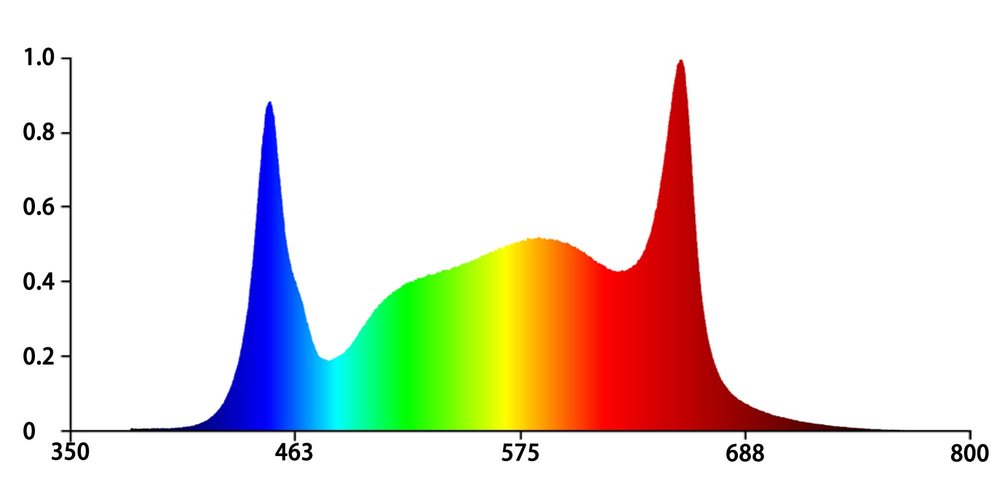
The 2160 μmol/s PPF of the G80-800W places it at the top of the Koray product lineup for single-fixture output. Here is how it compares to other popular models in the Koray catalog:
- G80-800W — 2160 μmol/s, G24B spectrum, 1.2×1.2m coverage
- G2000 — 660 μmol/s, G24/G19 spectrum, designed for 0.9×0.9m tents
- G120N-750W — 2070 μmol/s, F35/G19F spectrum, foldable design for commercial racking
- G50-660W — 1760 μmol/s, dual-channel adjustable spectrum (U190)
- G1000 — 290 μmol/s, G37 spectrum, compact quantum board for 0.6×0.6m tents
The G80-800W’s PPF of 2160 μmol/s is achieved through a high-density LED array using Samsung LM301H EVO chips. These next-generation LEDs deliver higher efficacy than standard LM301H or LM301B chips, converting more electrical energy into usable photons. Combined with Koray’s proprietary secondary optics system, the light is distributed evenly across the canopy without the center hotspot that plagues many competing quantum board designs.
From PPF to PPFD: Real-World Canopy Intensity
While PPF tells you the total output, PPFD (Photosynthetic Photon Flux Density) tells you how many of those photons actually reach a specific point on the plant canopy. The G80-800W delivers the following PPFD values in a 1.2×1.2m dark room (no reflective walls, 64-point average):
- At 0.2m (8 inches) — 1500 μmol/m²/s
- At 0.3m (12 inches) — 1250 μmol/m²/s
These numbers are exceptional for an 800W fixture. The key factor is the Koray secondary optics system, which shapes and redistributes the light from each LED to create a uniform intensity profile. Where a bare LED or simple reflector creates a bright center and dim edges (often with a 40-60% variance), the G80-800W maintains consistent PPFD across the entire 1.2×1.2m area. This uniformity means every plant in the canopy receives roughly the same light intensity, leading to even growth and consistent harvest timing.
The no-hotspot design also has a practical benefit: you can hang the light closer to the canopy (0.2m/8 inches) without risking light burn or heat stress. This is particularly valuable in rooms with limited vertical space, where every inch of hanging height matters.
Efficacy: PPF Per Watt
PPF alone does not tell the whole story. A fixture could achieve high PPF by simply consuming more power. The more meaningful metric is efficacy — how many micromoles of photons you get per joule of electrical energy (μmol/J). The G80-800W achieves an efficacy that outperforms the Lumatek Zeus 1000W while consuming 200W less power. This means lower electricity bills for the same or better light output.
Over a year of operation at 18 hours per day, the G80-800W saves approximately 876 kWh compared to a 1000W competitor fixture. For a 50-fixture commercial facility, that translates to 43,800 kWh saved annually. At an average commercial electricity rate of $0.12/kWh, this represents over $5,200 in annual savings — just from choosing a more efficient fixture.
PPF and Crop Requirements: Matching Light to Plants
Different crops have different daily light integral (DLI) requirements, and the G80-800W’s PPF of 2160 μmol/s is sufficient to meet the needs of most commercial crops:
- Cannabis (flowering) — Requires 800-1200 μmol/m²/s PPFD. The G80-800W delivers 1250 at 0.3m, exceeding this requirement.
- Tomatoes — Requires 400-800 μmol/m²/s. The G80-800W provides ample intensity even at greater hanging heights.
- Leafy greens and lettuce — Requires 200-400 μmol/m²/s. The G80-800W can be dimmed or hung higher to match this lower demand.
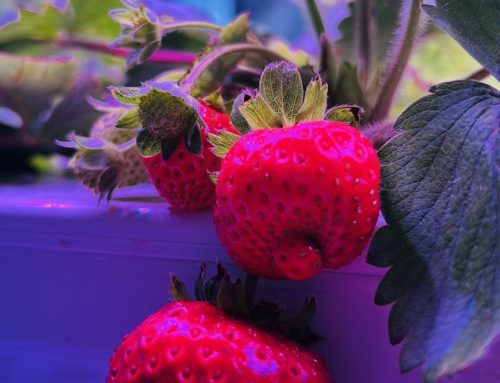
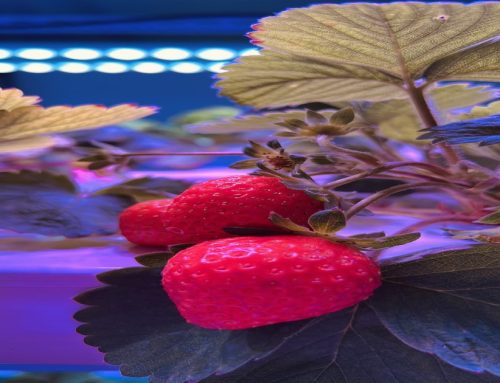
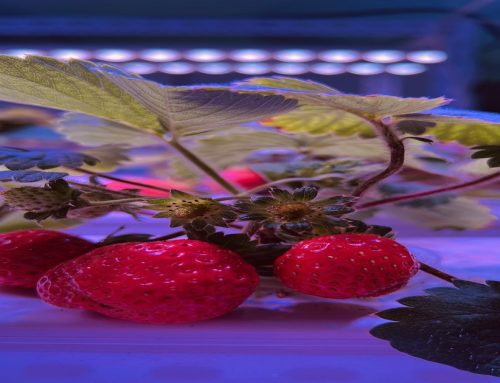
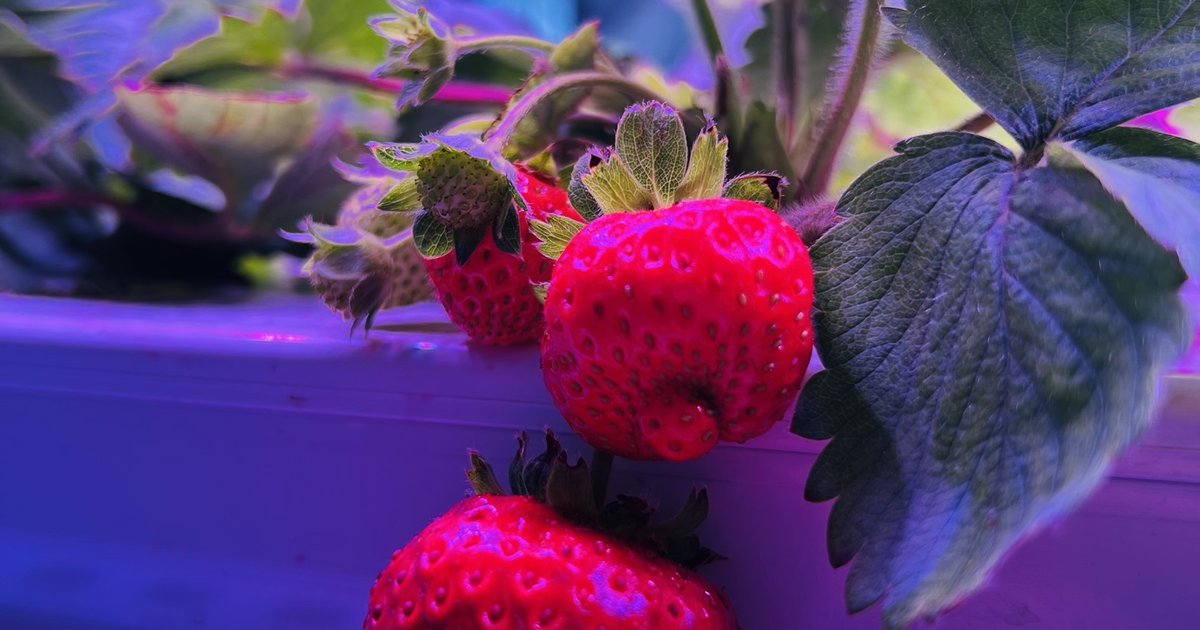
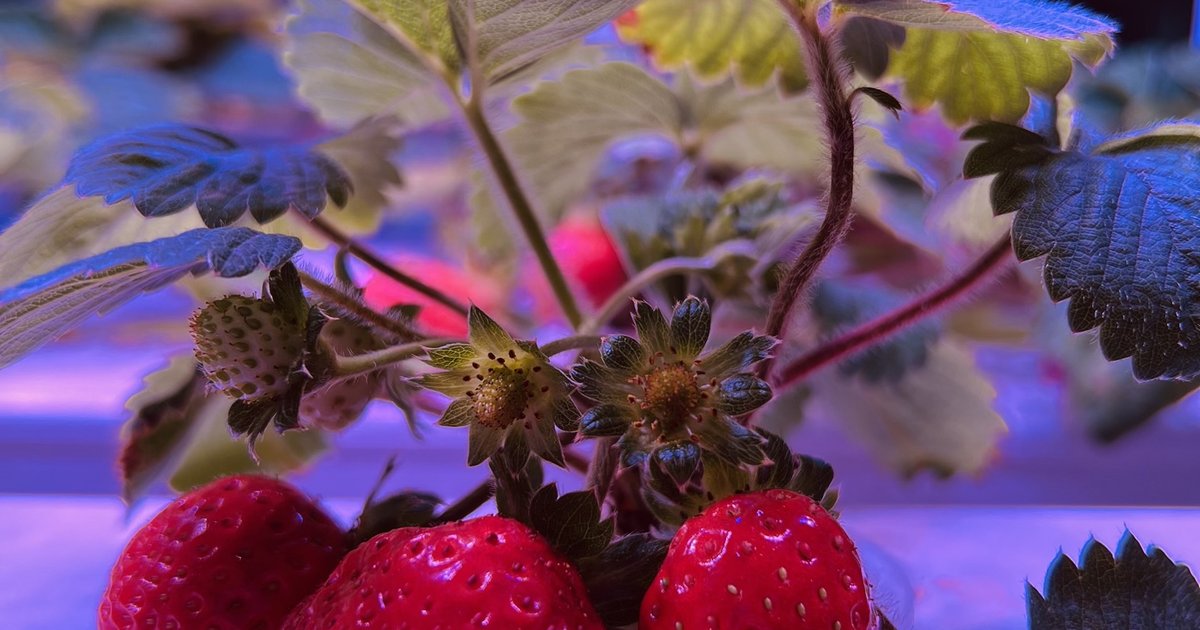
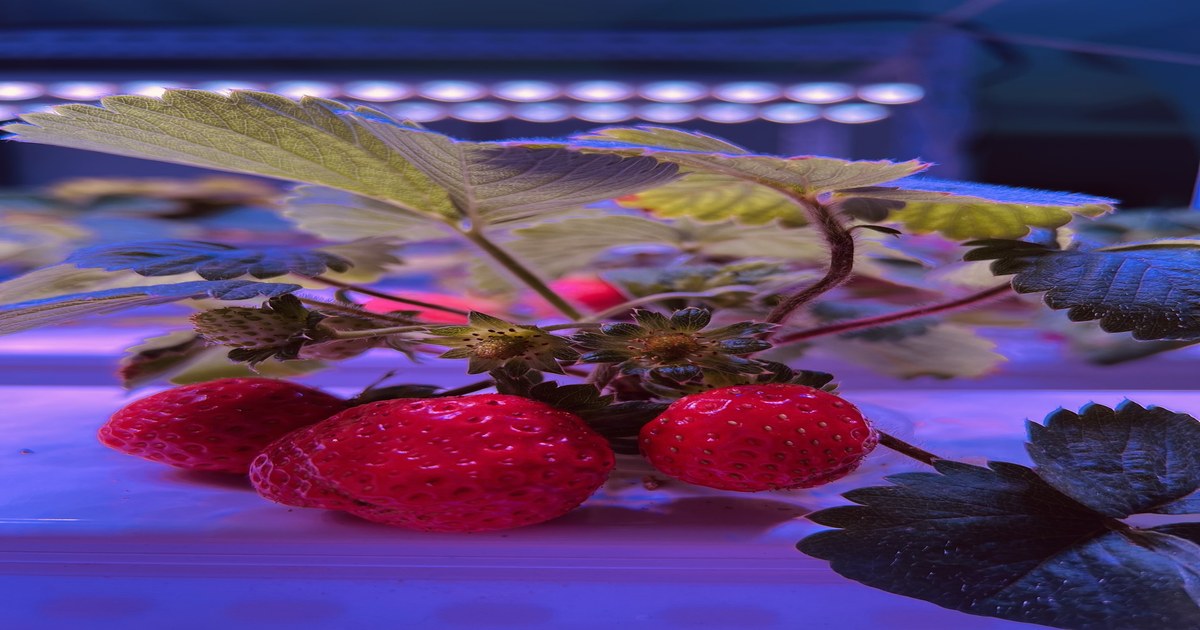
- Strawberries — Requires 300-600 μmol/m²/s. Well within the G80-800W’s capability.
The G24B spectrum used in the G80-800W is a low-green full-spectrum recipe that emphasizes the blue and red wavelengths where chlorophyll absorption is highest. This makes the 2160 μmol/s PPF particularly effective for driving photosynthesis, as a higher percentage of the photons are in the wavelengths plants actually use.
Dimming to Match Growth Stages
The G80-800W supports three dimming methods — PWM, RX resistor, and 0-10V — all compatible with the HortiGuru APP. This means you can start young plants at lower PPF output (effectively reducing the μmol/s) and gradually increase as the canopy develops. For example, seedlings might receive 400 μmol/m²/s (achievable by dimming the G80-800W to roughly 25-30% power at 0.3m distance), while flowering plants get the full 1250 μmol/m²/s. This flexibility eliminates the need for multiple fixtures at different growth stages.
FAQ
Is 2160 μmol/s PPF enough for a 4x4ft grow tent?
Yes. The G80-800W’s 2160 μmol/s PPF delivers 1250 μmol/m²/s PPFD at 0.3m (12 inches) in a 1.2×1.2m area, which exceeds the 800-1200 μmol/m²/s typically needed for flowering cannabis in a 4x4ft tent. It is more than sufficient for tomatoes, peppers, and other high-light crops as well.
How does the G80-800W PPF compare to a 1000W HPS?
A typical 1000W HPS produces 1100-1400 μmol/s PPF. The G80-800W delivers 2160 μmol/s — roughly 50-95% more photosynthetic light while consuming 200W less electricity. The LED also lasts 5-10 times longer and maintains output consistency over its 50,000-hour lifespan.
Can I increase the PPF by adding a reflector?
The G80-800W already incorporates Koray’s secondary optics system, which functions as an integrated optical engine. Adding an external reflector will not significantly increase PPF (which measures total output) but may redirect some photons. The fixture is designed to work optimally without additional reflectors.
What is the lifespan of the G80-800W?
The G80-800W is rated for 50,000 hours of operation. At 18 hours per day, this translates to approximately 7.6 years of continuous use. Koray Lighting backs the fixture with a 3-year warranty and holds CE, RoHS, FCC, and ETL certifications.





Leave A Comment