
What Beam Angles Are Available for the G138? Complete Guide to G138 Lens Options for Indoor Growing
Choosing the right beam angle for your LED grow lights is one of the most impactful decisions you can make when designing an indoor growing system. The beam angle determines how light spreads from the fixture to the canopy, directly influencing PPFD uniformity, coverage width, and ultimately the quality and consistency of your crop. One of the most common questions Koray Lighting receives about their popular Koray G138 LED grow bar series is what beam angle options are available and how to choose the right one for a specific application.
In this comprehensive guide, we will walk you through every beam angle option available for the G138 series, explain how each one affects light distribution and PPFD performance, and help you make an informed decision based on your growing setup, crop type, and shelf configuration.
Koray Lighting, founded in 2009 in Zhongshan, Guangdong, is a leading horticultural lighting manufacturer with over 200 patents and a presence in more than 60 countries. Their G138 series represents years of optical engineering expertise, incorporating Koray’s proprietary secondary optical system that sets the standard for uniform light distribution in commercial vertical farming.

Understanding Beam Angle in Horticultural Lighting
Before diving into the specific options available for the G138, it is important to understand what beam angle actually means in the context of LED grow lights. The beam angle is the angular spread of light emitted from a fixture, measured in degrees. A narrow beam angle like 60 degrees concentrates light into a tight cone, producing high intensity in a small area. A wide beam angle like 120 degrees spreads the same total light output over a broader area, reducing peak intensity but increasing coverage.
In horticulture, beam angle affects three critical performance metrics. First, peak PPFD: narrower beams deliver higher photosynthetic photon flux density at the center of the coverage area. Second, coverage width: wider beams illuminate a broader swath of the growing area. Third, uniformity: the right beam angle, combined with proper optical design, ensures that every plant receives roughly the same amount of light rather than having bright spots and dark edges.
This is where Koray’s engineering expertise comes in. The G138 series does not simply rely on raw LED beam angles. Instead, Koray employs a proprietary secondary optical system that reshapes the light distribution for optimal uniformity regardless of the base beam angle.
The Koray G138 Series: Quick Specifications Overview
The G138 series comes in three models to fit different shelf widths, each supporting multiple beam angle and spectrum combinations:
The G138-60 is a 600mm bar rated at approximately 30W, delivering a PPF of 75 µmol/s. It is designed for compact shelves, propagation stations, and desktop growing setups.
The G138-90 measures 900mm and draws about 40W, producing 100 µmol/s PPF. It fits standard greenhouse benches and mid-size commercial shelves.
The G138-120 is the full-size 1200mm model at 60W, delivering 150 µmol/s PPF and PPFD values of up to 530 µmol/m²/s at 0.2 meters with the F175 spectrum. This is the most popular model for commercial vertical farms and plant factories.
All three models are available with the F175 full-spectrum formula for general crop growing, the K6C spectrum with enhanced red for flowering plants and succulents, the high-efficiency V6 spectrum achieving up to 3.2 µmol/J, and the specialized F26 spectrum for research applications.

Beam Angle Options Available for the G138
The G138 series offers three primary beam angle configurations, each optimized for different growing scenarios:
The 60-degree narrow beam is designed for applications where maximum light intensity is needed in a concentrated area. This option is ideal for tall crops that require deep canopy penetration, such as tomatoes and peppers grown on multi-tier shelves. At 0.2 meters, the G138-120 with a 60-degree lens can deliver peak PPFD values exceeding 700 µmol/m²/s, making it suitable for high-light crops during flowering and fruiting stages. The narrow beam is also excellent for inter-lighting applications where bars are placed between rows of tall plants.
The 90-degree medium beam is the most versatile option and the default choice for most commercial growers. It provides an excellent balance between intensity and coverage, making it suitable for a wide range of crops and shelf configurations. At 0.2 meters, the G138-120 with a 90-degree lens delivers approximately 530 µmol/m²/s with a coverage width of about 0.6 meters. This beam angle works well for lettuce, herbs, strawberries, and most leafy greens grown on standard 1-meter-deep shelves.
The 120-degree wide beam maximizes coverage area and is ideal for wide shelves, low-mounted fixtures, or applications where uniform coverage is more important than peak intensity. This option is particularly useful for seedling propagation, tissue culture, and microgreens where gentle, even light distribution is preferred. The G138-120 with a 120-degree lens covers up to 0.8 meters at 0.2 meters mounting height, making it possible to achieve full shelf coverage with fewer bars.
Koray’s Secondary Optical System: Beyond Raw Beam Angle
What truly sets the G138 apart from competing LED grow bars is Koray’s proprietary secondary optical system. Standard LED bars without optical lenses produce a characteristic pattern with a very bright center (hotspot) and progressively dimmer edges. This uneven distribution means plants in the center of the shelf receive much more light than plants at the edges, leading to inconsistent growth and the need to rotate plants manually.
Koray’s secondary optical system uses precisely engineered lens elements to reshape the raw LED emission pattern into a uniform rectangular distribution. The result is a U0 uniformity ratio of over 0.8, meaning the minimum PPFD across the growing area is at least 80 percent of the average PPFD. In practical terms, this means every plant on your shelf gets nearly the same amount of light, regardless of where it is positioned.
This optical innovation works in conjunction with the beam angle to deliver both uniformity and the desired coverage pattern. Whether you choose the 60-degree, 90-degree, or 120-degree option, the secondary optical system ensures that the light is distributed evenly across the entire coverage area without hotspots or dark zones.
How to Choose the Right Beam Angle for Your Setup
Selecting the right beam angle depends on several factors. Consider your mounting distance first: shorter distances (0.15 to 0.25 meters) work well with wider beam angles like 120 degrees because the light has less distance to spread. Longer distances (0.3 to 0.5 meters) benefit from narrower beam angles like 60 degrees that maintain intensity over distance.
Your shelf width is another critical factor. For standard 600mm-wide shelves, the 90-degree beam provides excellent coverage with minimal overlap. For wider 1-meter or 1.2-meter shelves, the 120-degree beam ensures light reaches the edges without requiring additional bars.
Crop type also plays a role. High-light crops like tomatoes, peppers, and cannabis benefit from the concentrated intensity of the 60-degree beam during flowering. Low-light crops like lettuce, herbs, and microgreens thrive under the gentle, even coverage of the 120-degree beam. For most mixed-crop operations, the 90-degree beam offers the best all-around performance.
Finally, consider your tier height in vertical farming systems. If your shelf spacing is tight (less than 0.4 meters between tiers), the wider beam angles allow you to mount the bars closer to the canopy without creating hotspots. If you have more vertical space, the narrower beams give you flexibility to mount higher while maintaining adequate PPFD.
Practical Examples: Beam Angle Selection for Common Setups
For a commercial lettuce farm with 1-meter-wide shelves and 0.25-meter mounting distance, the 120-degree beam on the G138-120 delivers uniform PPFD of 300 to 400 µmol/m²/s across the entire shelf, which is ideal for leafy green production. You would need approximately 3 bars per 1.2-meter shelf length.
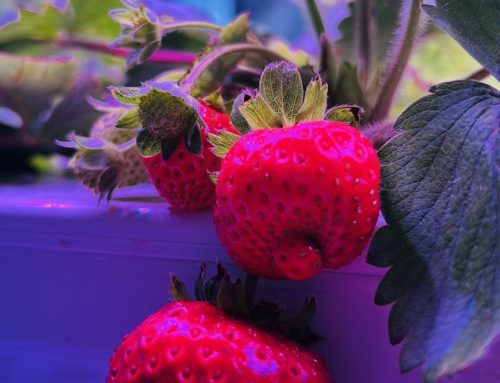
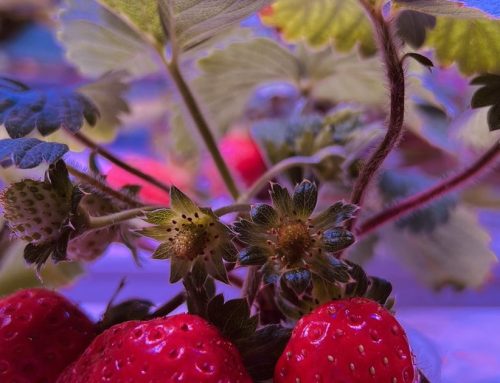
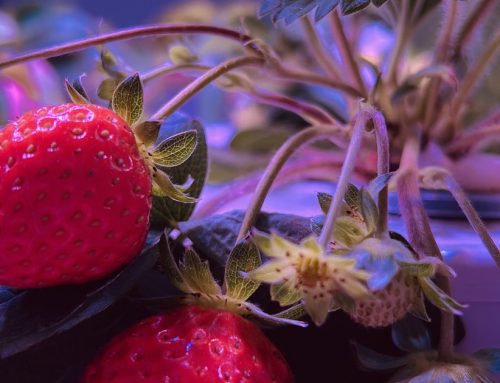
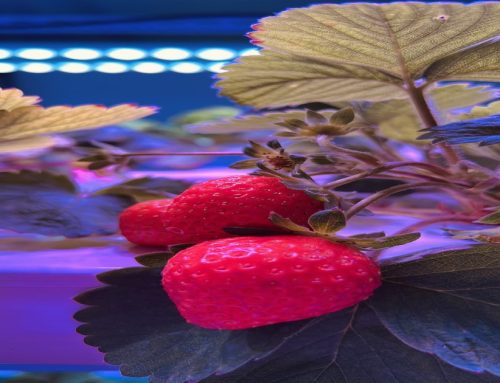
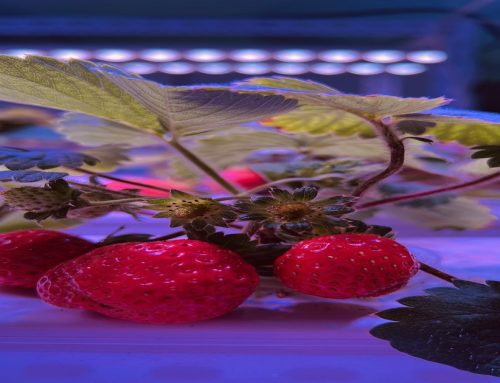
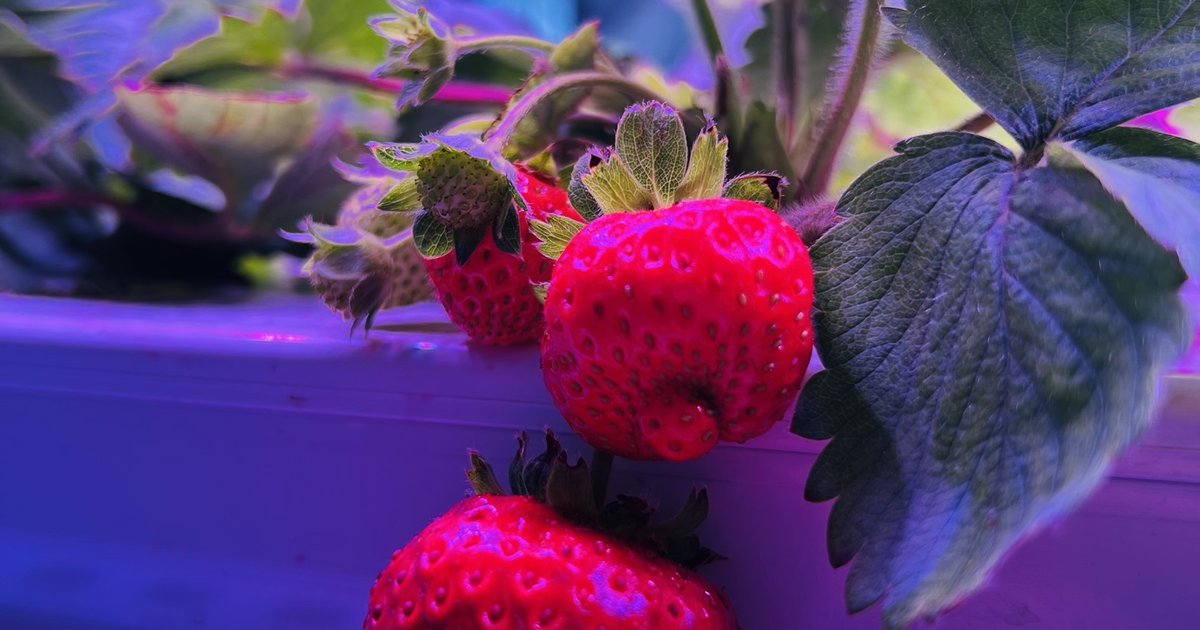
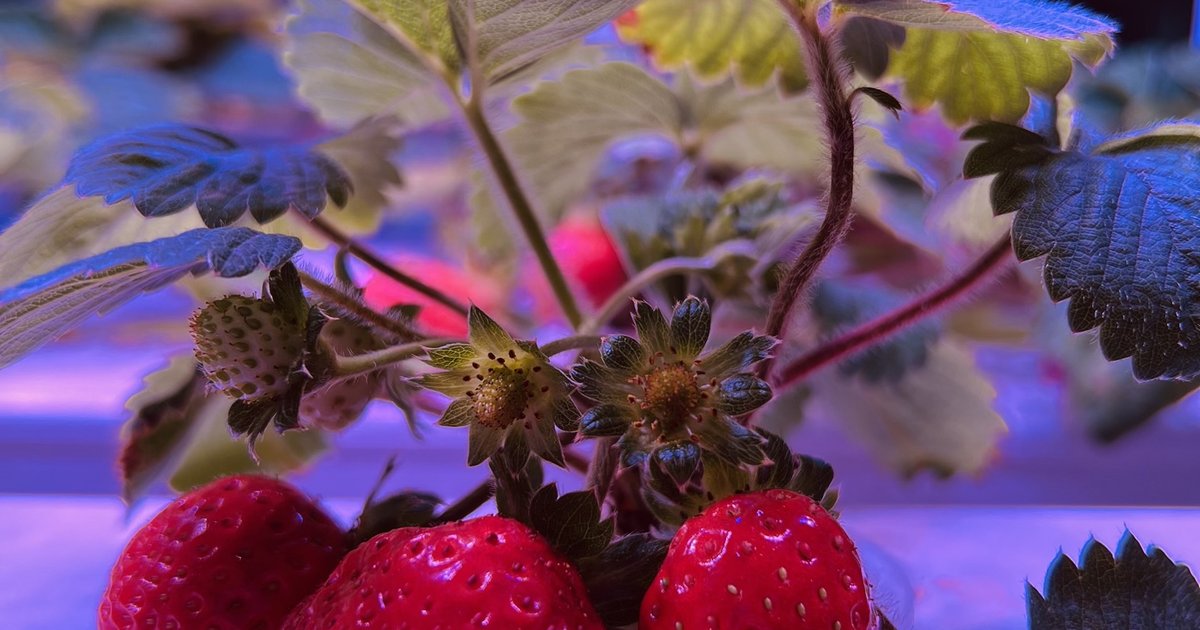
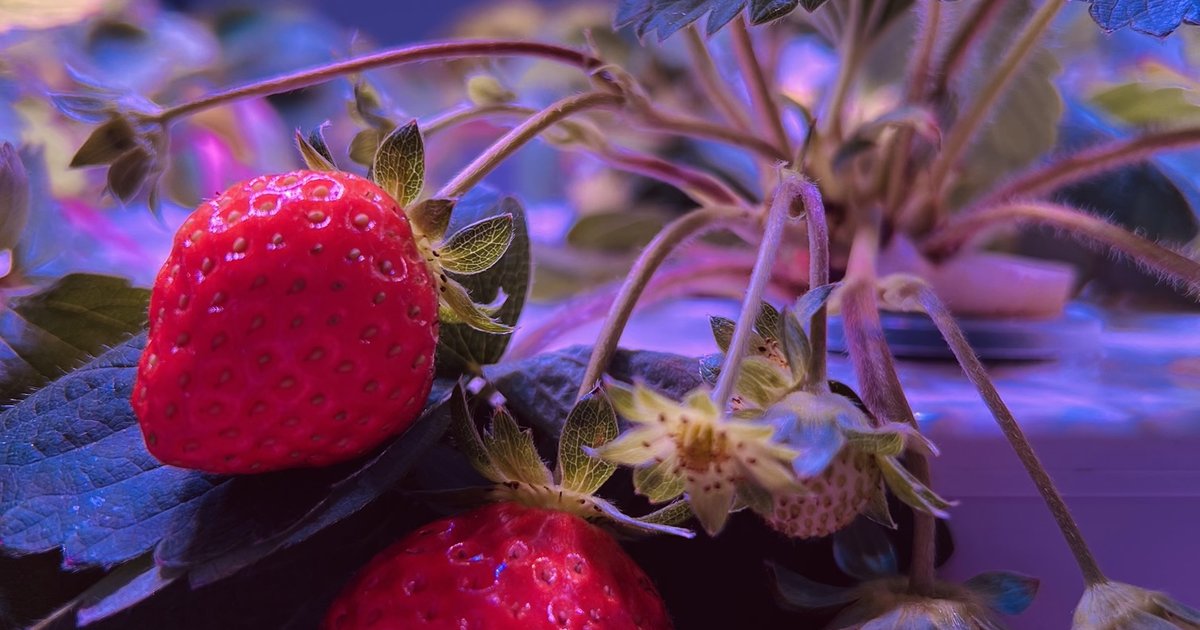
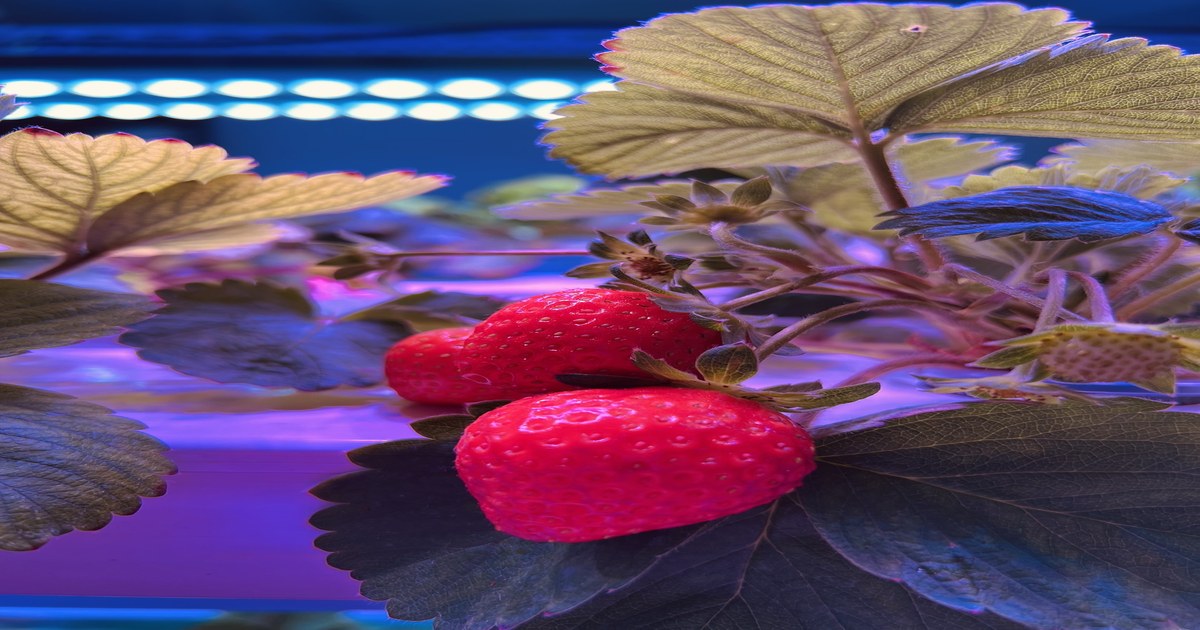
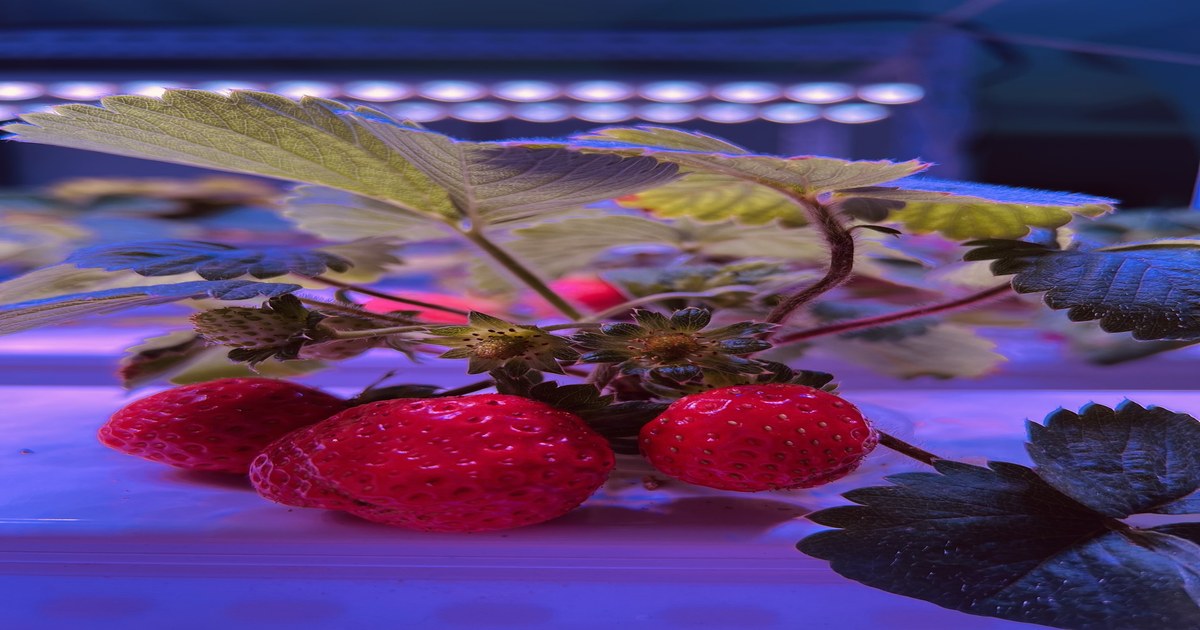
For a strawberry vertical farm with 0.6-meter shelves and 0.2-meter mounting distance, the 90-degree beam on the G138-90 provides PPFD of 400 to 500 µmol/m²/s with excellent uniformity, perfect for strawberry flowering and fruiting. The F175 spectrum ensures full-spectrum coverage for all growth stages.
For a succulent and ornamental plant grow rack with multiple tiers, the 90-degree beam combined with the K6C spectrum delivers the enhanced red wavelengths that succulents need for compact, colorful growth, while the secondary optical system ensures every plant receives even light.
Ordering the G138 with Your Preferred Beam Angle
When ordering the G138 series, simply specify your desired beam angle along with the model number and spectrum preference. For example, a complete order specification might read: G138-120, 90-degree beam, F175 spectrum, 24V DC. Koray Lighting’s sales team can also provide guidance if you are unsure which combination is best for your application.
Visit www.koraylights.com to explore the full G138 product line, request a quote, or speak with Koray’s technical team about your project requirements. With over 17 years of horticultural lighting experience and products exported to more than 60 countries, Koray Lighting has the expertise to help you design the optimal lighting solution for your growing operation.
Conclusion
The Koray G138 series offers three beam angle options, 60 degrees for concentrated intensity, 90 degrees for versatile balanced performance, and 120 degrees for maximum coverage, ensuring that every commercial grower can find the right configuration for their specific application. Combined with Koray’s proprietary secondary optical system for unmatched uniformity and multiple spectrum choices, the G138 series delivers a level of optical precision that is difficult to find in competing products. Whether you are growing lettuce, strawberries, succulents, or medicinal plants, there is a G138 beam angle and spectrum combination that will deliver optimal results for your operation.

Leave A Comment