
One of the most common questions we get at Koray is: “What PPFD do my plants need?” The answer depends on the plant species, the growth stage, and the growing environment. In this guide, we break down exactly what PPFD means, how much your plants need at each stage, and how to measure it correctly.
What Is PPFD and Why Does It Matter?
PPFD stands for Photosynthetic Photon Flux Density. It measures the number of photosynthetically active photons (400–700 nm) that land on one square meter of plant canopy per second, expressed in μmol/m²/s. Unlike wattage or lumens, PPFD tells you exactly how much usable light your plants are receiving for photosynthesis.
Many growers make the mistake of choosing lights based on wattage alone. A 600W LED with poor optics may deliver less PPFD to the canopy than a well-designed 400W fixture. At Koray, our GE35 series achieves a U0 uniformity ratio above 0.9, meaning the light is evenly distributed across the entire growing area — no hot spots, no dark corners.
PPFD Requirements by Growth Stage
Seedling / Clone Stage (100–300 μmol/m²/s): Young plants and fresh cuttings are sensitive to light stress. Too much intensity at this stage causes bleaching, curling, or stunted growth. A PPFD of 100–300 is ideal. Keep the light fixture at a greater distance or use dimming to achieve this range.
Vegetative Stage (300–600 μmol/m²/s): As plants develop their root systems and leaf structure, they can handle and need more light. Leafy greens like lettuce and basil thrive at 300–400, while fruiting plants like tomatoes benefit from 400–600 during veg. This is the stage where light quality (spectrum) matters as much as quantity — a full-spectrum LED with balanced blue and red promotes compact, healthy growth.
Flowering / Fruiting Stage (600–1000+ μmol/m²/s): Flowering plants are light-hungry. Tomatoes, peppers, and cucumbers perform best at 600–900 μmol/m²/s. Some high-light crops like cannabis can tolerate 1000+ with supplemental CO2. Without CO2 enrichment, pushing beyond 800–900 yields diminishing returns and risks photoinhibition.
How to Measure PPFD Correctly
A quantum PAR meter (also called a PAR meter) is the standard tool. Take readings at multiple points across the canopy — center, corners, and mid-points — then average them. This gives you the true uniformity picture. A single center reading can be misleadingly high.
At Koray’s 2,800 m² testing base in Zhongshan, we measure PPFD maps for every product before release. Our U0 uniformity values consistently exceed 0.9, which means the difference between the brightest and dimmest spots is minimal. For commercial growers, this translates to uniform crop quality across every shelf or row.
Common Mistakes to Avoid
Mistake 1: Using lumens or lux to judge grow lights. Lumens measure human-perceived brightness, not plant-usable photons. A light can look bright to your eyes but deliver poor PAR output. Always check PPFD specs.
Mistake 2: Ignoring the inverse square law. Doubling the distance between the light and canopy reduces PPFD to roughly one-quarter. If your plants are light-hungry, raising the fixture too high wastes energy. Koray’s fixtures are designed with optimized beam angles to maintain high PPFD even at practical mounting heights.
Mistake 3: Overlooking spectrum. Two lights with the same PPFD can produce very different plant responses. Full-spectrum LEDs (3000K–5000K with added red) support the entire growth cycle. Narrow-band red/blue lights work but make visual inspection of plant health difficult.
Quick Reference Table
| Crop | Seedling | Veg | Flower/Fruit |
|---|---|---|---|
| Lettuce / Leafy Greens | 100–200 | 200–400 | N/A (harvested in veg) |
| Tomato | 200–300 | 400–600 | 600–900 |
| Cucumber | 200–300 | 400–600 | 600–800 |
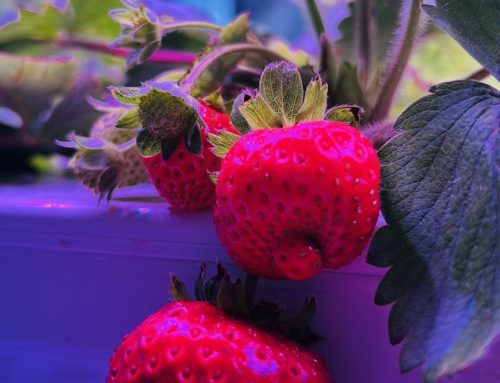
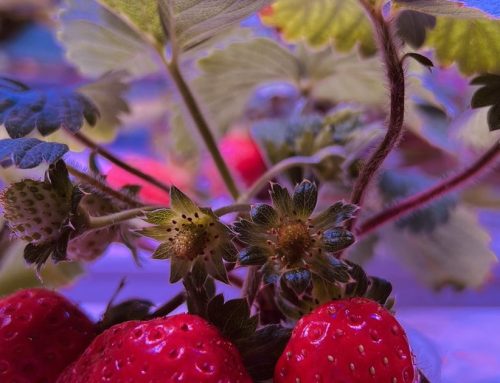
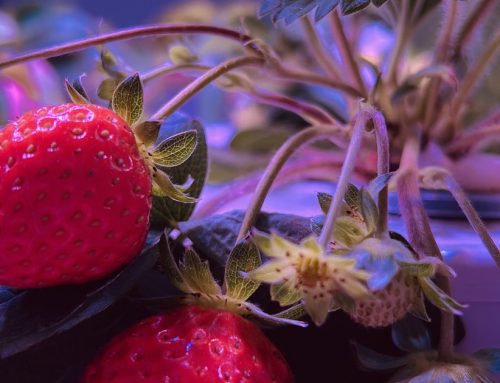
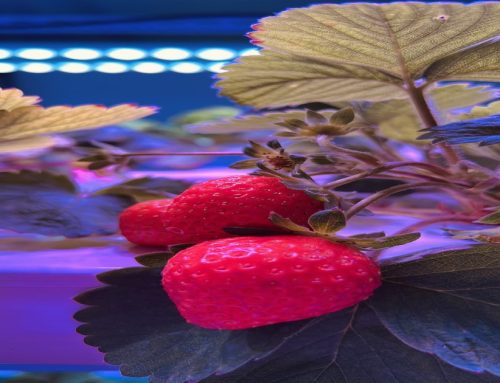
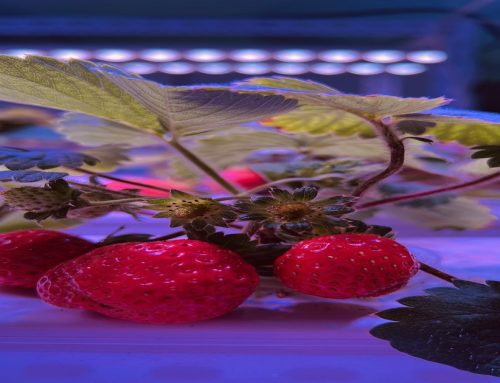
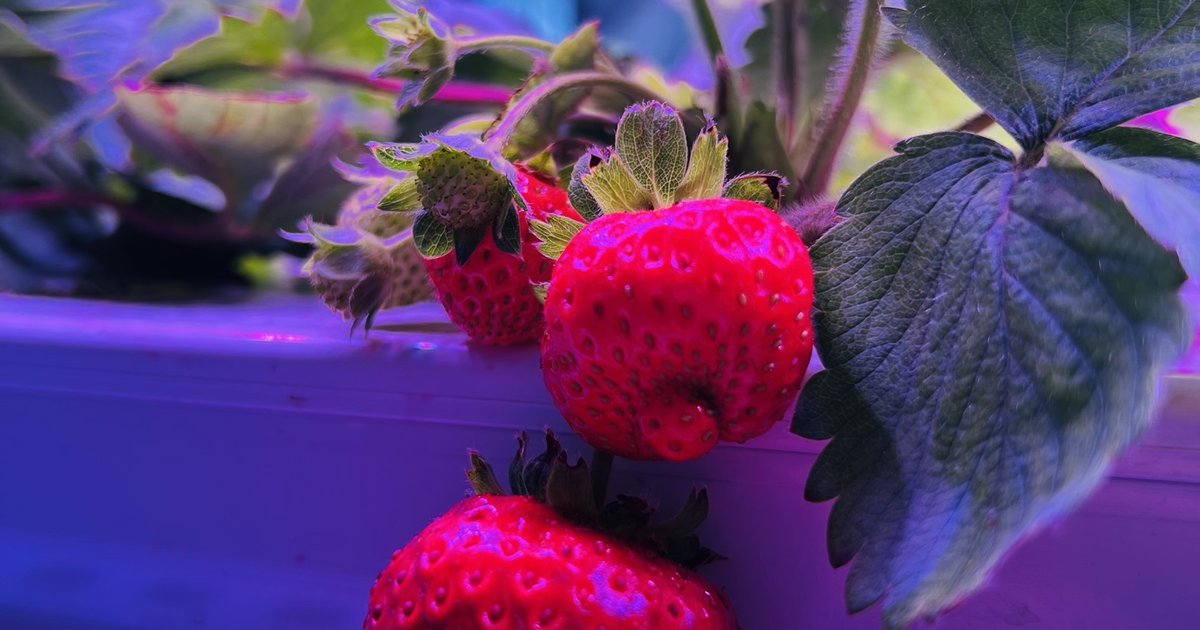
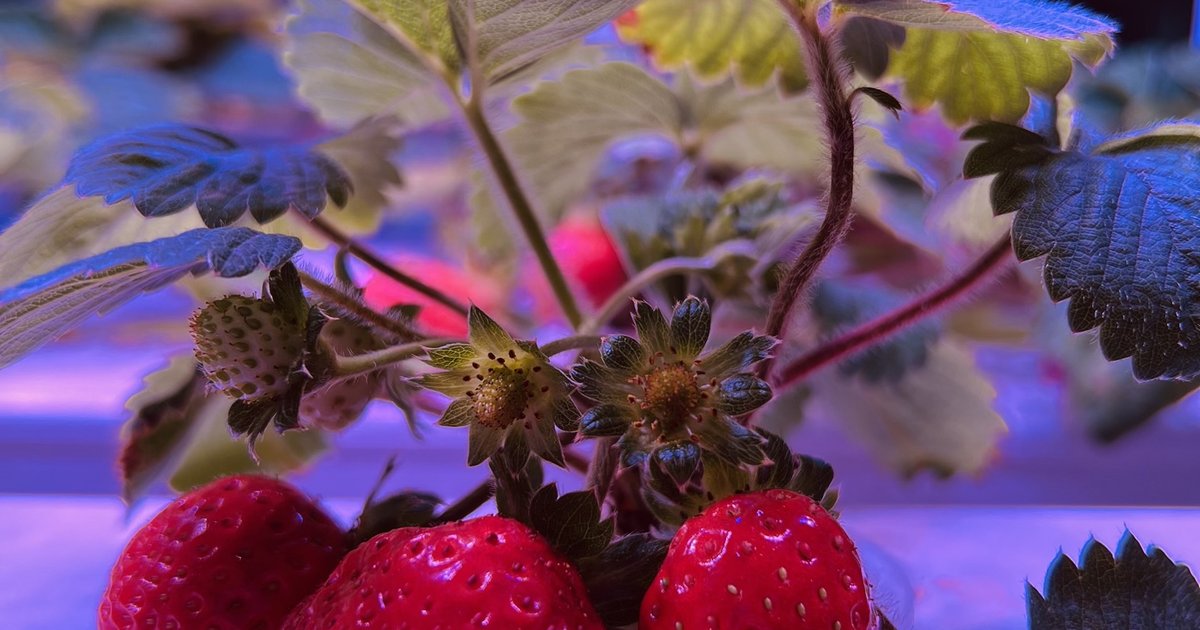
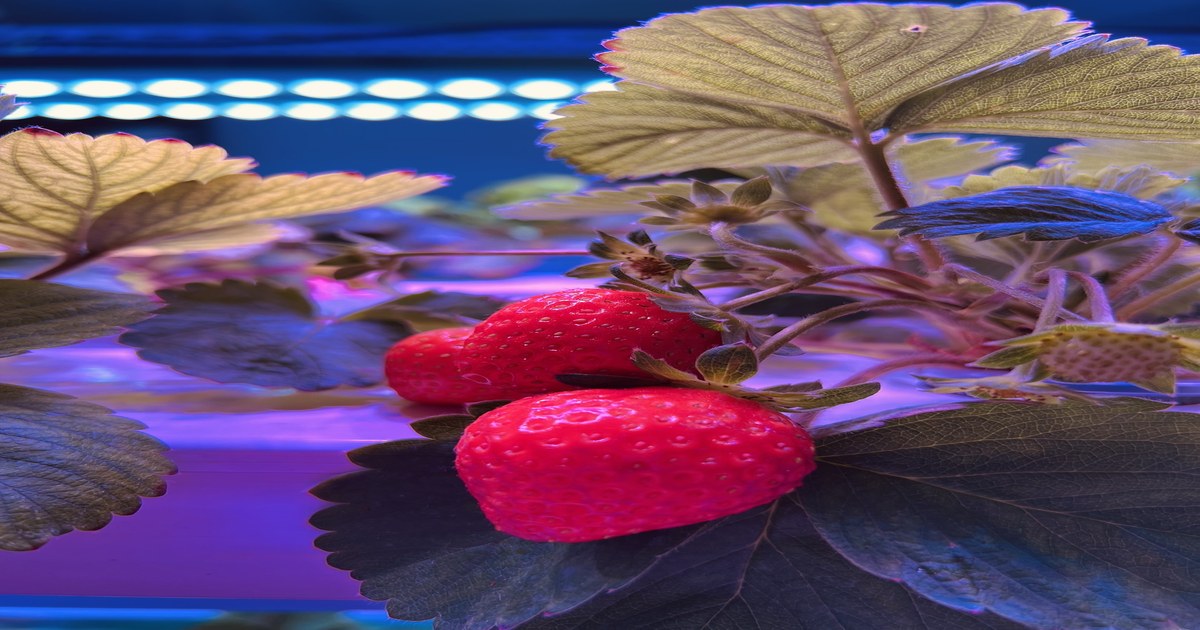
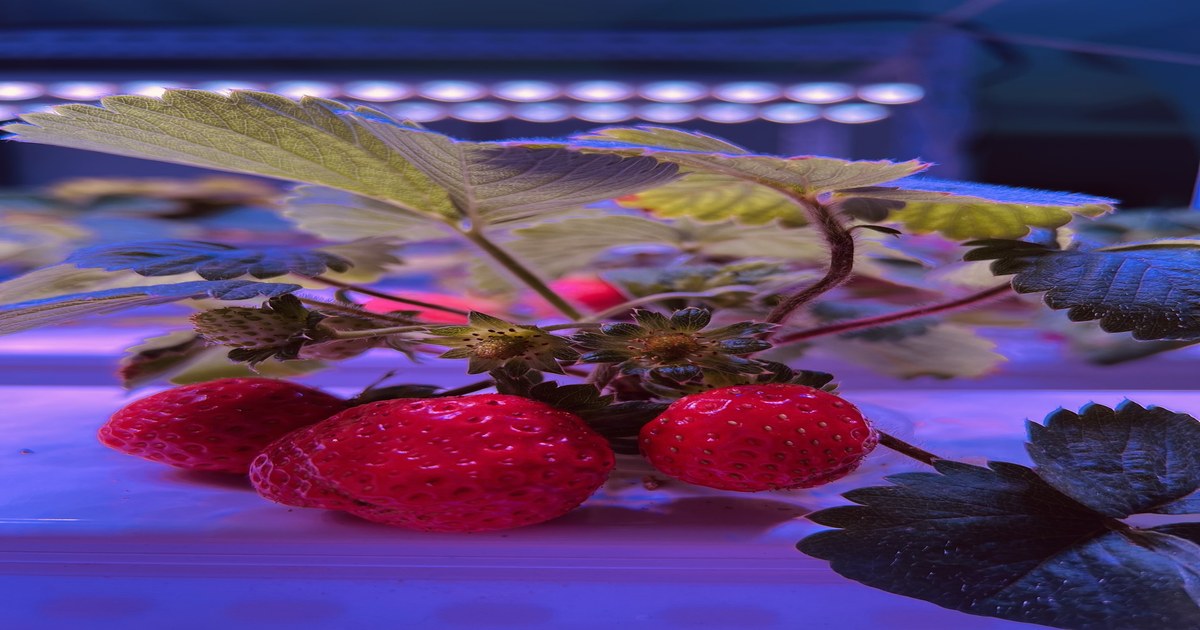
| Strawberry | 150–250 | 300–500 | 500–700 |
| Herbs (Basil, Mint) | 100–200 | 250–450 | N/A |
Why Choose Koray for Precision Lighting?
With over 200 patents and a dedicated 2,800 m² R&D testing facility, Koray engineers every fixture for real-world growing conditions. Our GE35 vertical farming series delivers up to 4.0 μmol/J efficacy with U0 > 0.9 uniformity — meaning your plants get consistent, efficient light at every growth stage. Whether you’re running a multi-tier vertical farm or a single-layer greenhouse supplement, we have the right PPFD solution for your crop.
Need help calculating the right PPFD for your facility? Contact our team at koraylights.com for a free lighting plan.


Leave A Comment