
Is the GK-200W Suitable for Tall Plants Like Tomatoes? A Complete Guide
When growing tall, light-hungry crops like tomatoes indoors or in a greenhouse, choosing the right supplemental or sole-source lighting is critical. The Koray GK-200W greenhouse grow light has become a popular choice among commercial growers and hobbyists alike. But does it really work for tall plants? In this article, we break down everything you need to know about using the GK-200W for tomatoes and other vertically demanding crops.
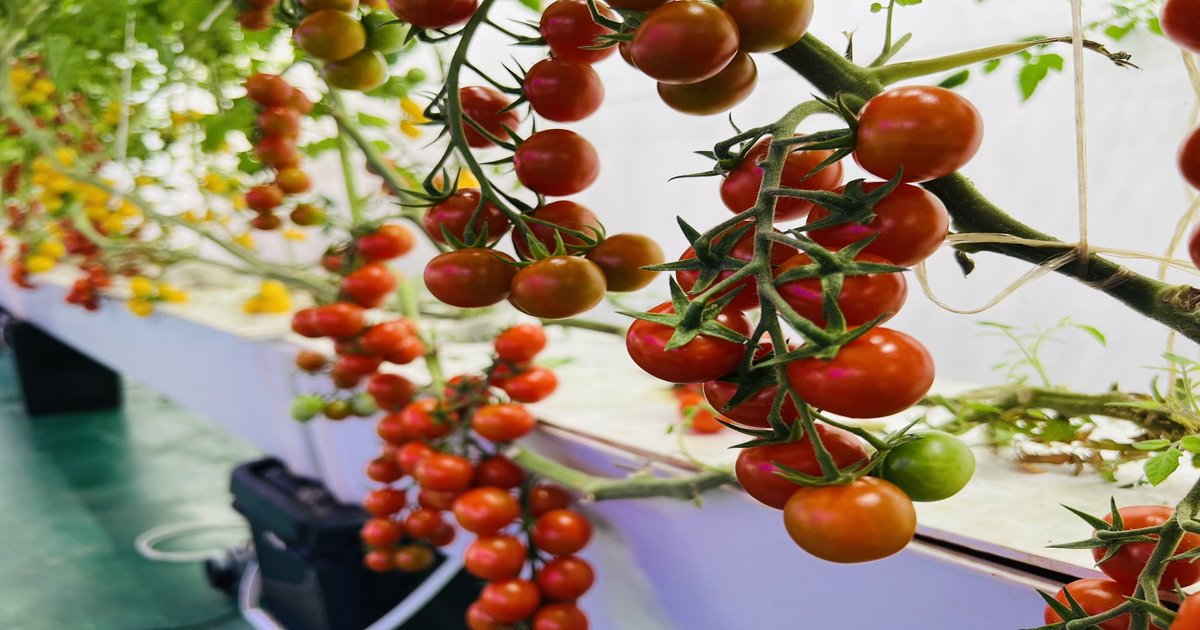
Why Tomatoes Need High-Intensity Lighting
Tomatoes are classified as high-light crops, requiring a Daily Light Integral (DLI) of 20–30 mol/m²/day for optimal fruit production. In practical terms, this means maintaining a PPFD (Photosynthetic Photon Flux Density) of at least 400–600 μmol/m²/s across the canopy for 14–18 hours per day. Without sufficient light intensity, tomato plants exhibit stretching, delayed flowering, poor fruit set, and reduced sugar content (Brix levels).
Indoor and greenhouse growers face an additional challenge: tomatoes are indeterminate growers. Varieties like Cherry, Beefsteak, and many heirloom cultivars can reach heights of 2–3 meters or more. This means the light fixture must deliver adequate intensity not just at the top of the canopy, but also penetrate through the middle and lower portions of the plant. That is exactly the scenario the Koray GK-200W was engineered for.
GK-200W Key Specifications for Tall Crop Performance
The GK-200W is part of Koray Lighting’s greenhouse-specific product line, designed as a top-light fixture for commercial and semi-commercial growing operations. Here are the specifications that matter most for tall plant applications:
The fixture delivers a PPF output of approximately 540 μmol/s with an efficacy of around 2.7 μmol/J. At a mounting height of 1 meter above the canopy, it provides a center PPFD of roughly 500 μmol/m²/s, which falls squarely within the optimal range for tomato flowering and fruiting. At 2 meters, the coverage diameter expands significantly, making it suitable for multi-row greenhouse configurations.
The GK-200W features an IP65 waterproof rating, meaning it can withstand the high humidity and occasional water contact typical of greenhouse environments. Its operating temperature range supports year-round use, and the fixture is compatible with standard greenhouse mounting systems including wire ropes and rigid brackets.

Which GK-200W Spectrum Is Best for Tomatoes?
The GK-200W is available in multiple spectrum configurations, and choosing the right one makes a significant difference for tomato production:
The F175 spectrum is a full-spectrum formulation designed for most plants, including tomatoes. It provides a balanced output across the 400–700nm PAR range with strong blue and red peaks. This spectrum is ideal for full-cycle tomato growing — from seedling through fruiting — because it promotes compact vegetative growth (thanks to blue light) while also driving flowering and fruit development (through red light). Growers using the GK-200W-F175 report consistent fruit set and good flavor profiles.
The K6 spectrum emphasizes red wavelengths, making it particularly effective for promoting flowering and fruiting. If your primary goal is maximizing tomato yield during the generative phase, the GK-200W-K6 can deliver excellent results. However, for seedling and early vegetative stages, a spectrum with more blue (like F175) is preferable to prevent excessive stretching.
The V3 spectrum is the high-efficiency variant, delivering up to 2.7 μmol/J. For growers focused on reducing energy costs while maintaining production quality, the V3 spectrum offers an outstanding balance of output and efficiency.

Recommended Mounting Height and Spacing
For tall plants like tomatoes, the recommended mounting height for the GK-200W is 1.5 to 2.5 meters above the top of the canopy. At this range, the wide beam angle ensures even coverage across a large diameter, reducing the total number of fixtures needed per greenhouse bay.
As the tomato plants grow, you may need to adjust the fixture height upward. Many commercial greenhouse operators use wire-rope suspension systems that allow easy height adjustment. The key is to monitor the PPFD at the canopy level regularly and adjust accordingly. If the PPFD drops below 300 μmol/m²/s at the top of the canopy, it is time to lower the light or increase the number of fixtures.
For a standard 100 m² greenhouse growing tomatoes, you would typically need approximately 8–12 GK-200W fixtures, depending on the mounting height and desired PPFD uniformity. Koray Lighting provides PPFD distribution maps for the GK-200W to help growers plan their layout precisely.
GK-200W vs. Traditional HPS for Greenhouse Tomatoes
Many greenhouse tomato growers are transitioning from 400W or 600W HPS (High Pressure Sodium) fixtures to LED alternatives like the GK-200W. The advantages are substantial: the GK-200W consumes significantly less electricity per μmol of PAR output, produces far less radiant heat (reducing the risk of leaf scorch at close distances), and offers spectrum options that can be tailored to specific growth stages.
A 400W HPS fixture typically delivers about 1.4–1.8 μmol/J, while the GK-200W V3 spectrum achieves 2.7 μmol/J. This means you get roughly 50–90% more photosynthetically active light per watt of electricity consumed. Over a year of continuous operation, this translates to significant cost savings — often enough to recoup the initial investment within 1–2 growing seasons.
Real-World Results and Grower Feedback
Commercial growers using Koray GK-200W fixtures for tomato production report improvements in fruit quality, yield consistency, and energy efficiency. The even PPFD distribution — a hallmark of Koray’s secondary optics technology — eliminates the hot spots common with older LED designs, resulting in uniform ripening across the entire canopy.
For hobbyist and small-scale growers, the GK-200W offers a professional-grade solution that scales well. Whether you are growing cherry tomatoes in a backyard greenhouse or operating a commercial tomato facility, the GK-200W provides the intensity, coverage, and spectrum flexibility needed for excellent results.
Conclusion
The Koray GK-200W is absolutely suitable for tall plants like tomatoes. With its 200W power output, multiple spectrum options (F175, K6, and V3), IP65 waterproof construction, and greenhouse-optimized beam pattern, it delivers the intensity and coverage that demanding crops require. When mounted at the recommended height of 1.5–2.5 meters and paired with the appropriate spectrum for your growth stage, the GK-200W can support tomatoes from seedling through full fruiting with excellent uniformity and energy efficiency.
For more information about the GK-200W series and other Koray Lighting products, visit www.koraylights.com.




Leave A Comment