
One of the most common questions commercial growers ask when evaluating LED bar lights is about coverage area at specific mounting heights. If you are designing a vertical farm or multi-layer rack system, knowing exactly how wide the light spreads at your intended hanging distance is critical for ensuring uniform crop growth. So how wide is the coverage of the GE35 at 0.3m height? Let us dive into the detailed specifications across the entire GE35 series from Koray Lighting.
The GE35 Series at a Glance
The GE35 is Koray Lighting’s flagship LED grow bar series, purpose-built for commercial plant factories, vertical farming operations, and professional greenhouse supplemental lighting. With an IP64 waterproof rating, AC120–277V universal input, and power factor above 0.9, the GE35 is engineered for demanding horticultural environments where reliability and performance are non-negotiable.
The series features a compact 38x40mm cross-section that fits neatly onto standard shelving systems, and it is available in multiple lengths and spectrum configurations to match different crop requirements and growing strategies.

GE35 Coverage at 0.3 Meters by Model
At 0.3 meters (approximately 12 inches) above the canopy, the effective coverage width depends on the specific GE35 model and whether it uses a focusing lens. Here is a breakdown:
The GE35-120-V6 (1200mm, 52W, no lens) delivers PPFD of 250 μmol/m²/s at 0.3m directly below the bar. Without a lens, the light spreads naturally in a wide pattern, providing effective coverage of approximately 0.4–0.5 meters wide at this distance. This model achieves 3.5 μmol/J efficacy, making it the most efficient in the series.
The GE35-120T-V6 (1200mm, 52W, with focusing lens) produces higher PPFD of 400 μmol/m²/s at 0.3m. The lens narrows the beam slightly, concentrating photons into a tighter area. Effective coverage width at 0.3m is approximately 0.35–0.45 meters, but with significantly higher intensity within that zone.
The GE35-60T-F175 (606mm, 30W, F175 spectrum) delivers 350 μmol/m²/s at 0.3m. Being a shorter bar, its effective coverage is roughly 0.3–0.4 meters wide at this distance, ideal for narrow shelf positions or small propagation areas.
The GE35-90T-F175 (900mm, 40W, F175 spectrum) provides 330 μmol/m²/s at 0.3m with Ra>90 color rendering. Its coverage at 0.3m extends approximately 0.35–0.45 meters wide, and the high CRI makes it easy to visually inspect plant health under the light.
The GE35-120T-F175 (1200mm, 60W, F175 spectrum) delivers 360 μmol/m²/s at 0.3m. As the most popular model in the series for general-purpose growing, it provides effective coverage of approximately 0.4–0.5 meters wide at 0.3m height.
The GE35-120T-K6 (900mm, 80W, K6 spectrum with 45° lens) produces an impressive 530 μmol/m²/s at 0.3m. The 45-degree lens focuses the beam more tightly, resulting in effective coverage of approximately 0.3–0.4 meters wide at this distance. This model is specifically designed for flowering plants, succulents, and carnivorous species that demand high light intensity.

How to Achieve Uniform Coverage Across a Shelf
Knowing the single-bar coverage width is only half the equation. For uniform light distribution across an entire shelf, growers need to consider bar spacing and the number of bars per layer.
On a standard 1.2-meter-wide shelf, most commercial growers install 3 to 4 GE35 bars per layer with 25–30cm spacing between bars. This configuration ensures that the overlapping light patterns from adjacent bars create a uniform PPFD across the entire growing surface, with minimal variation between the center and edges.
Koray’s proprietary secondary optical technology plays a key role here. Unlike many LED bars that produce an intense hotspot directly below the center of the bar with rapid falloff toward the edges, the GE35 uses custom lenses to spread photons more evenly. This means the PPFD at the edge of each bar’s coverage area is closer to the center value, resulting in more uniform crop growth.
Coverage Considerations for Different Crops
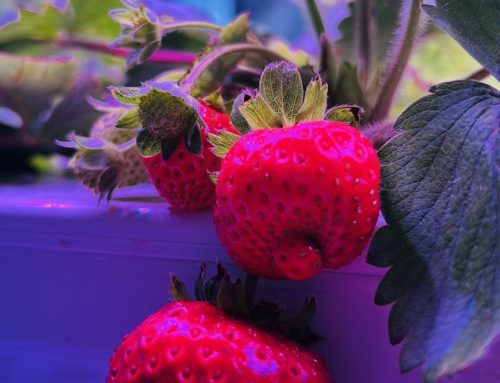
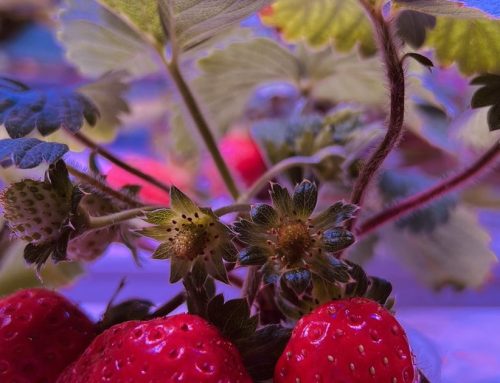
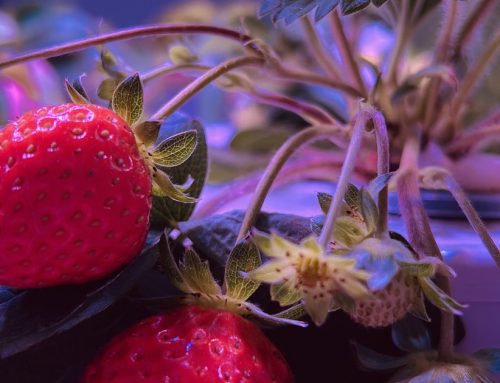
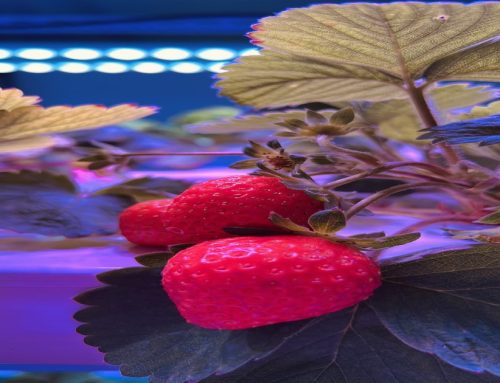
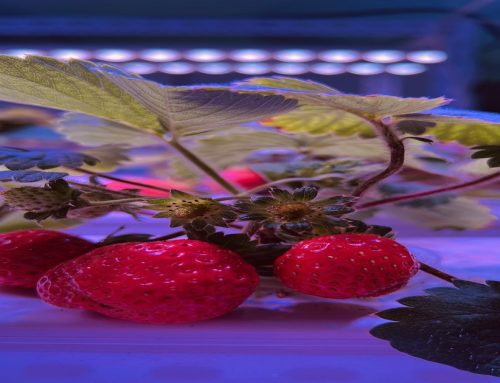
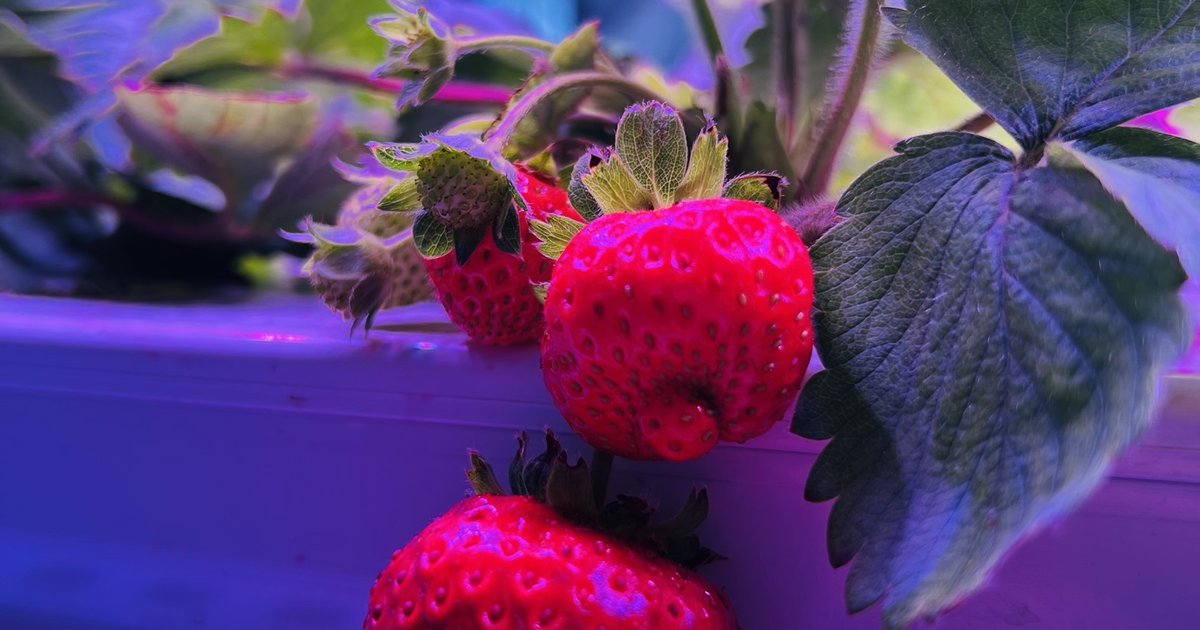
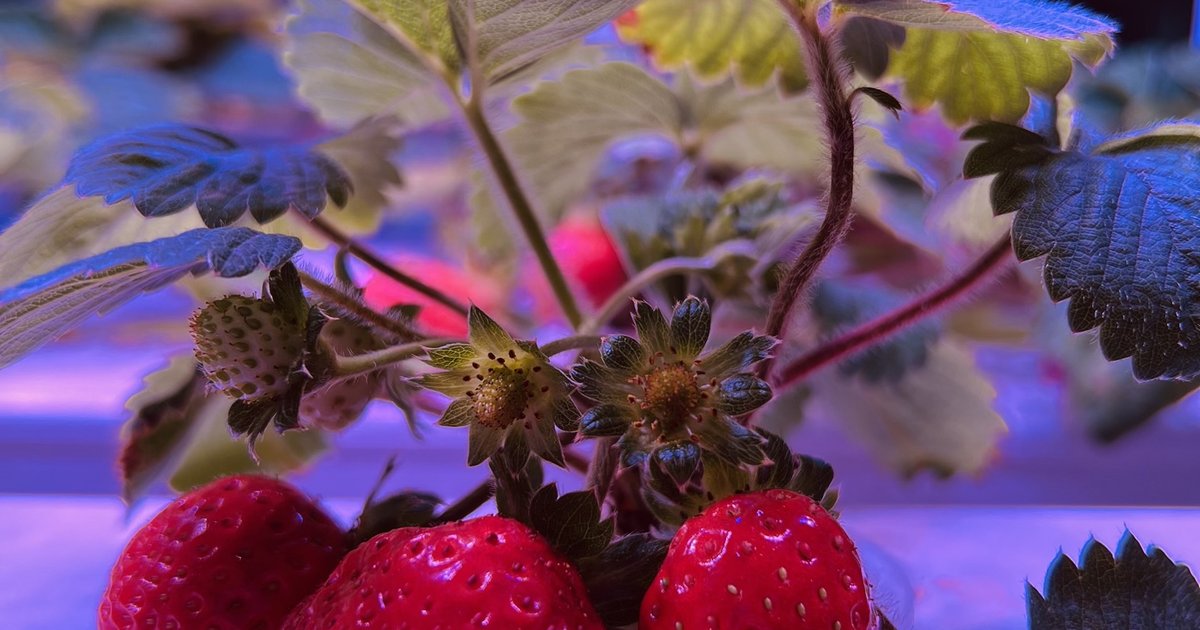
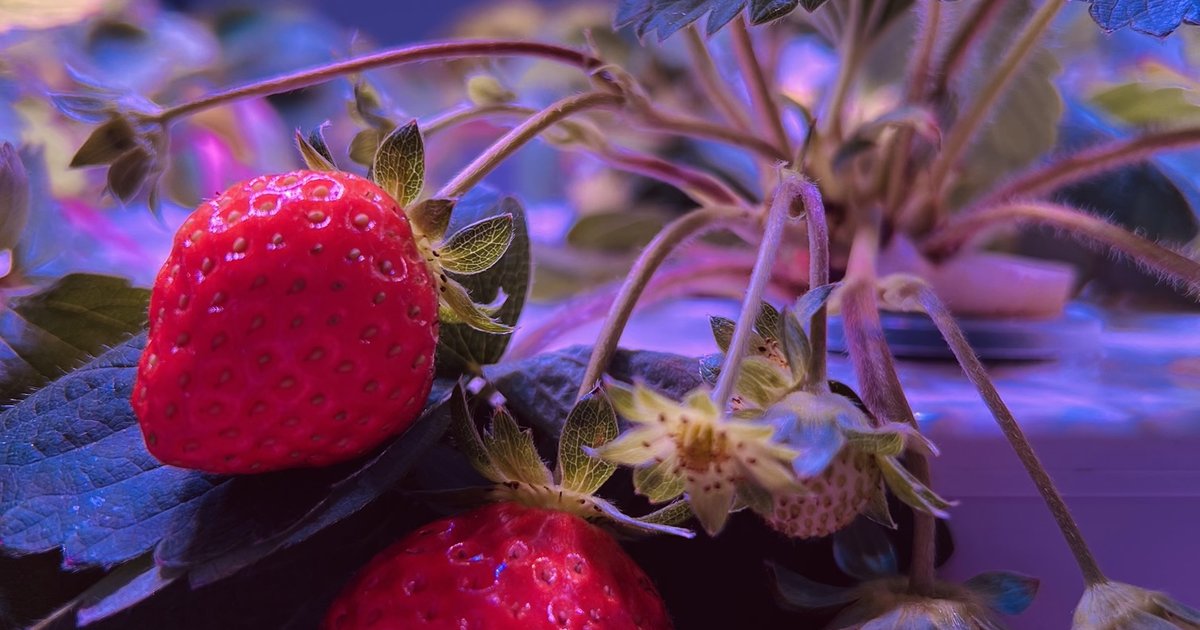
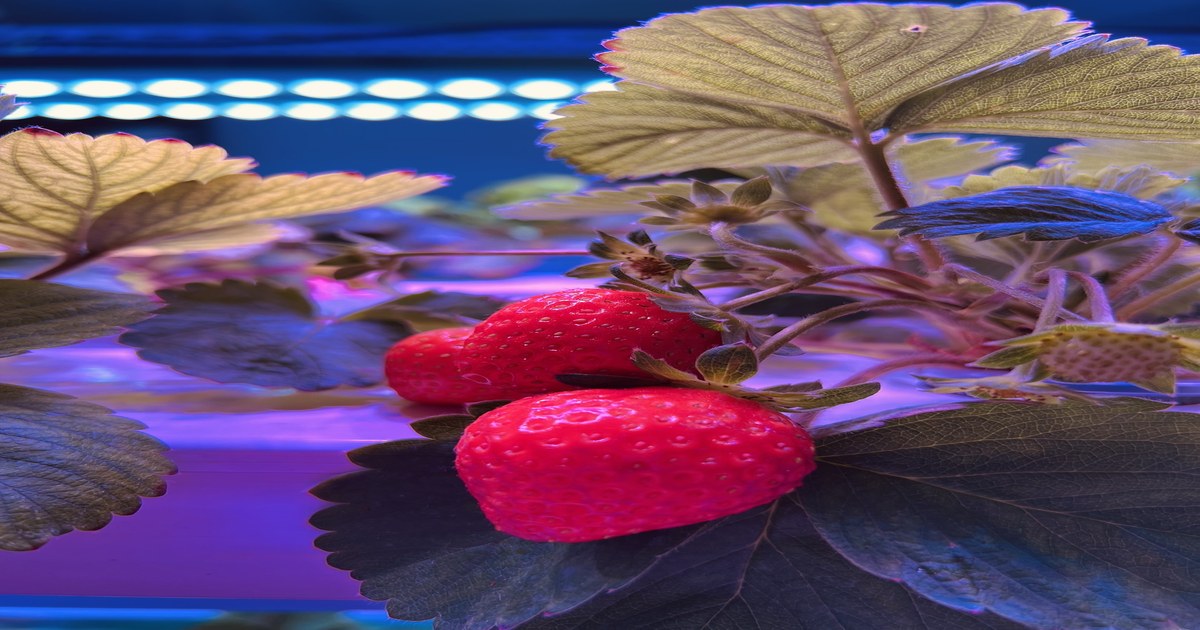
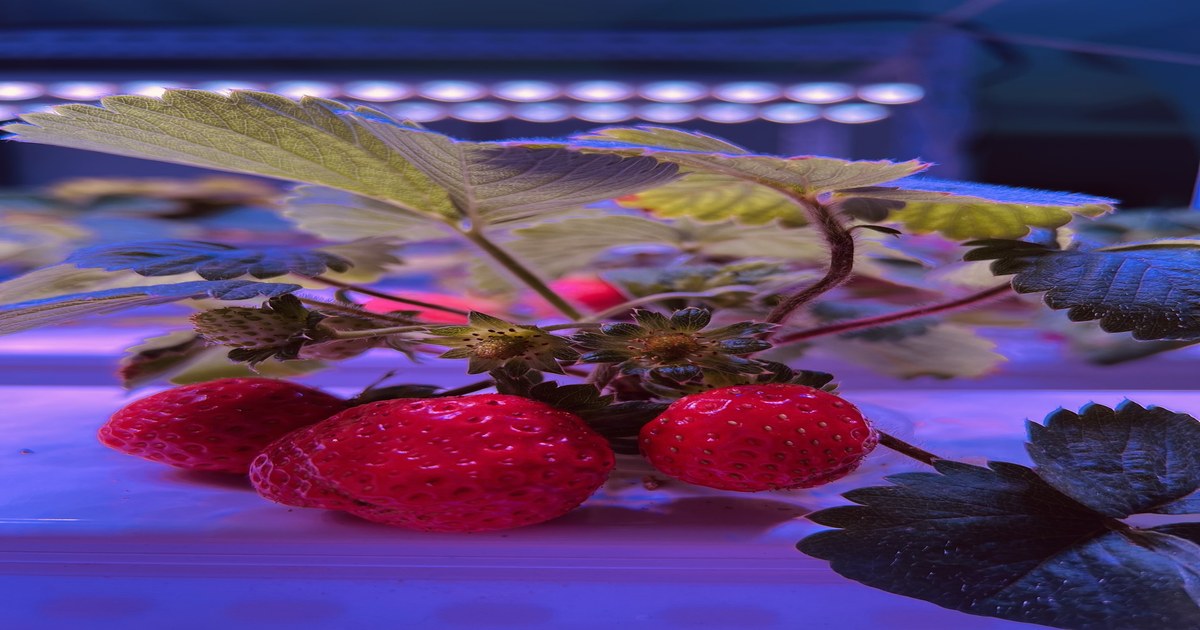
For strawberry production on vertical racks, the GE35-120T-F175 or GE35-120T-K6 models are recommended. Strawberries require a DLI of 15–20 mol/m²/day for optimal fruiting, which translates to an average PPFD of 200–300 μmol/m²/s over 18–20 hours of daily lighting. At 0.3m mounting height, 3–4 bars per layer will comfortably achieve this target.
For lettuce and leafy greens, the GE35-120-V6 (no lens, widest spread) is often the best choice. Lettuce requires a lower DLI of 12–17 mol/m²/day, and the wide coverage of the lensless model ensures even growth across the entire shelf without excessive intensity that could cause tip burn.
For flowering crops and ornamental plants, the GE35-120T-K6 with its 45° lens and high red-spectrum output delivers the intensity these plants demand. The tighter beam angle means you may need 4–5 bars per layer to ensure full coverage, but the PPFD per bar is significantly higher.
DC-Powered Variants for Centralized Systems
For large-scale plant factories that prefer centralized power distribution, Koray offers DC variants of the GE35. The GE35-120T-DC-2H-VR operates on DC40V/35V with adjustable power up to 75W (maximum 90W), allowing facility managers to fine-tune light output for different crops or growth stages without changing hardware. This flexibility is particularly valuable in research facilities and multi-crop commercial operations.
Key Takeaways
At 0.3 meters, a single Koray GE35 bar provides effective coverage of 0.3 to 0.5 meters wide depending on the model and lens configuration. For full shelf coverage, plan on 3–4 bars per 1.2m layer with 25–30cm spacing. The series’ IP64 rating, high power factor (>0.9), and 50,000-hour lifespan make it a reliable long-term investment for any commercial growing operation.

Leave A Comment