
The New G138: A Major PPFD Upgrade
When Koray Lighting redesigned the G138 series, the engineering team faced a common challenge in horticultural lighting: how to deliver more photosynthetic light to plants without increasing power consumption or changing the physical form factor that vertical farm operators depend on. The answer was Koray’s proprietary secondary optics technology, and the results represent one of the most significant PPFD improvements in the grow light bar category.
With 17 years of LED horticultural expertise and over 200 patents, Koray has developed a deep understanding of how light distribution affects plant growth. The new G138 is a direct result of this expertise, and the PPFD improvements are transforming how commercial growers think about lighting density in vertical farms and greenhouse rack systems.

Understanding the 40%+ PPFD Improvement
The new G138 series achieves a single-bar PPFD improvement of more than 40% compared to the previous generation. To put this in context, if the old G138 delivered 200 umol/m2/s at a given distance, the new version delivers over 280 umol/m2/s at the same distance, using essentially the same amount of electricity.
This improvement does not come from simply driving the LEDs harder. Instead, Koray’s secondary optics reshape the light beam to direct more photons toward the target area. In traditional LED bars, a significant portion of light is lost to internal reflection, scattering, and the intense center hotspot that characterizes bare-LED designs. The G138’s optics capture this wasted light and redistribute it across the growing area.
The result is twofold: the peak PPFD at the center of the beam is more controlled (reducing the risk of light burn), while the average PPFD across the entire growing width is substantially higher. This means more of the light reaching the canopy is actually usable by plants, not wasted in hot spots or dark edges.
What Is Koray’s Secondary Optics Technology?
Secondary optics refers to the lens or reflector system placed between the LED chip and the target surface. While primary optics (the LED package itself) determines the initial beam angle, secondary optics reshape that beam for the specific needs of horticultural applications.
Koray’s secondary optics are designed to create a wider, more uniform beam profile compared to bare-LED bars. Instead of a narrow, intense hotspot in the center with rapid falloff at the edges, the G138 produces a broad, even distribution that covers the full shelf width. This is achieved through precisely engineered lens geometry that redirects light from the center toward the periphery.
The practical benefit is that growers can space G138 bars farther apart while still achieving uniform coverage. Where a competing product might require bars spaced 10cm apart to avoid dark zones between them, the G138’s wider beam allows 15-20cm spacing, reducing the number of bars needed per shelf and lowering overall system cost.

Real-World Impact on Crop Production
The 40%+ PPFD improvement translates directly into tangible benefits for commercial growers.
Faster growth cycles. Higher PPFD means each plant receives more photosynthetic photons per second, accelerating biomass accumulation. For lettuce growers, this can mean reducing the seed-to-harvest cycle by several days. Over a year of continuous production, those extra days add up to additional harvest cycles and increased revenue.
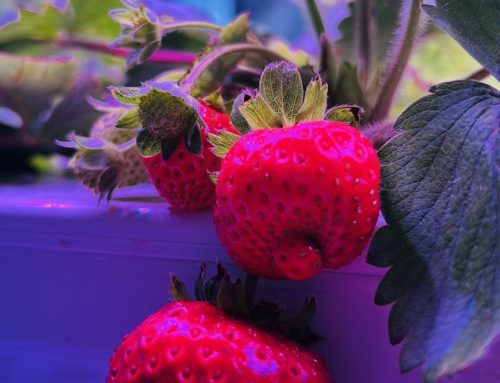
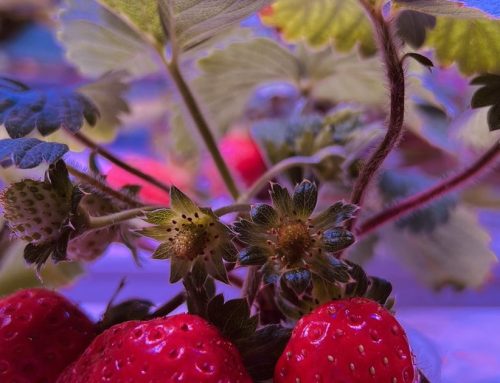
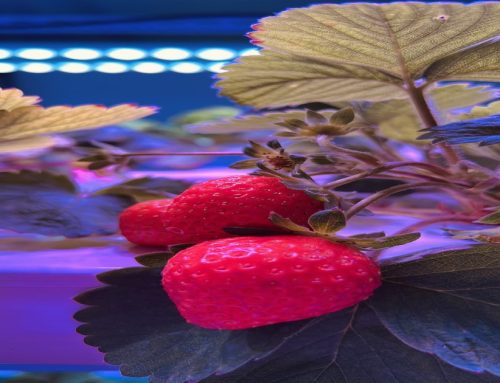
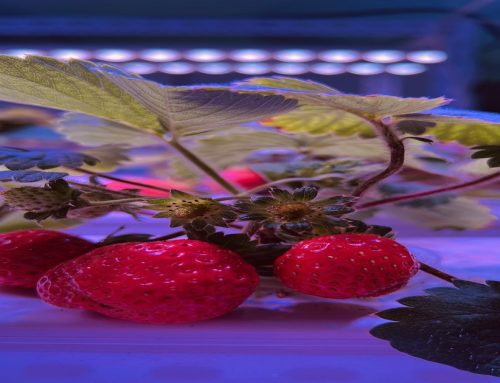
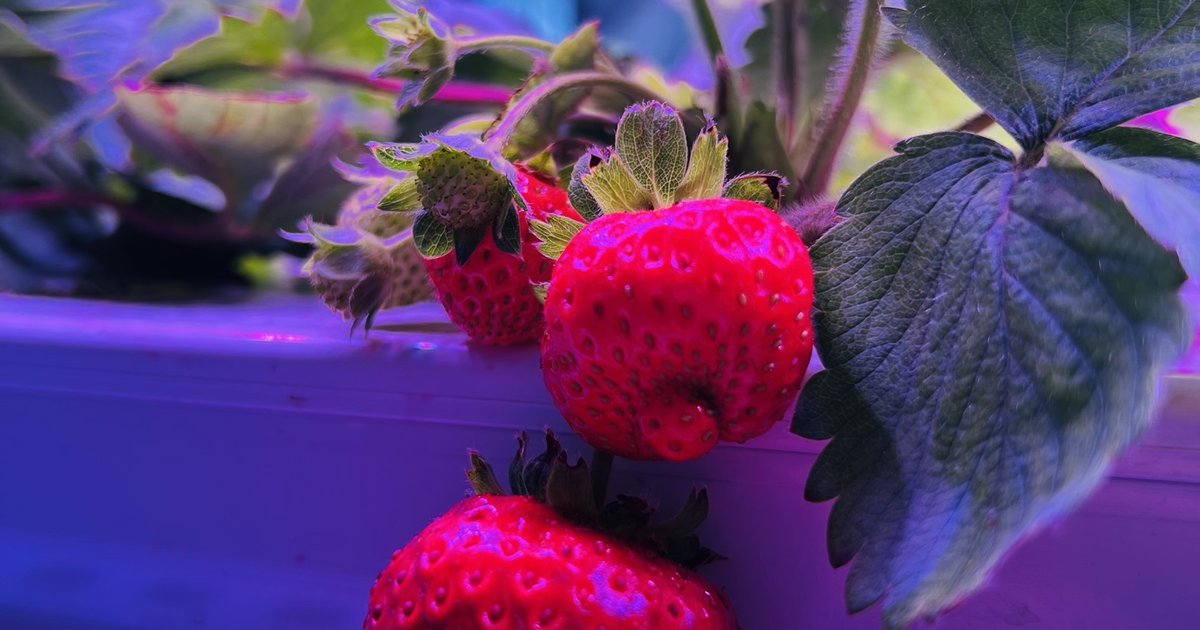
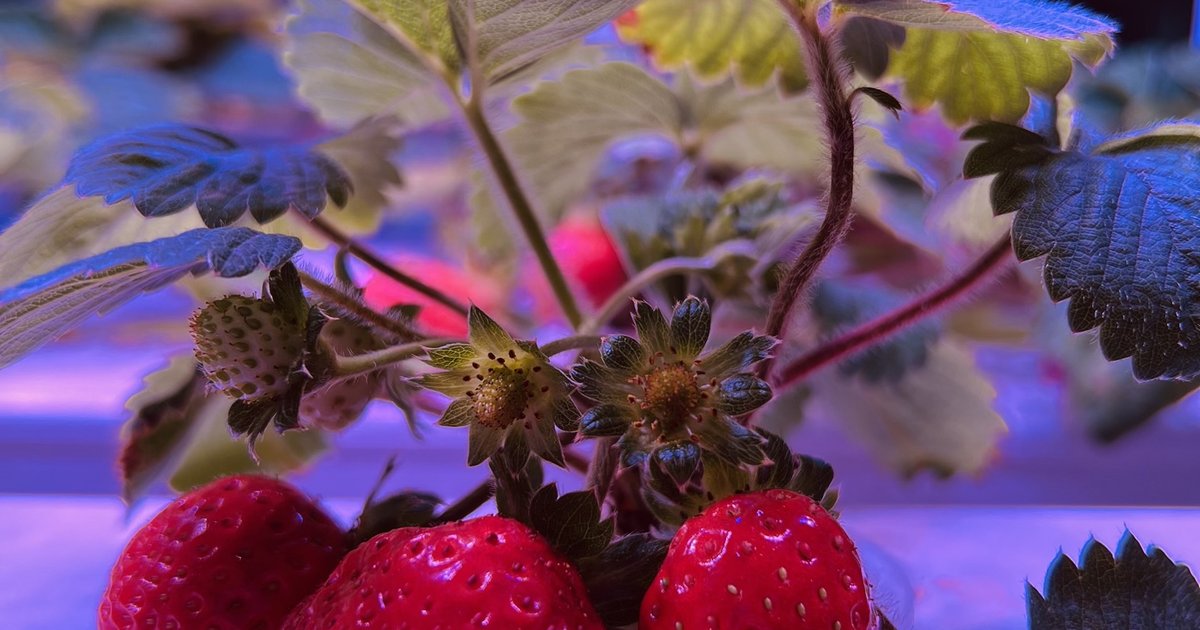
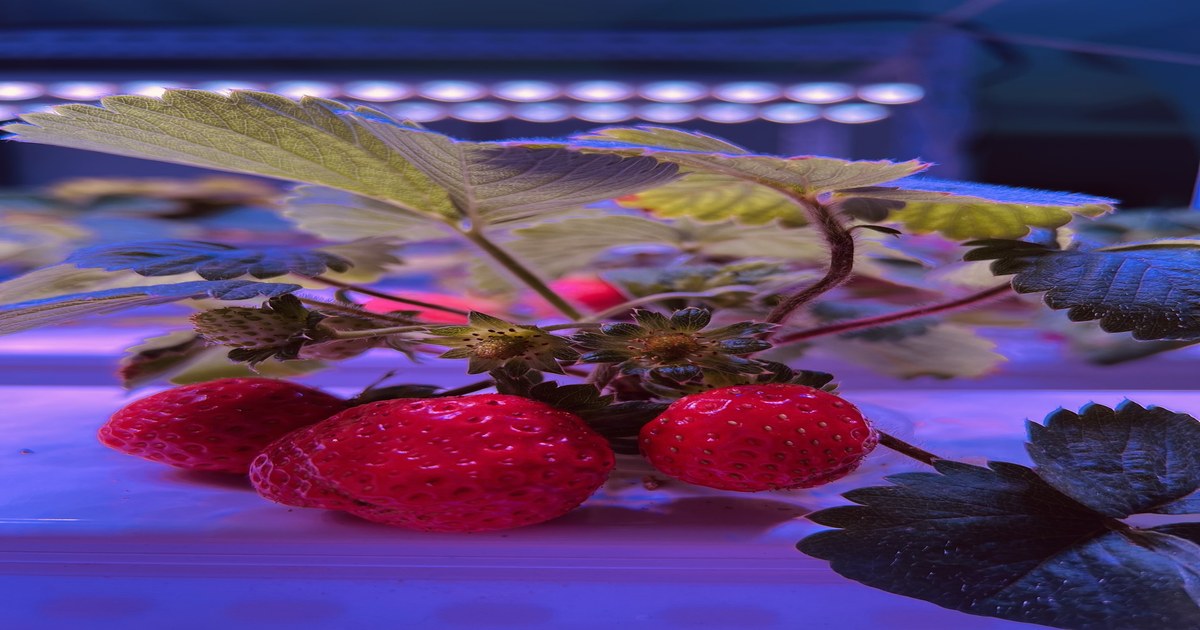
Higher DLI without additional fixtures. Daily Light Integral (DLI) is the total number of photosynthetic photons a plant receives in a day. With 40% more PPFD from the same number of fixtures, growers can achieve higher DLI targets without adding more bars. A vertical farm that was previously limited to DLI 12 can now reach DLI 16-17, opening the door to growing a wider range of crops including fruiting varieties like strawberries and dwarf tomatoes.
Better uniformity means more consistent crops. The even PPFD distribution eliminates the variation in plant size that occurs when some plants receive significantly more light than others. This uniformity is critical for commercial operations that need predictable harvest timing and consistent product quality.
Energy Efficiency Gains
Perhaps the most compelling aspect of the PPFD improvement is that it comes without increasing power consumption. The new G138 maintains the same wattage as the previous version while delivering 40%+ more PPFD. This means the efficacy (umol/J) has improved by the same proportion.
For a commercial vertical farm operating hundreds of light bars across multiple layers, this efficacy improvement translates to significant electricity cost savings. If the farm was previously spending $5,000 per month on lighting electricity, the same PPFD output could now be achieved with roughly 30% fewer bars running, or the same number of bars can deliver substantially more light to the canopy at no additional energy cost.
The G138 series also maintains a power factor greater than 0.9 and supports AC120-277V input, ensuring efficient operation across different electrical systems worldwide. The IP64 waterproof rating and 50,000-hour lifespan remain unchanged, providing the same reliability that growers expect.
How to Verify the PPFD Improvement
Koray Lighting operates a 2,800-square-meter testing facility where every product line is rigorously characterized. PPFD maps are generated using calibrated quantum sensors on a measurement grid, providing accurate spatial distribution data rather than just center-point claims.
Growers who want to verify the performance can request PPFD maps for the specific G138 model and spectrum they are considering. These maps show PPFD values at multiple points across the growing area, allowing operators to calculate the average PPFD and uniformity ratio rather than relying on peak values alone.
Conclusion
The new generation Koray G138 delivers over 40% more PPFD than the previous version, achieved through proprietary secondary optics technology that redistributes light more efficiently across the growing area. This improvement allows commercial growers to achieve faster growth cycles, higher DLI, and better crop uniformity without increasing electricity consumption. Combined with the G138’s IP64 waterproof rating, 50,000-hour lifespan, and multiple spectrum options, the PPFD upgrade makes the G138 one of the most efficient grow light bars available for vertical farming and multi-layer cultivation. Koray Lighting’s 17 years of expertise and 200-plus patents ensure that these performance gains are backed by rigorous science and reliable manufacturing.




Leave A Comment