
Planning the right number of grow lights for your greenhouse is essential for achieving uniform coverage, maximizing crop yields, and managing energy costs effectively. If you are working with a 100 square meter greenhouse and considering the Koray GK-200W, this guide will walk you through the calculations, spacing recommendations, and layout strategies to determine exactly how many fixtures you need.
Understanding Coverage Area and Light Spacing
The number of GK-200W fixtures required for a 100 square meter greenhouse depends on several factors, including your target PPFD level, the type of crops you are growing, the mounting height, and the natural light available in your greenhouse. The GK-200W provides a PPF output of approximately 520 micromoles per second with an efficacy of 2.6 micromoles per joule, making it a powerful and efficient choice for greenhouse supplemental lighting.
At a typical mounting height of 1.5 meters, each GK-200W covers an effective area of approximately 3.0 by 3.0 meters for fruiting crops that require high light intensity, or up to 4.0 by 4.0 meters for light-demanding leafy greens and herbs. The fixture’s Koray secondary optics ensure even light distribution across the entire coverage area, eliminating dark spots between fixtures.

Calculating Fixture Count for Different Crop Types
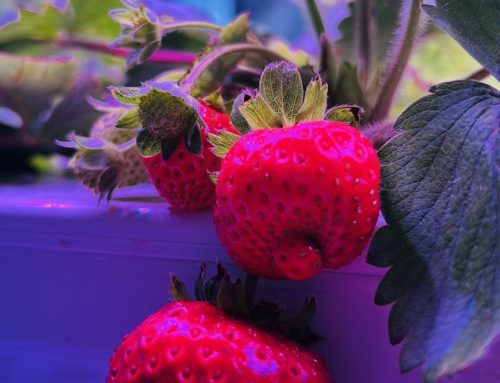
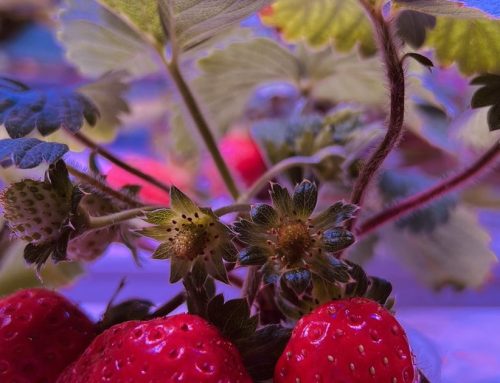
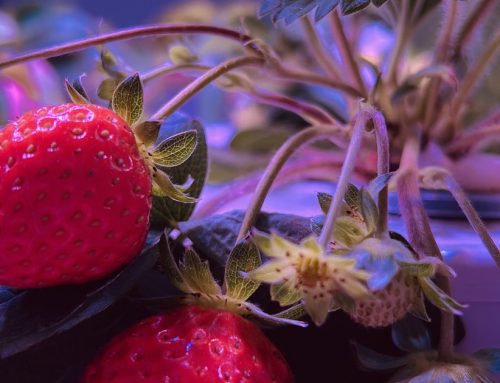
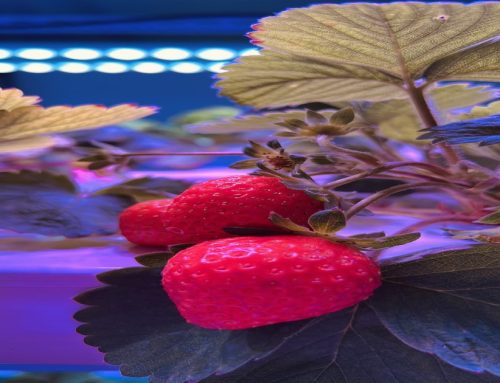
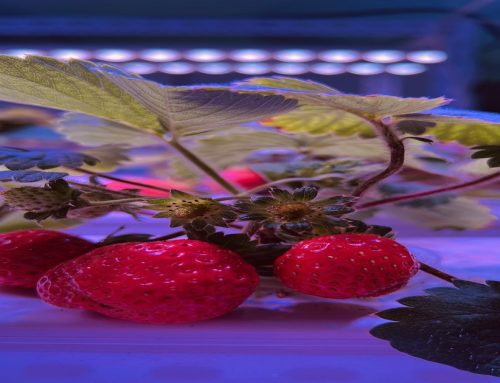
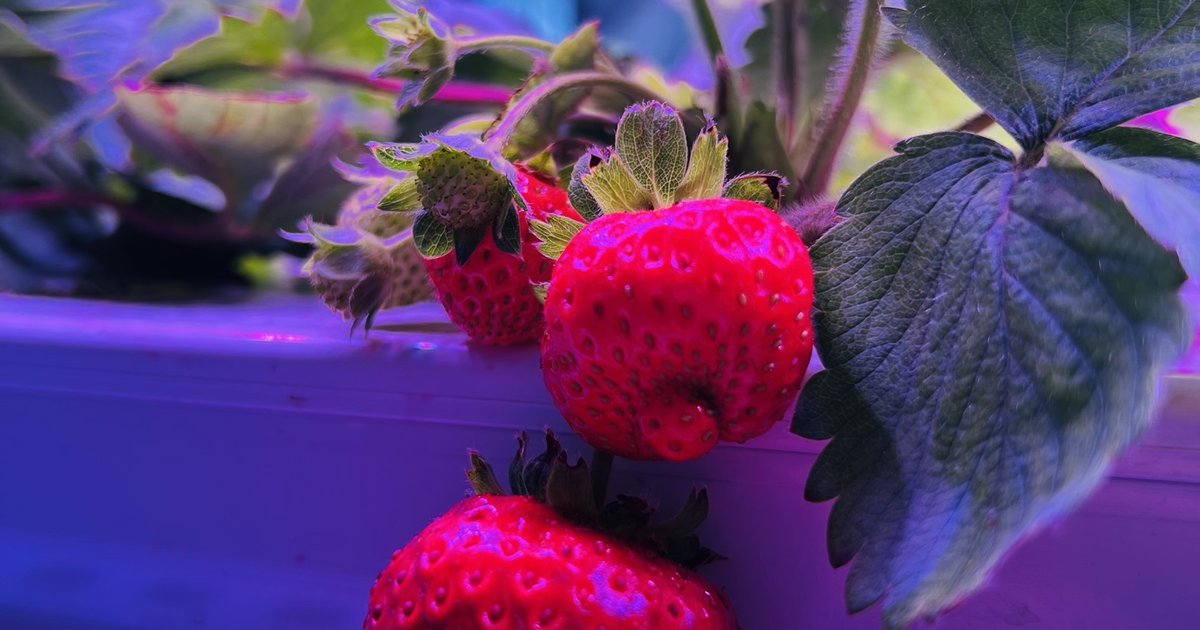
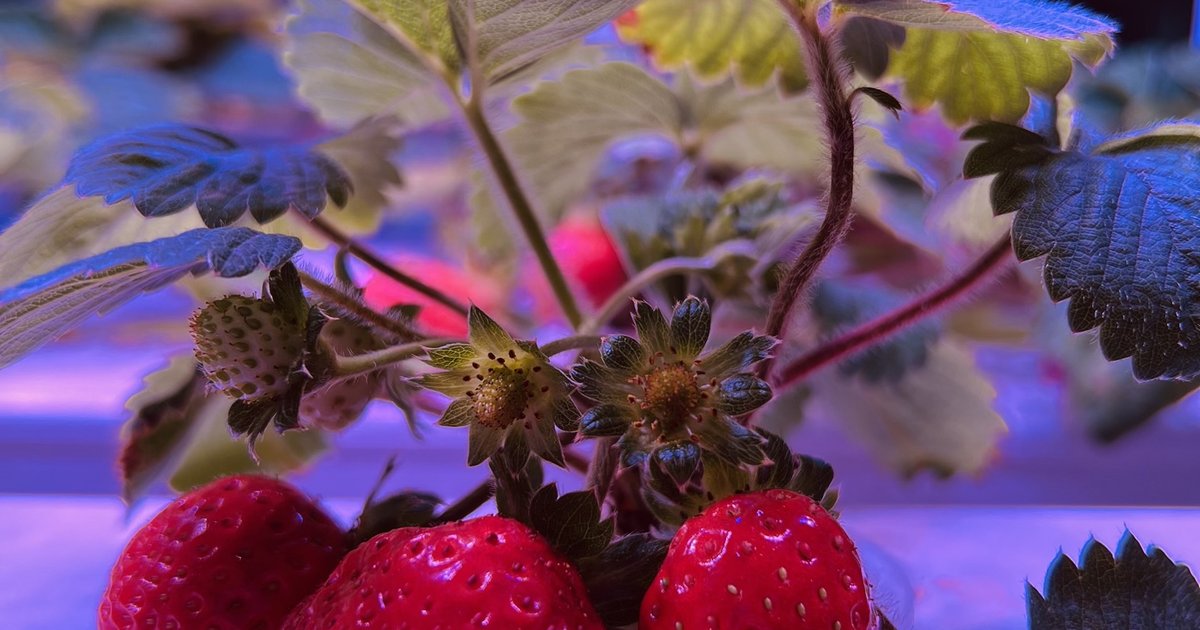
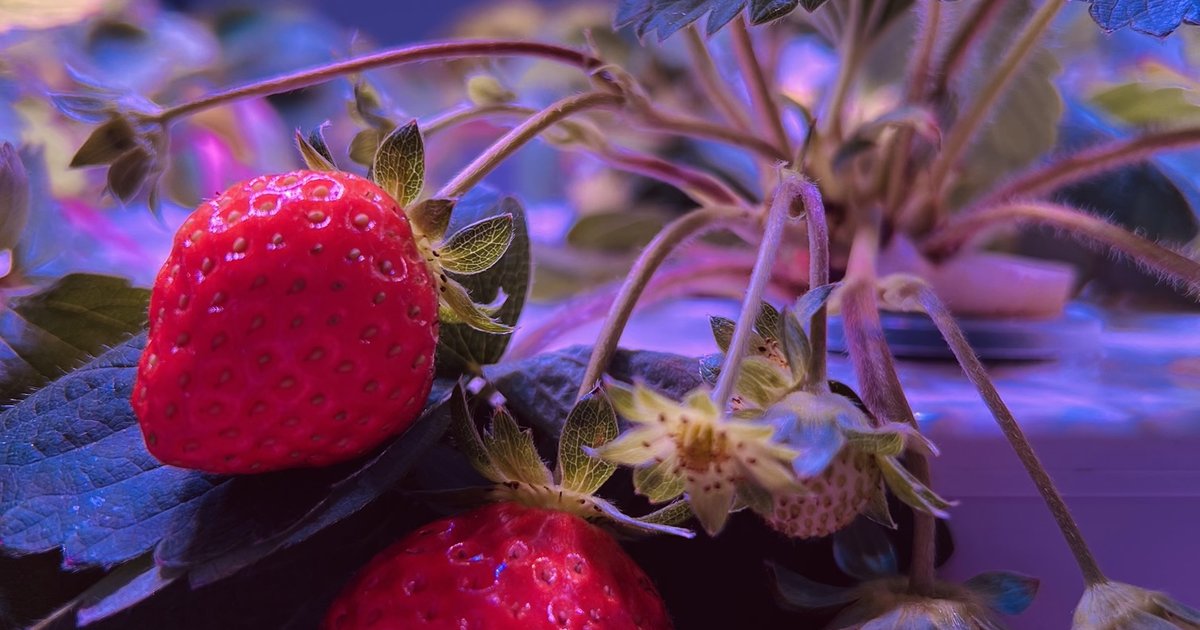
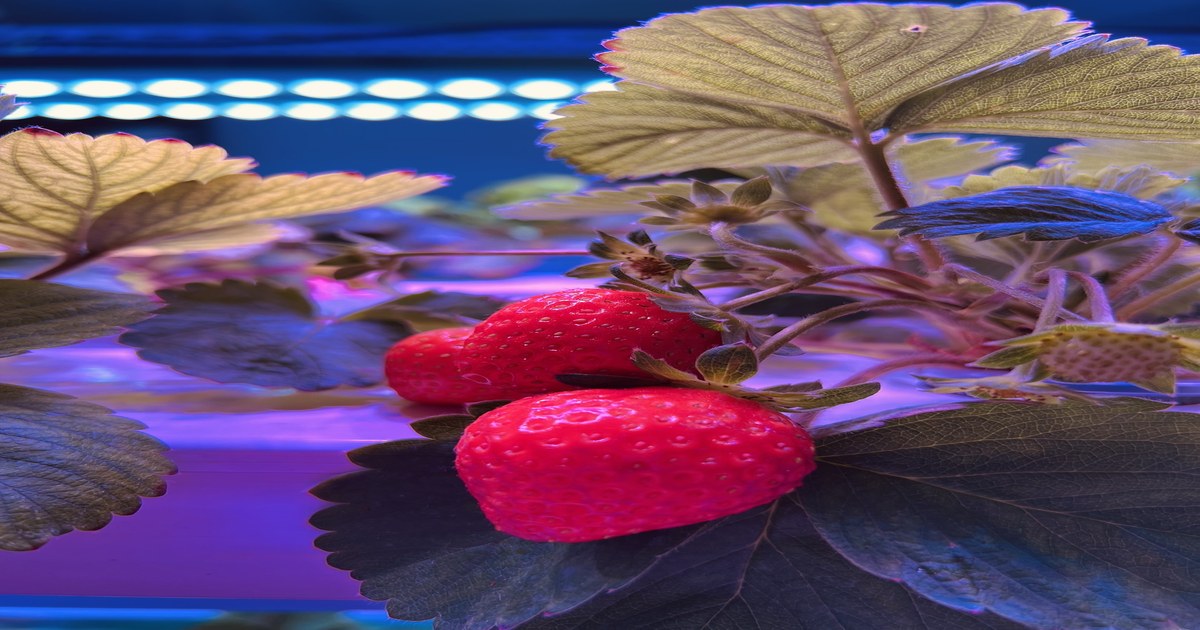
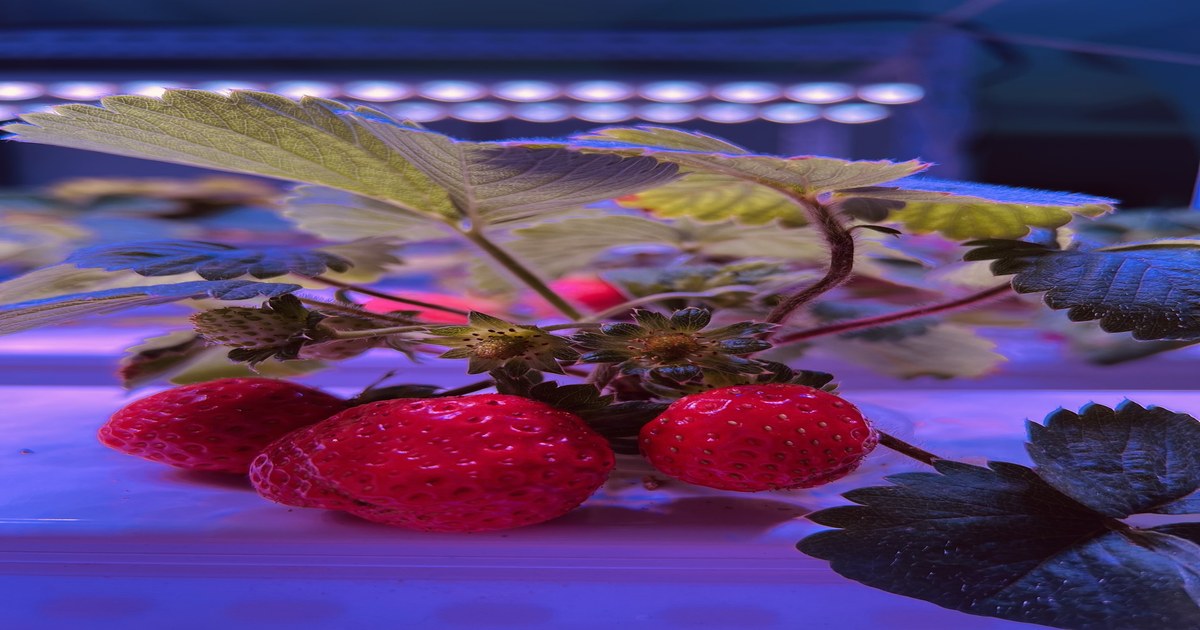
For high-light crops such as tomatoes, peppers, cucumbers, and strawberries, you need a target PPFD of 400 to 600 micromoles per square meter per second at canopy level. At a 1.5-meter mounting height with 3.0 by 3.0 meter spacing, you would need approximately 12 to 16 GK-200W fixtures for a 100 square meter greenhouse. This configuration ensures every plant receives sufficient light for flowering and fruit production.
For medium-light crops such as lettuce, herbs, spinach, and microgreens, a target PPFD of 200 to 350 micromoles per square meter per second is sufficient. With 4.0 by 4.0 meter spacing at 1.5 to 2.0 meters height, you would need approximately 8 to 10 GK-200W fixtures for the same 100 square meter area. This layout provides excellent uniformity while minimizing fixture count and energy consumption.
For seedling and propagation areas where lower light levels of 100 to 200 micromoles per square meter per second are acceptable, you can space fixtures even further apart, potentially requiring as few as 6 to 8 fixtures for the entire 100 square meter space.
Accounting for Natural Light in Greenhouses
Unlike fully enclosed indoor grow rooms, greenhouses benefit from natural sunlight during the day. This means your supplemental lighting does not need to provide the entire DLI requirement on its own. In most climates, natural light contributes 30 to 60 percent of the total DLI during spring and summer months, reducing the number of GK-200W fixtures needed.
During winter months and overcast periods, however, natural light contribution drops significantly, and your supplemental lighting must work harder. Koray Lighting recommends designing your system to meet 100 percent of the crop’s DLI requirement through supplemental lighting alone, ensuring consistent growth year-round regardless of weather conditions. This approach may mean installing a few extra fixtures, but it guarantees reliable production throughout the year.
Recommended Layout Configurations
For a standard 10 by 10 meter greenhouse growing fruiting crops, a 4 by 3 grid layout with 12 GK-200W fixtures spaced 3.0 meters apart in one direction and 3.3 meters in the other provides excellent coverage. This arrangement ensures overlapping light cones that eliminate dark gaps between fixtures.
For leafy green production in the same space, a 3 by 3 grid with 9 fixtures spaced approximately 3.5 meters apart delivers uniform coverage at lower PPFD levels. If your greenhouse is rectangular rather than square, adjust the spacing proportionally while maintaining the same fixture density per square meter.
Koray Lighting’s technical team can create a custom lighting layout for your specific greenhouse dimensions, crop type, and location. This service takes into account your local climate data, greenhouse glazing type, and seasonal light variations to recommend the optimal number and placement of GK-200W fixtures.
Energy Consumption and Cost Considerations
Each GK-200W consumes 200 watts of electrical power. A system of 12 fixtures draws a total of 2,400 watts, or 2.4 kilowatts. If operated for 16 hours per day, the daily energy consumption would be 38.4 kilowatt-hours, costing approximately $4.60 per day at an average electricity rate of $0.12 per kilowatt-hour. Monthly operating costs would be around $138, which is remarkably affordable for the production gains that supplemental lighting provides.
The GK-200W’s efficacy of 2.6 micromoles per joule means you are getting maximum light output for every watt of electricity consumed. Compared to traditional HPS lighting, which typically delivers 1.5 to 1.8 micromoles per joule, the GK-200W provides 44 to 73 percent more light per unit of energy, significantly reducing your operational costs over the fixture’s 50,000-hour lifespan.
With certifications including CE, RoHS, FCC, and ETL, and backed by Koray Lighting’s 17 years of horticultural lighting expertise and 200-plus patents, the GK-200W represents a proven, reliable investment for commercial greenhouse operations of any scale. The fixture’s IP65 waterproof rating ensures dependable performance in the humid greenhouse environment, while the wide AC100-277V input range makes it compatible with electrical systems worldwide.

Leave A Comment