
Moving succulents from a low-light environment, whether a dim corner, a shaded shelf, or a north-facing window, to a properly lit grow light setup is one of the most delicate transitions in succulent care. Unlike many houseplants that adapt quickly to changing light conditions, succulents are particularly sensitive to sudden increases in light intensity. A plant that has been growing in low light for weeks or months has developed thin, light-harvesting leaves optimized for capturing every available photon. Expose those same leaves to intense grow light suddenly, and the result can be photobleaching, leaf scorch, or even plant death.
A gradual, carefully managed transition protects your succulents while allowing their physiology to adapt to the new, higher-light environment. Over a period of two to four weeks, succulent leaves gradually develop thicker cuticles, increased chloroplast density, and the protective pigments needed to handle higher light intensities. This guide walks you through every step of the process, with practical recommendations for grow lights that make the transition as smooth as possible.
Why Succulents Need a Gradual Light Transition
Succulent leaves grown in low light conditions are fundamentally different from those grown in bright light, at the cellular level. Low-light leaves are typically thinner, with larger surface areas designed to capture as much light as possible. They contain fewer protective compounds like anthocyanins and carotenoids, which act as natural sunscreens. The chloroplasts in low-light leaves are positioned to maximize light absorption, but this makes them vulnerable to photoinhibition when suddenly exposed to intense light.
When a low-light succulent is abruptly placed under a powerful grow light, the photosynthetic apparatus becomes overwhelmed. Excess light energy creates reactive oxygen species that damage cell membranes, causing the white or brown patches characteristic of photobleaching. In severe cases, the leaf tissue dies rapidly, creating entry points for fungal and bacterial infections. This is why the transition must be gradual, giving the plant time to produce protective pigments, thicken its cuticle, and reorganize its photosynthetic machinery for the higher light environment.
The good news is that succulents are remarkably resilient when given time to adapt. A plant that has been etiolating under insufficient light can, over the course of several weeks, develop the capacity to handle full-intensity grow light without damage. The key is patience and incremental increases in both light intensity and daily exposure duration.
Assessing Your Succulents Before the Transition
Before beginning the transition, take time to assess the current condition of your succulents. Look for signs of etiolation: stretched stems, widely spaced leaves, pale green or yellow coloration, and leaves that point upward rather than maintaining the compact rosette shape typical of the species. These symptoms indicate the plant has been growing under insufficient DLI and will need careful acclimation.
Also check for any existing damage. Leaves that are already soft, mushy, or showing signs of rot should be removed before the transition, as they will not recover and may harbor pathogens. Healthy leaves, even if pale or slightly stretched, will adapt to the new lighting conditions. If your succulent is severely etiolated with a long, bare stem, consider beheading the rosette and re-rooting it. The new rosette, grown under proper lighting from the start, will develop compact, healthy growth much more attractively than trying to rehabilitate the stretched stem.
Document your plants’ current appearance with photos. This gives you a baseline to track progress during and after the transition, and helps you identify whether changes are improvements or signs of stress.
Week 1: Initial Introduction to Grow Lights
During the first week, your goal is to introduce the succulents to the new light source at the lowest possible intensity and shortest duration. Position your grow light at its maximum recommended distance from the plants, or if the light has a dimming function, set it to 25 percent power. Begin with a photoperiod of just 4 to 6 hours per day, using a timer to ensure consistency.
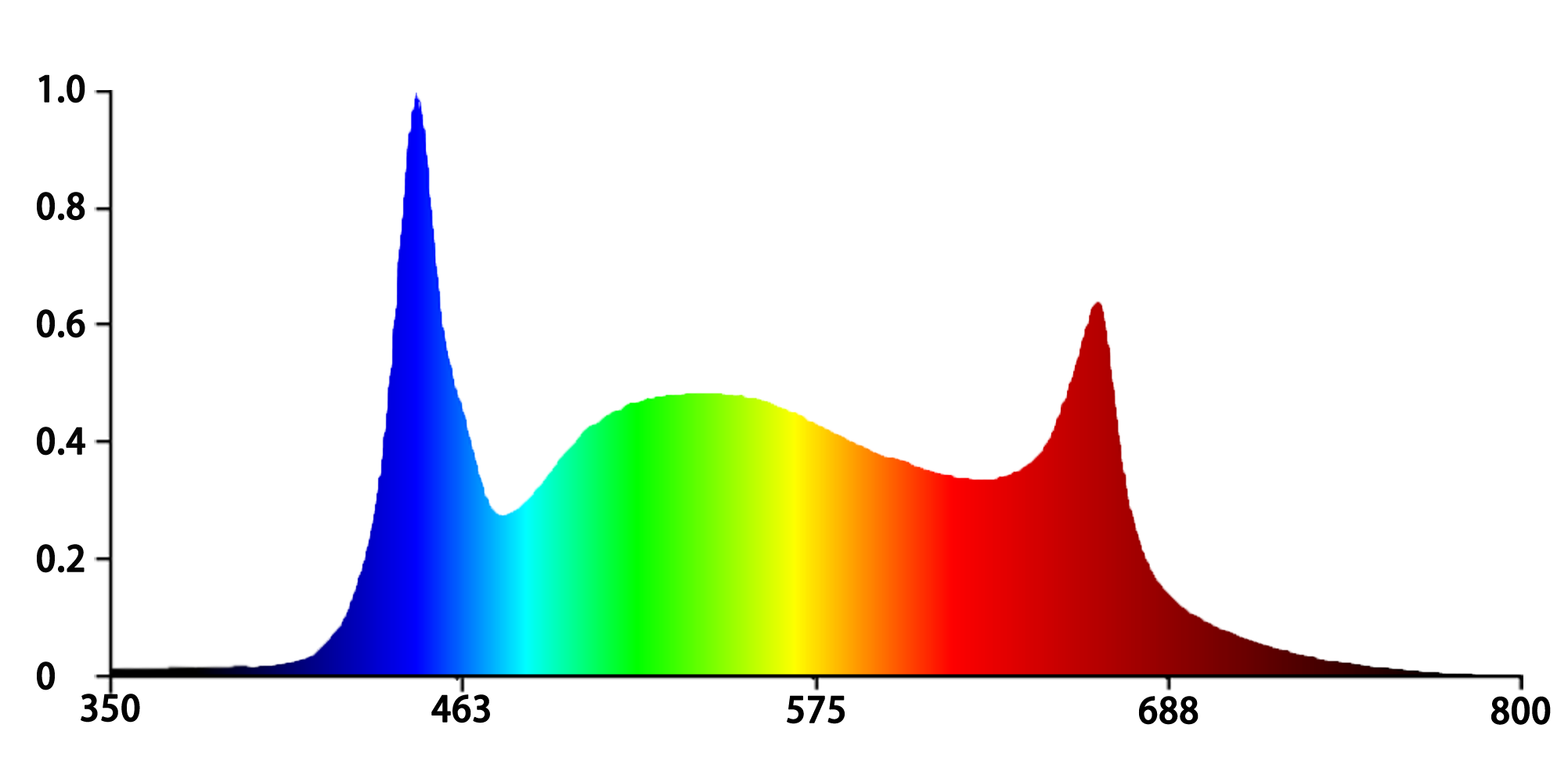
For this initial phase, lights with gentle full-spectrum output work best. The Koray PAR30Z-20W with S91 spectrum is an excellent choice for the transition period. Its warm-white full-spectrum output with Ra95 color rendering provides balanced light that is less likely to cause shock than narrow-spectrum alternatives. The S91 spectrum’s smooth output across all PAR wavelengths mimics natural light, which is gentler on adapting plants. Position the PAR30Z at 0.5 to 0.6 meters above the succulents during week one, delivering approximately 80 to 120 PPFD at the canopy, roughly equivalent to bright indirect window light.
Observe your succulents daily during this first week. They may show no visible response at all, which is normal. Some slight color change, particularly a very gradual pinkish tinge on leaf edges, indicates the plant is beginning to produce protective pigments. This is a positive sign that the acclimation process is underway.
Week 2: Increasing Intensity and Duration
If your succulents show no signs of stress after seven days, increase the daily photoperiod to 8 to 10 hours and either move the light 10 to 15 centimeters closer or increase the dimming to 50 percent. The target PPFD for week two is approximately 150 to 250 μmol/m²/s at the canopy, roughly double the first-week intensity.
This is the phase where you should start seeing the most visible changes. Succulents that were pale green begin to show their species-typical colors. Echeveria may develop pink or red leaf margins. Graptopetalum may shift from pale gray-green to a more luminous blue-lavender. These color changes indicate the plant is producing anthocyanins and carotenoids in response to increased light, a sign of healthy acclimation.
Continue to monitor for any signs of excessive stress. Slight color change and firm leaves are positive indicators. White patches, crispy tips, or sudden leaf drop mean the intensity increase was too aggressive. If this happens, revert to the previous week’s settings and allow another five to seven days before attempting to increase again.
Weeks 3 to 4: Reaching Target Light Levels
By the third week, most succulents are ready for their target photoperiod of 12 to 16 hours and full-intensity light at the recommended mounting distance. Increase the photoperiod to 12 hours and move the light to its normal operating position. For the Koray GE35-120T-K6, this means positioning the bar 0.2 to 0.3 meters above the canopy, delivering 530 to 760 PPFD. For the PAR30Z-20W, the normal distance is 0.2 to 0.3 meters for medium-light succulents.
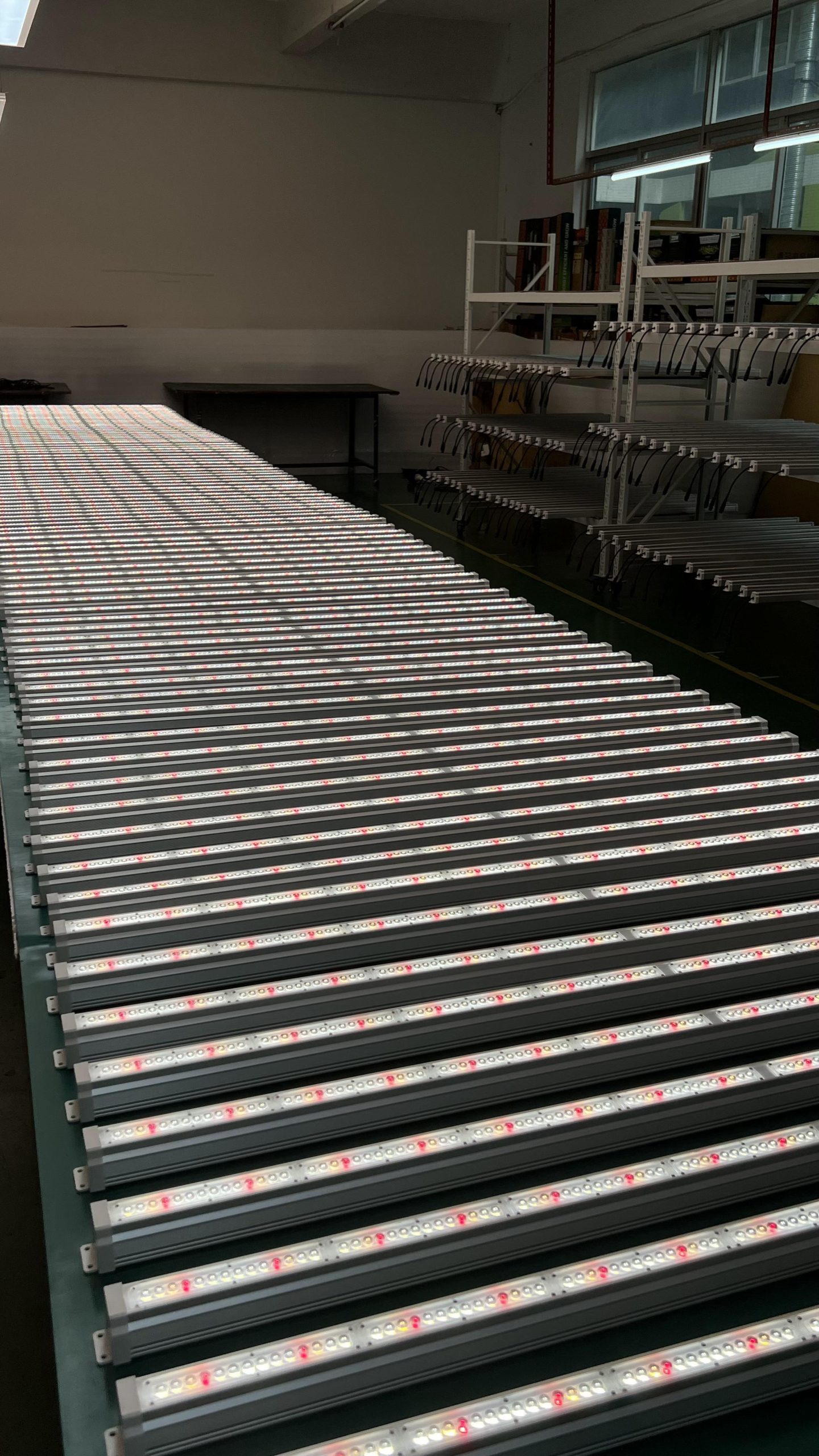
At this stage, you can also switch to more spectrum-specific lights if desired. The GE35-120T-K6 with K6C spectrum provides enhanced red wavelengths that promote the compact growth and vivid coloration succulent collectors prize. The K6C spectrum’s 45D lens concentrates light efficiently, ensuring uniform coverage across your entire succulent display. For commercial growers transitioning large numbers of plants, the GE35 series’ IP64 rating and AC120-277V input make it reliable in any greenhouse or growth room environment.
For home growers who prefer a simpler setup, the T10 floor lamp with F175 spectrum offers a convenient all-in-one solution. Its adjustable tripod stand lets you precisely control the height as your succulents continue to acclimate, and the F175 spectrum provides balanced full-spectrum output suitable for all succulent types. At 0.3m height, the T10 covers a 0.7 × 1.3m area with approximately 146 PPFD, sufficient for most medium-light succulents at 14 to 16 hours daily.
Common Mistakes to Avoid During the Transition
The most common mistake is rushing the process. It is tempting to jump directly to full intensity because you want your succulents to look their best as quickly as possible. But succulent physiology simply cannot adapt that fast. The protective mechanisms, thicker cuticles, increased pigment production, and chloroplast reorganization all require time. Two to four weeks of gradual transition is the minimum for most species.
Another mistake is ignoring the photoperiod and focusing only on intensity. Even at moderate PPFD, running grow lights for 16 or more hours from day one delivers excessive DLI to plants that are adapted to very low daily light totals. Increase both intensity and duration gradually, not just one or the other.
Some growers also make the error of not using a timer. Inconsistent photoperiods, where lights are on for different durations each day, confuse the plant’s circadian rhythm and slow the acclimation process. A simple outlet timer ensures your succulents receive consistent, predictable light schedules throughout the transition and beyond.
Finally, do not neglect other care factors during the transition. Succulents adapting to higher light have increased metabolic activity and may need slightly more frequent watering. Ensure good air circulation to prevent fungal issues, and avoid fertilizing during the first two weeks of transition, as the plant’s priority is adjusting its light-harvesting apparatus rather than processing nutrients.
Transitioning succulents from low light to grow lights is a straightforward process when you follow the principles of gradual acclimation. Start with low intensity and short photoperiods, increase incrementally over two to four weeks, and watch for your plants’ responses. With Koray Lighting’s range of full-spectrum and spectrum-specific grow lights, you have the flexibility to provide exactly the right light quality and quantity at every stage of the transition, ensuring your succulents emerge healthier, more colorful, and more compact than ever before.


Leave A Comment