
Getting the mounting height right is one of the most important factors in achieving optimal plant growth with supplemental lighting. Hang the light too high, and your plants receive insufficient light intensity. Mount it too low, and you risk light burn, uneven coverage, and wasted energy. In this comprehensive guide, we will explain the ideal mounting heights for the Koray GK-200W greenhouse grow light across different growing scenarios, and help you understand the science behind the recommendations.
Understanding PPFD and Why Mounting Height Matters
PPFD, or Photosynthetic Photon Flux Density, measures the number of photosynthetically active photons that reach your plant canopy per square meter per second. It is the single most important metric for determining whether your plants are receiving enough light for photosynthesis. PPFD decreases with distance according to the inverse square law, which means doubling the distance from the light source reduces the intensity to roughly one quarter.
The GK-200W delivers a PPF output of approximately 520 micromoles per second with an efficacy of 2.6 micromoles per joule. At a mounting height of 1.0 meter, the fixture provides an average PPFD of around 500 micromoles per square meter per second across its coverage area. At 1.5 meters, this drops to approximately 300 micromoles per square meter per second, and at 2.0 meters, you can expect around 200 micromoles per square meter per second. Understanding these numbers is key to setting the right height for your specific crop.

Recommended Mounting Heights by Crop Type
Different crops have different DLI, or Daily Light Integral, requirements. The DLI represents the total amount of PAR light a plant receives in a single day, measured in moles per square meter per day. Here are the recommended mounting heights for common greenhouse crops when using the GK-200W.
For leafy greens and herbs such as lettuce, basil, and spinach, which require a DLI of 12 to 17 moles per square meter per day, a mounting height of 1.5 to 2.0 meters is ideal. At this height, the GK-200W provides sufficient PPFD for healthy vegetative growth without excessive energy consumption. The wide beam angle ensures even coverage across the growing area.
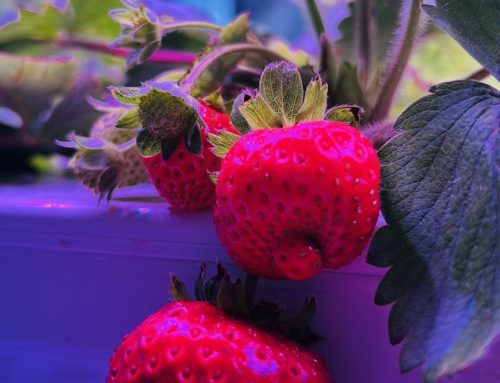
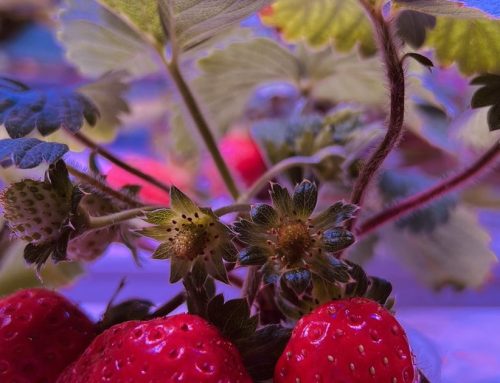
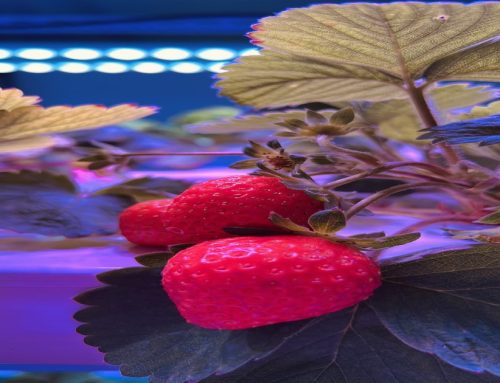
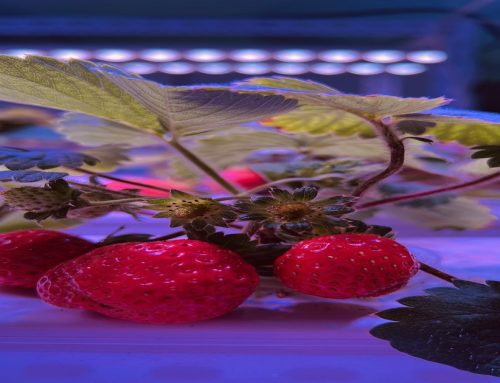
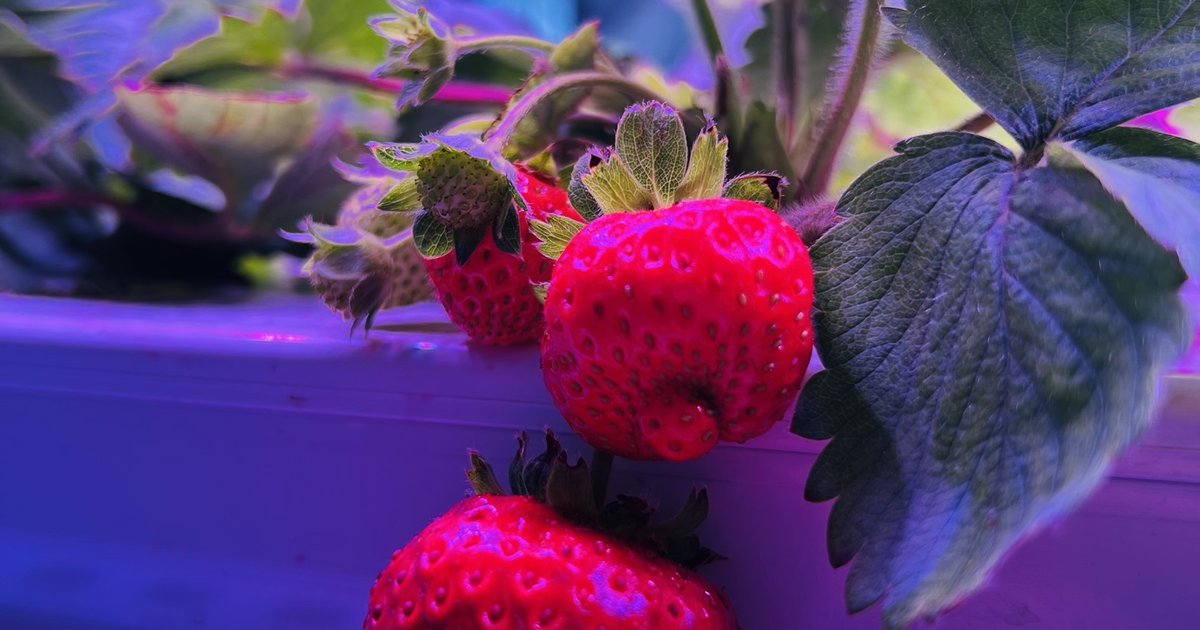
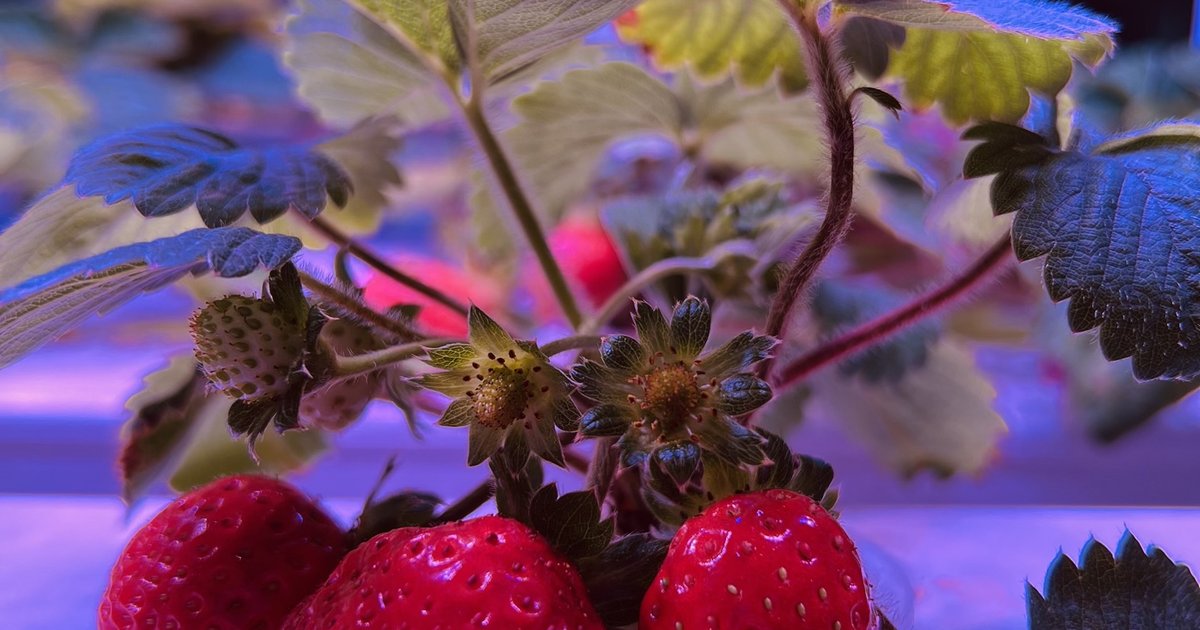
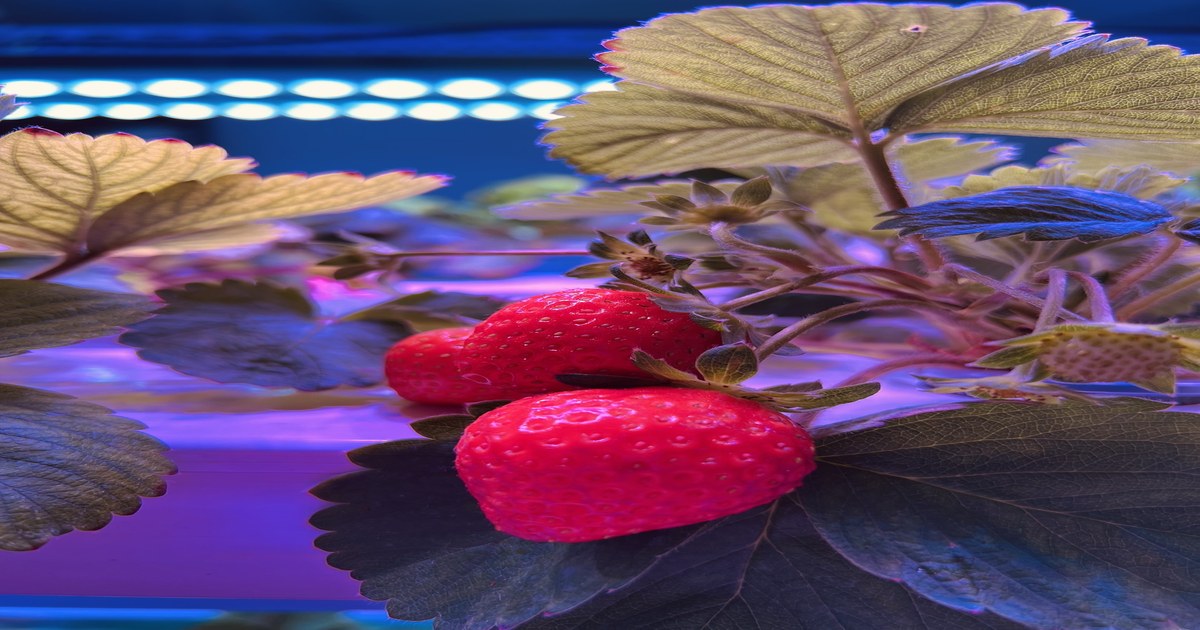
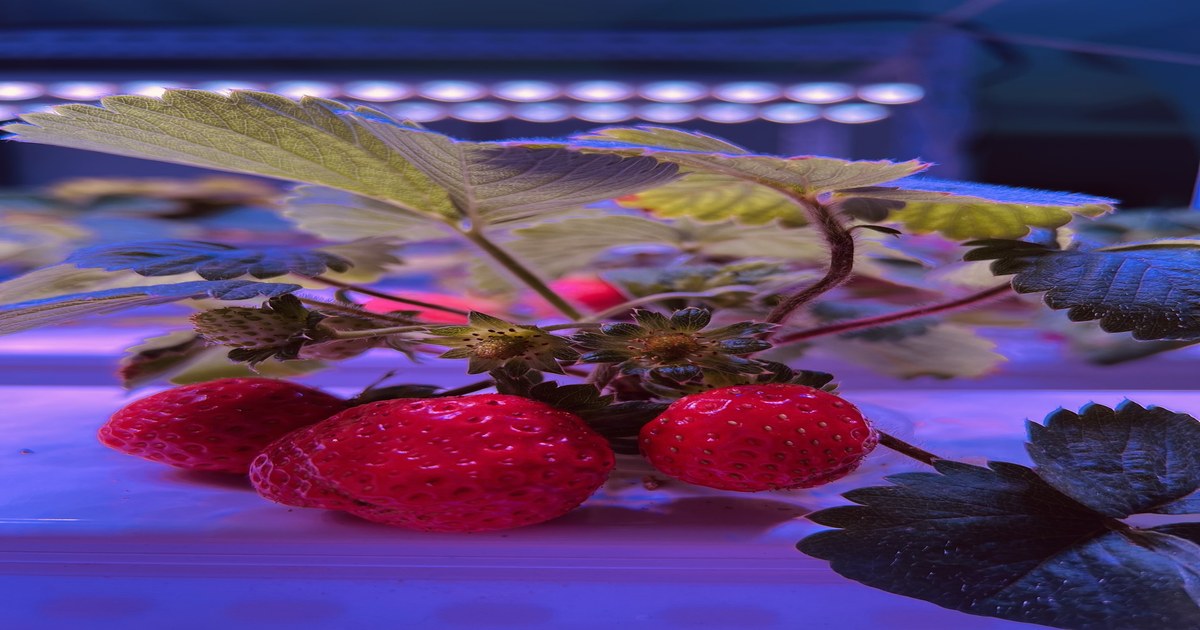
For fruiting crops like tomatoes, peppers, cucumbers, and strawberries, which need a DLI of 20 to 30 moles per square meter per day, a mounting height of 1.0 to 1.5 meters is recommended. This closer positioning delivers the higher PPFD levels these light-demanding crops require for flowering, fruit set, and ripening.
For tall crops and vine crops that may grow over 2 meters in height, such as indeterminate tomatoes, consider mounting the GK-200W at 1.5 to 2.0 meters above the initial canopy level, with the ability to raise the fixture as the plants grow. Some commercial operations use adjustable cable systems or track-mounted setups to accommodate changing crop heights throughout the growing season.
The Role of Koray Secondary Optics in Height Flexibility
One of the key advantages of the GK-200W is Koray Lighting’s proprietary secondary optics system. Unlike basic grow lights that produce a concentrated hotspot in the center with falloff at the edges, the GK-200W distributes light evenly across its entire coverage area. This means that even at higher mounting positions, the light uniformity remains consistent, eliminating the dry spots and uneven growth that plague inferior fixtures.
This optical engineering also means the GK-200W can be mounted slightly higher than competing fixtures while delivering the same effective PPFD at the canopy level. For greenhouse operators who need to accommodate tall equipment, overhead irrigation systems, or worker clearance, this additional mounting flexibility can be a significant operational advantage.
Practical Installation Tips
When installing the GK-200W in your greenhouse, start by measuring the distance from your intended mounting point to the top of the plant canopy. Remember that as plants grow, this distance will change, so plan for adjustability. Use a PPFD meter to verify the actual light levels at canopy height after installation, and adjust the mounting height as needed.
The GK-200W supports AC100-277V input, making it compatible with standard greenhouse electrical systems worldwide. Its power factor exceeds 0.9, ensuring efficient use of electrical power regardless of your supply voltage. The fixture’s 50,000-hour rated lifespan means you can expect many years of reliable service at any recommended mounting height.
For a 100 square meter greenhouse, Koray Lighting recommends a grid layout with fixtures spaced approximately 3.0 to 4.0 meters apart, depending on the mounting height and target PPFD. This spacing ensures overlapping coverage and uniform light distribution across the entire growing area. Koray Lighting’s technical support team can provide a custom lighting layout based on your specific greenhouse dimensions and crop requirements.



Leave A Comment