
Greenhouse Grow Light Planning: How a 200W Top Light Covers 3m Diameter
The Challenge: Supplemental Light Without Overbuilding
In northern latitudes or during winter months, natural greenhouse light drops below the 8–12 mol/m²/day DLI that fruiting crops demand. The traditional answer — 400W or 600W HPS fixtures — works but wastes 60% of input energy as heat and requires expensive ballast infrastructure. Modern LED top lights like the Koray GK-200W deliver the same canopy PPFD at half the wattage, with a round Ø360 mm form factor that distributes light more evenly than a point-source HPS bulb.
This article walks through the photometric data, coverage geometry, and practical installation planning for the GK-200W so you can size a lighting plan with confidence.
Product at a Glance: GK-200W Series
| Parameter | GK-200W-F175 (Universal) | GK-200W-K6 (Flowering) |
|---|---|---|
| Dimensions | Ø360 × 123 mm | Ø360 × 123 mm |
| Spectrum | F175 full spectrum | K6 flowering-enhanced |
| Power | 200W, AC100–277V, PF > 0.9 | 200W, AC100–277V, PF > 0.9 |
| PPF | 560 µmol/s | 480 µmol/s |
| Efficacy | 2.8 µmol/J | 2.4 µmol/J |
| PPFD @0.5m | 960 µmol/m²/s | 830 µmol/m²/s |
| PPFD @1m | 250 µmol/m²/s | 220 µmol/m²/s |
| PPFD @1.5m / 2m | ~110 / 70 µmol/m²/s | 100 µmol/m²/s @1.5m |
| IP Rating | IP65 | |
| Operating Temp | −10 °C to 35 °C | |
| Lifespan | 50,000 hours | |
| Certifications | CE / RoHS / FCC | |
Coverage Geometry: From 0.5m to 2m Mounting Height
The GK-200W uses a wide-angle lens array designed for top-lighting. Coverage diameter at 50% of center PPFD:
| Mounting Height | Coverage Diameter (50% center) | Approx. Area | Center PPFD (F175) |
|---|---|---|---|
| 0.5 m | Ø 0.75 m | 0.44 m² | 960 µmol/m²/s |
| 1.0 m | Ø 1.5 m | 1.77 m² | 250 µmol/m²/s |
| 1.5 m | Ø 2.2 m | 3.80 m² | ~110 µmol/m²/s |
| 2.0 m | Ø 3.0 m | 7.07 m² | 70 µmol/m²/s |
Sizing a Lighting Plan: Step-by-Step
- Define your DLI target. Strawberry: 12–17 mol/m²/day. Tomato: 15–25 mol/m²/day. Lettuce: 10–14 mol/m²/day.
- Measure natural DLI. Use a light sensor over 7 days in the darkest month. A typical Dutch winter greenhouse delivers 4–7 mol/m²/day.
- Calculate supplemental DLI needed. Example: Target 15 mol − Natural 5 mol = 10 mol supplemental.
- Convert to average PPFD. 10 mol over 16 hrs = 10,000,000 µmol ÷ 57,600 s ≈ 174 µmol/m²/s average.
- Determine fixture density. At 1.5 m height, GK-200W-F175 delivers ~110 µmol/m²/s center over 3.8 m². With overlapping layouts, plan 1 fixture per 3–4 m² for 150–200 µmol/m²/s average.
- Lay out on a grid. For a 12 m × 50 m greenhouse (600 m²): 600 ÷ 3.5 ≈ 172 fixtures. Arrange in rows aligned with crop rows, 1.8 m between fixtures in-row, 2 m between rows.
Crop-Specific Recommendations
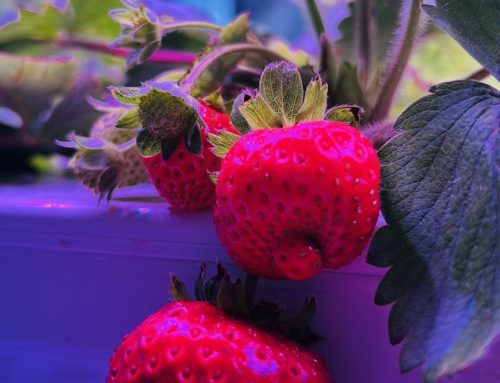
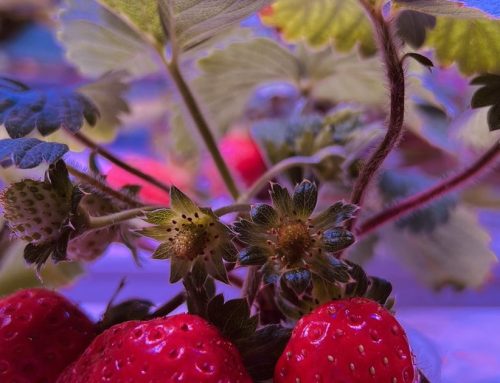
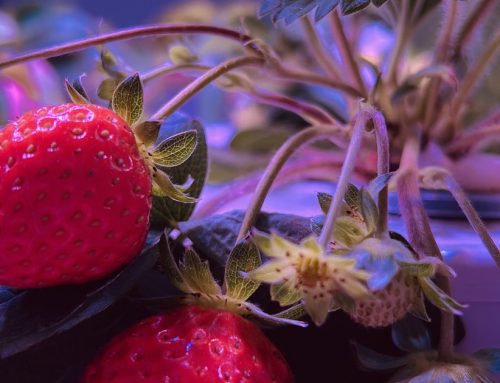
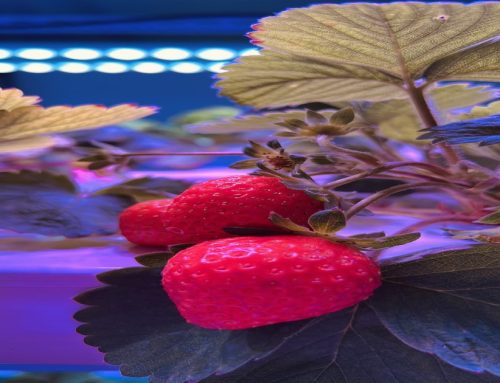
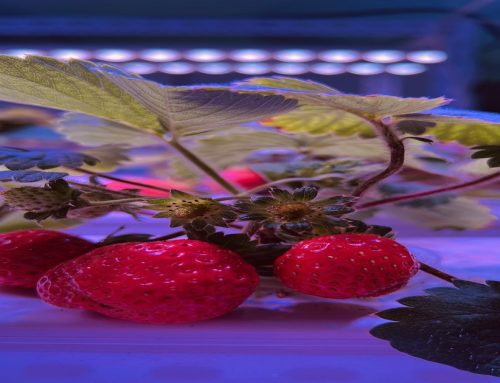
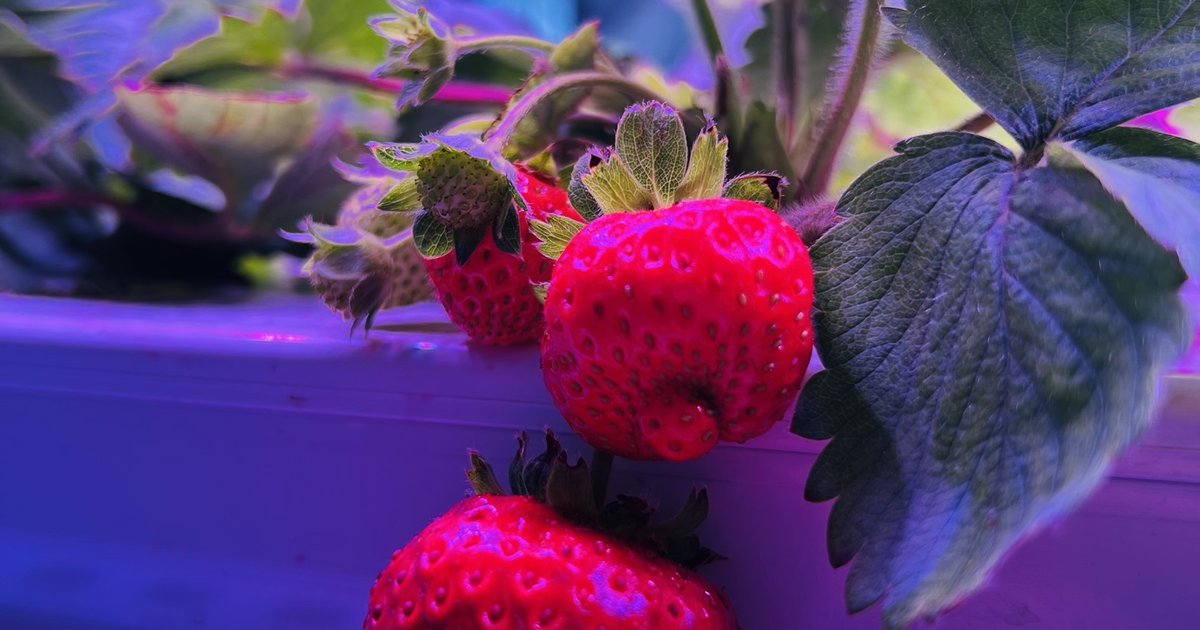
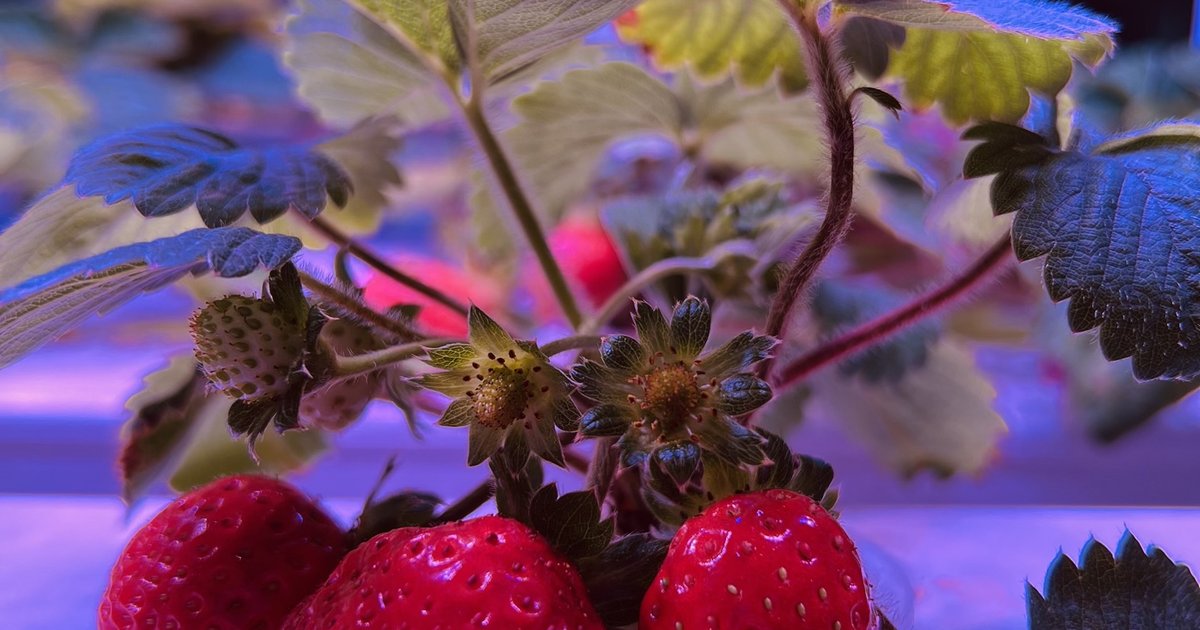
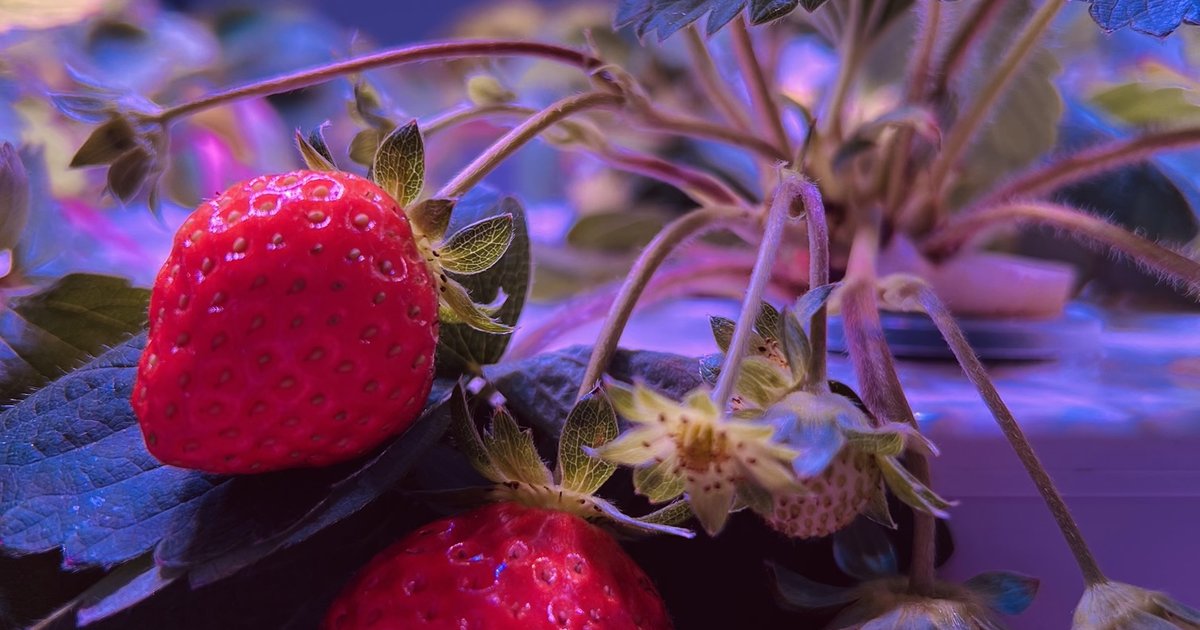
Strawberry Greenhouse (Gutter 4–6 m, Crop at 1–1.5 m)
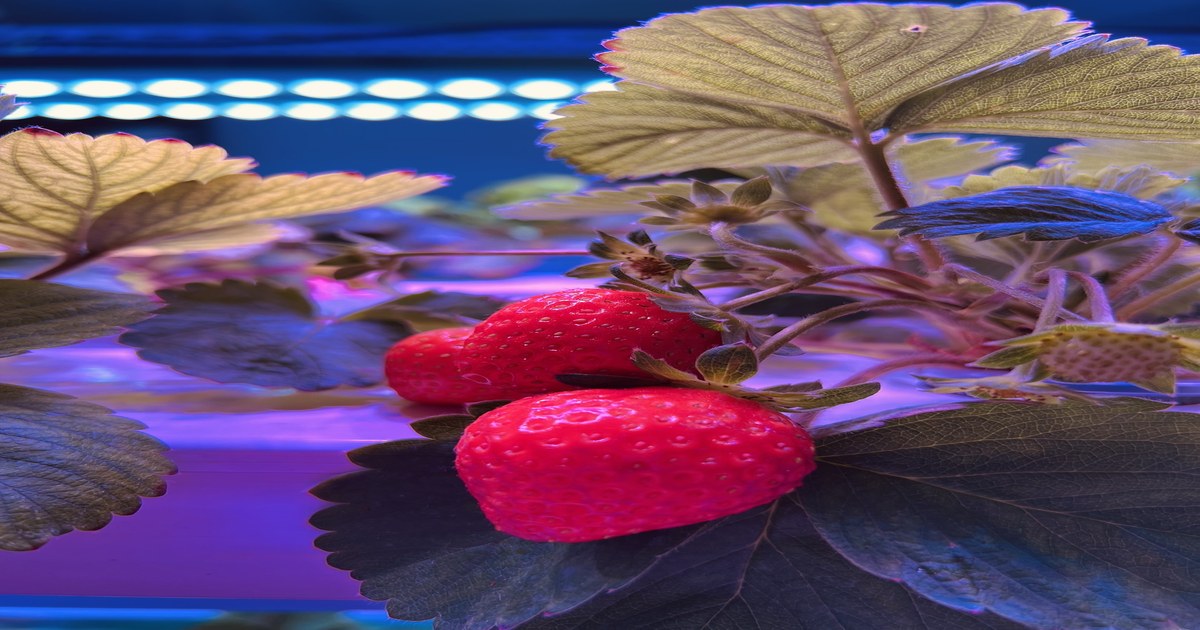
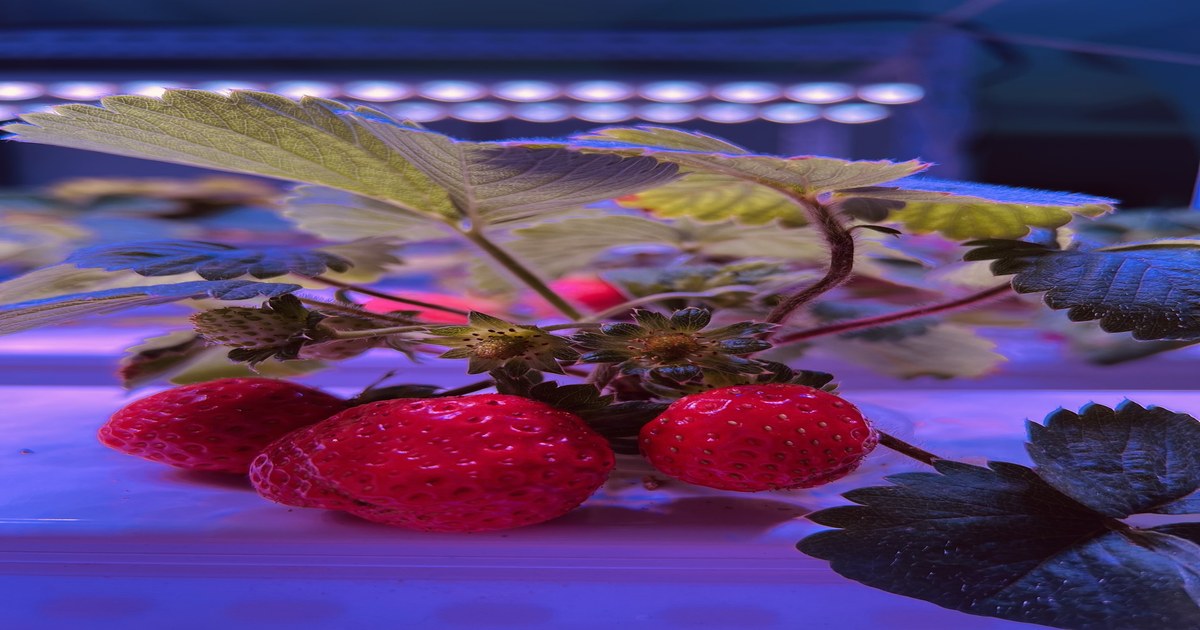
Use GK-200W-K6 at 1.0–1.5 m above canopy. The K6 flowering spectrum with enhanced far-red promotes fruit set and brix accumulation. Target 200–300 µmol/m²/s at canopy for 14–16 hr photoperiod. Layout: 1 fixture per 2.5–3 m² in a staggered grid.
Tomato High-Wire (Gutter 6–8 m, Crop Head at 2–3 m)
Use GK-200W-F175 mounted at gutter level (2–2.5 m above crop head). At this height the wide beam covers Ø3 m per fixture. Supplement 80–120 µmol/m²/s to extend DLI in winter. Combine with inter-lighting for lower canopy if needed.
Leafy Vegetable / Herb Bench (Crop at 0.8–1.2 m)
Use GK-200W-F175 at 1.0 m above bench. Delivers 250 µmol/m²/s center — ideal for lettuce, basil, and spinach targeting 12–15 mol DLI. Space fixtures 1.5 m apart in a square grid for uniform overlap.
5-Year Total Cost of Ownership
| Cost Item | GK-200W LED (per fixture) | 400W HPS Equivalent |
|---|---|---|
| Fixture cost (est.) | — | — |
| Annual energy (16 hrs/day, 365 d) | 1,168 kWh | 2,336 kWh |
| Annual energy cost @ $0.10/kWh | $116.80 | $233.60 |
| 5-year energy cost | $584.00 | $1,168.00 |
| Lamp/driver replacement (5 yr) | 0 (50k hrs) | 2–3 HPS bulbs + 1 ballast |
| Replacement parts cost (est.) | $0 | $80–$150 |
| Cooling load reduction | Saves ~$40/yr (less heat) | — |
| 5-year TCO (energy + parts) | ~$584 | ~$1,250–$1,320 |
Energy savings per fixture: ~$666 over 5 years. For a 172-fixture greenhouse, that totals ~$114,500 in avoided energy and maintenance costs.
Installation Guide
- Mounting: Suspend from greenhouse gutter cables or aluminum cross-bars using the integrated hanging brackets. Minimum 2 attachment points per fixture. Use stainless steel carabiners for easy height adjustment.
- Wiring: AC100–277V universal input — no transformer needed. Daisy-chain up to 8 fixtures per 14 AWG circuit (16A @ 120V) or 16 fixtures per circuit at 277V. Use IP65-rated cable glands at each connection.
- Spacing: Follow the coverage table. For overlapping uniformity, space fixtures at 70–80% of coverage diameter (e.g., 1.5 m apart at 2 m height).
- Controls: Connect to a greenhouse climate computer via 0–10V or relay. Group fixtures in zones of 20–30 for staged dimming based on natural light sensors.
- Safety: Ensure all circuits have RCD/GFCI protection. Ground each fixture to the greenhouse steel structure. Maintain 30 cm clearance from poly or glass covering.
Common Planning Mistakes
- Over-relying on center PPFD. The 960 µmol/m²/s at 0.5 m is a center-point value. For layout planning, use the 50%-coverage diameter and overlap adjacent fixtures.
- Ignoring natural light contribution. Supplemental lighting should fill the gap between natural DLI and crop target — not provide the full DLI. Oversizing wastes capital and energy.
- Wrong spectrum for the crop phase. Using K6 (flowering) on lettuce adds cost without benefit. Match F175 to vegetative crops and K6 to fruiting/flowering phases.
- Mounting too low in high-wire crops. In tomato greenhouses with 3 m crop height, mounting at 1 m above the floor puts the light inside the canopy. Always reference height above the crop head.
- Skipping the lighting plan. Guessing fixture count leads to dark zones or over-lit patches. Use the coverage table and a simple grid calculation before ordering.
Frequently Asked Questions
At 1.5 m mounting height each GK-200W covers approximately Ø2.2 m (3.8 m²) at 50% center PPFD. For supplemental lighting targeting 100–150 µmol/m²/s average, plan roughly 1 fixture per 4–5 m², or 200–250 fixtures per 1000 m². Exact layout depends on crop DLI target and natural light contribution.
Yes. The GK-200W at 2.8 µmol/J efficacy delivers comparable canopy PPFD to a 400W HPS while drawing half the power. Its Ø360 mm round form factor mounts to the same trellis cables or cross-bars used for HPS fixtures. No structural modification is typically needed.
The GK-200W is rated IP65 — fully dust-tight and protected against water jets from any direction. It operates reliably in 90%+ relative humidity typical of tomato and strawberry greenhouses. Operating temperature range is −10 °C to 35 °C.
F175 is a universal full-spectrum recipe (PPF 560 µmol/s) suitable for leafy vegetables, herbs, and general supplemental lighting. K6 is a flowering-optimized spectrum (PPF 480 µmol/s) with enhanced red for fruiting crops like strawberry and tomato during generative phases.
Rated lifespan is 50,000 hours (approximately 11 years at 12 hrs/day). Maintenance is minimal: inspect cable glands annually, clean the polycarbonate lens every 3–6 months in dusty environments, and verify PPFD output with a quantum sensor once per growing season.
The standard GK-200W is on/off. For dimming applications, specify the 0–10V dimmable driver variant at order. This allows integration with greenhouse climate controllers for sun-tracking supplemental strategies.
About Koray Grow Lights
Koray Grow Lights manufactures professional horticultural LED fixtures for greenhouse, vertical farm, and indoor growing applications. The GK-200W series is engineered for commercial greenhouse supplemental lighting with wide-beam optics, universal voltage input, and IP65 environmental protection. All products carry CE, RoHS, and FCC certifications. For lighting plans, photometric files (IES), and volume pricing, visit koraylights.com.
GK-200W
commercial growing
strawberry
© 2026 Koray Grow Lights. PPFD and coverage data from Koray laboratory measurements (center-point, clear-air conditions). Actual field performance varies with mounting geometry, reflector surfaces, and ambient conditions. This article is informational and does not constitute an engineering specification. Consult Koray technical team for project-specific lighting plans.

Leave A Comment