
Understanding Heat Output in LED Grow Lights
When selecting grow lights for indoor farming, heat management is one of the most critical factors affecting both plant health and operational costs. Traditional lighting technologies like high-pressure sodium (HPS) and metal halide lamps convert the majority of their electrical energy into infrared radiation rather than usable photosynthetic light. This creates a significant thermal burden on the growing environment, requiring expensive air conditioning and ventilation systems to maintain optimal plant temperatures.
The Koray Lighting GE35 series represents a fundamentally different approach. As a high-efficiency LED grow light bar designed for commercial plant factories and vertical farming systems, the GE35 converts a much larger proportion of its energy input into photosynthetically active radiation (PAR). This article examines the thermal characteristics of the GE35 series in detail, providing growers with the data they need to design efficient climate control systems.
GE35 Series Power Consumption and Energy Conversion
The GE35 series includes multiple models ranging from 30W to 80W power consumption. The most popular models for vertical farming include the GE35-120-V6 (52W, 3.5 umol/J efficiency), the GE35-120T-V6 (52W with lens, 3.2 umol/J), the GE35-120T-F175 (60W, optimized for strawberries and vegetables), and the GE35-120T-K6 (80W, enhanced red spectrum for flowering plants).

With PPE (photosynthetic photon efficacy) ratings between 2.9 and 3.5 umol/J, the GE35 series converts approximately 50-55% of its electrical input into photosynthetic photons. The remaining 45-50% becomes waste heat, which is dissipated through the aluminum housing via passive convection. To put this in perspective, a 52W GE35-120-V6 generates roughly 23-26W of thermal energy. Compare this to a 400W HPS lamp that produces 240-280W of heat, and the difference becomes dramatic: the GE35 produces approximately 90% less heat per unit of usable light delivered to the canopy.
Thermal Design of the GE35 Housing
The GE35 features a compact aluminum alloy housing with a cross-section of just 38x40mm. Despite its small profile, this housing is engineered as an integrated heatsink with optimized fin geometry for maximum natural convection. The aluminum material provides excellent thermal conductivity (approximately 200 W/m-K), rapidly transferring heat from the LED chips and drivers to the outer surface where it dissipates into the surrounding air.
Koray Lighting’s proprietary secondary optics technology plays a key role in thermal management. By using precisely engineered lenses and reflectors, the GE35 eliminates the center hotspot problem common in LED grow lights. Without a concentrated thermal hotspot, the heat is distributed evenly across the entire length of the bar (606mm to 1200mm depending on model). This uniform thermal profile means no single point on the housing becomes excessively hot, and the temperature gradient along the bar remains within 5-8 degrees Celsius under normal operating conditions.
Real-World Temperature Measurements
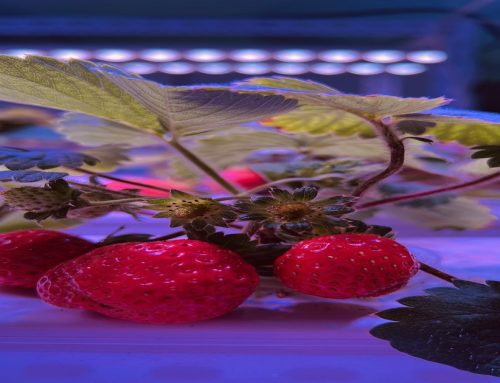
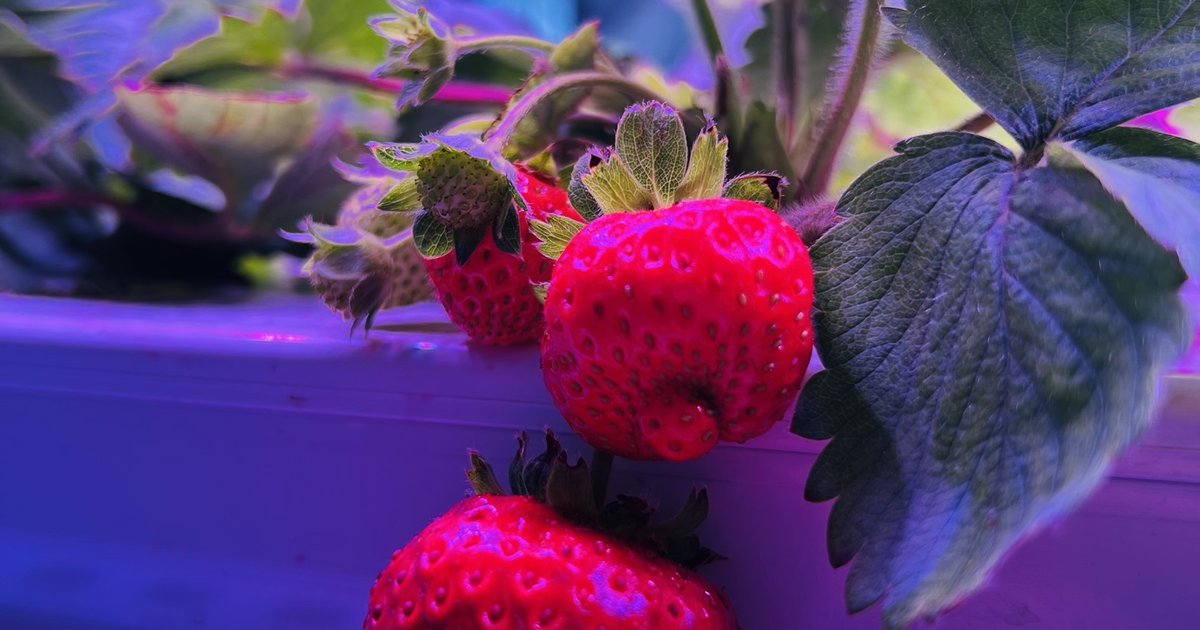
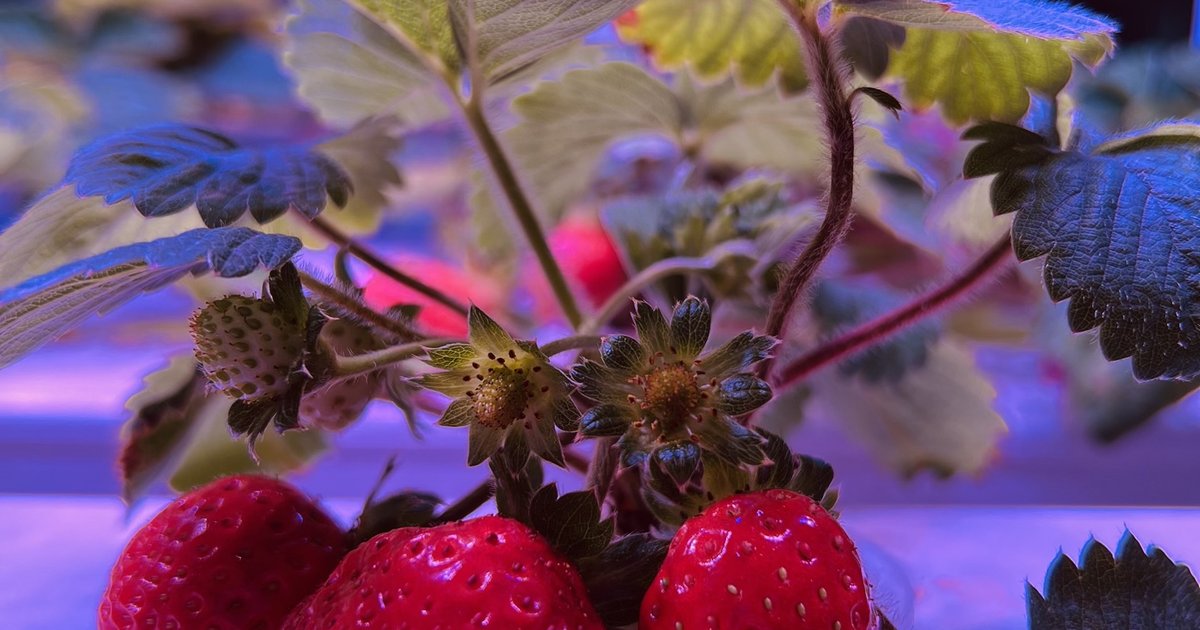
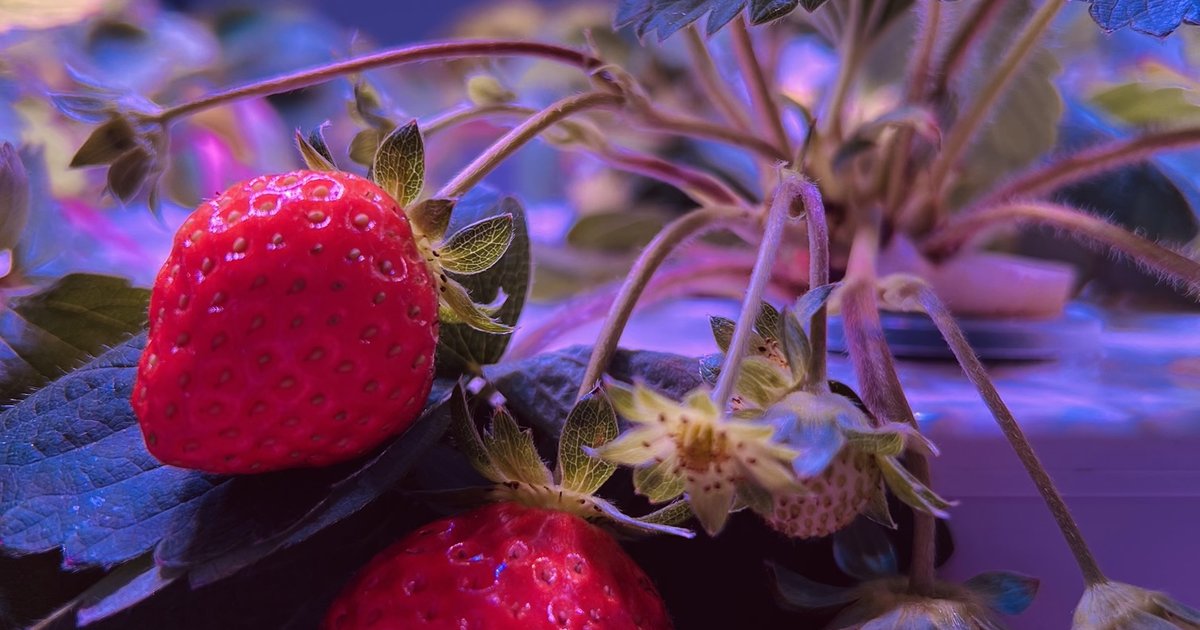
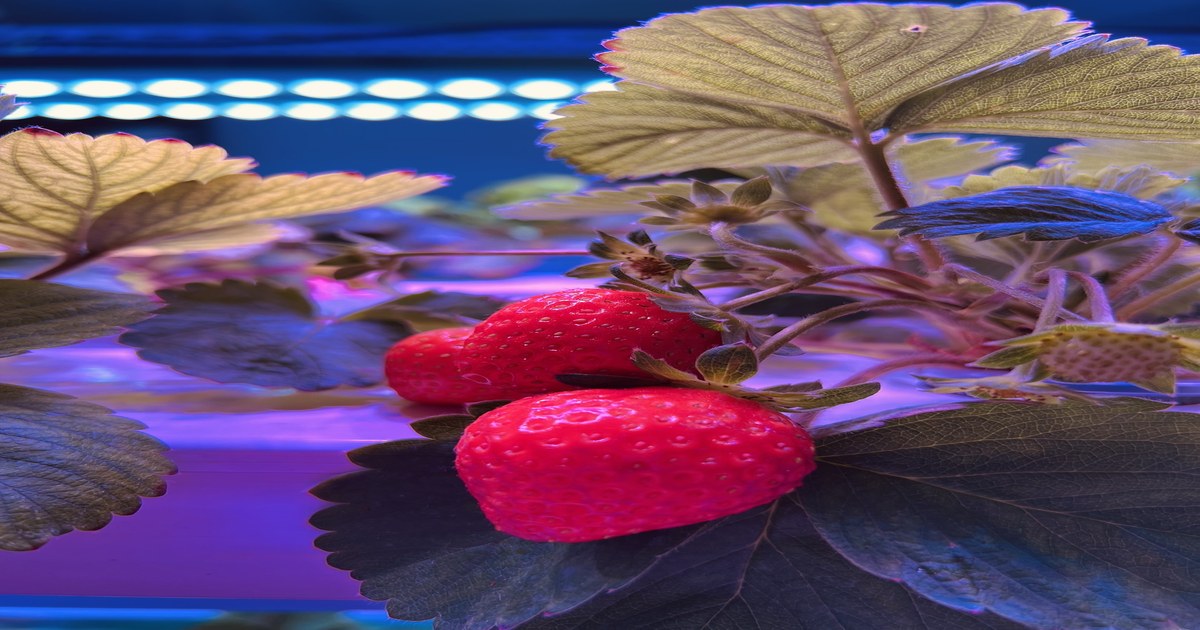
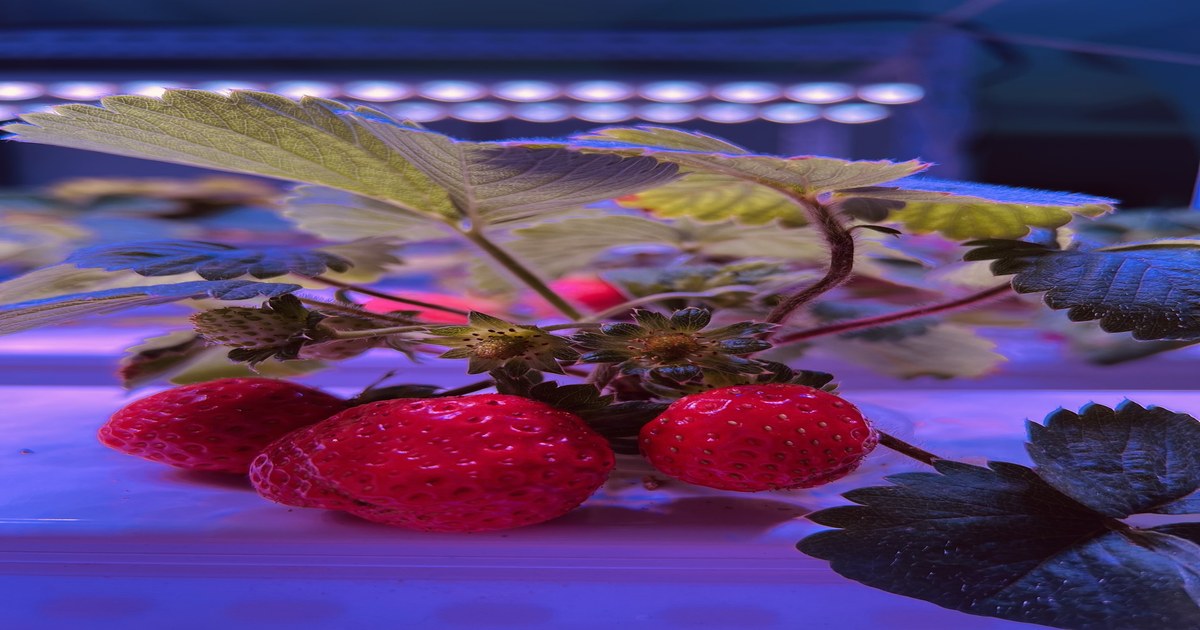
In typical vertical farm installations with the GE35-120T-F175 mounted at 0.2m above the canopy, independent measurements show a temperature increase of only 2-3 degrees Celsius at the leaf surface compared to ambient room temperature. With the higher-output GE35-120T-K6 at 80W, the increase is approximately 3-4 degrees Celsius at the same distance. These values are well within the safe operating range for virtually all commercial crops.
For context, most leafy greens (lettuce, herbs, microgreens) thrive at canopy temperatures of 18-25 degrees Celsius, while fruiting crops like tomatoes and strawberries tolerate 20-30 degrees Celsius. The 2-4 degree addition from GE35 lighting is easily managed by standard HVAC systems and is often negligible in facilities with horizontal airflow (HAF) fans providing adequate air movement across the canopy.
Impact on Growing Environment Climate Control
The low heat output of the GE35 has cascading benefits for the entire growing facility’s climate control strategy. In a multi-tier vertical farm with 4-6 layers of GE35 lighting, the cumulative heat load from lighting might be 200-400W per growing bay. An equivalent HPS installation would produce 2,000-4,000W of heat in the same space. This difference translates directly into smaller air conditioning units, lower energy consumption for cooling, and more stable temperature control.
Commercial growers who have transitioned from HPS to GE35 LED lighting report 30-50% reductions in HVAC operating costs, in addition to the 40-60% savings in lighting electricity consumption. The total energy savings (lighting + cooling) often result in a return on investment within 12-18 months, depending on local electricity rates and operating hours.
Best Practices for Managing GE35 Thermal Output
While the GE35 series is designed for efficient passive cooling, proper installation practices help ensure optimal thermal performance. Maintain the recommended mounting distance of 0.15-0.3m above the canopy, depending on the model and growth stage. Ensure adequate air circulation in the growing area, either through dedicated HVAC systems or horizontal airflow fans. Avoid mounting the GE35 in enclosed channels or tight spaces where convective airflow is restricted.
The IP64 waterproof rating of the GE35 means the light bars can withstand humid environments without degradation. In high-humidity facilities (80-90% RH), the aluminum housing may develop a thin oxide layer over time, which actually improves surface emissivity and slightly enhances passive heat dissipation. The 50,000-hour rated lifespan (L70 maintenance) is specified at ambient temperatures up to 40 degrees Celsius, providing a generous safety margin for commercial growing environments.
Conclusion
The Koray Lighting GE35 series produces minimal heat compared to traditional grow lighting technologies. With 90% less thermal output than equivalent HPS installations and an efficient passive cooling design, the GE35 allows growers to maintain precise temperature control while significantly reducing HVAC costs. Whether you are designing a new vertical farm or retrofitting an existing facility, the GE35’s low thermal profile simplifies climate management and creates a more stable growing environment for your crops.

Leave A Comment