
What Plants Grow Best Under the G138 K6C Spectrum? A Complete Grower’s Guide
Choosing the right light spectrum is just as important as choosing the right intensity. While many growers focus solely on PPFD numbers and wattage, the spectral composition of your LED grow light directly influences plant morphology, flowering timing, fruit quality, and even flavor. The Koray G138 series with K6C spectrum is one of the most talked-about combinations in commercial horticulture — but which plants actually benefit the most from this specialized light recipe?
In this guide, we explain the science behind the K6C spectrum, identify the crops that thrive under it, and help you decide whether it is the right choice for your growing operation.
What Is the K6C Spectrum?

The K6C spectrum is a proprietary light recipe developed by Koray Lighting’s engineering team, building on over 15 years of LED horticultural research and more than 200 patents. Unlike generic “full-spectrum white” LEDs that simply use phosphor-converted blue chips, the K6C spectrum is carefully tuned to emphasize specific wavelength bands that plants use most efficiently during flowering and fruiting stages.
The K6C spectrum features enhanced output in the 620–660nm red band, which drives photosystem II and is strongly linked to flowering initiation and fruit development. It maintains a balanced blue component (450–470nm) to ensure compact growth and prevent excessive stem elongation. The green channel is present at moderate levels, which aids canopy penetration and allows growers to visually inspect plant health without the purple haze of traditional red-blue LEDs.
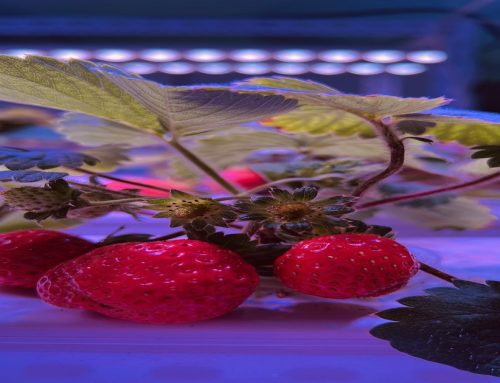
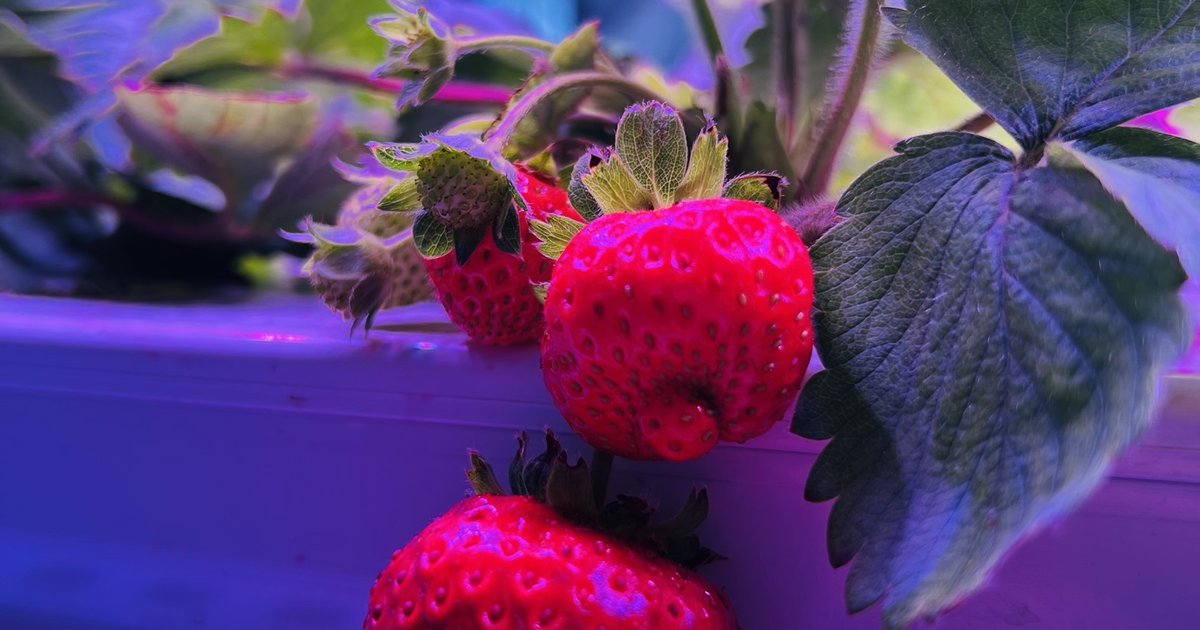
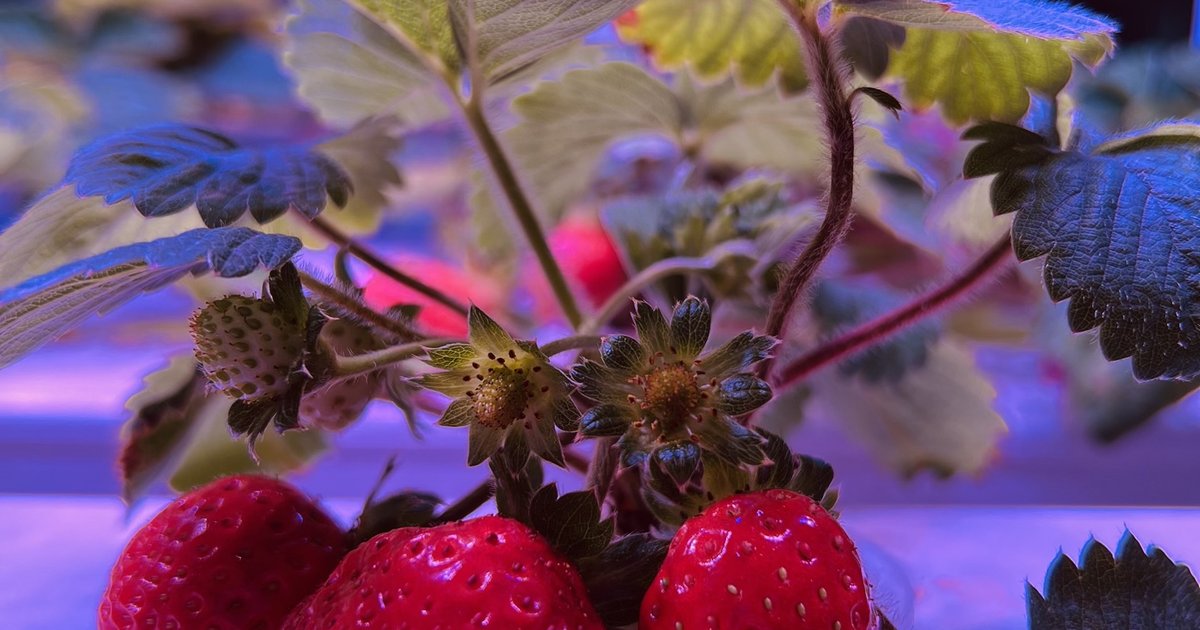
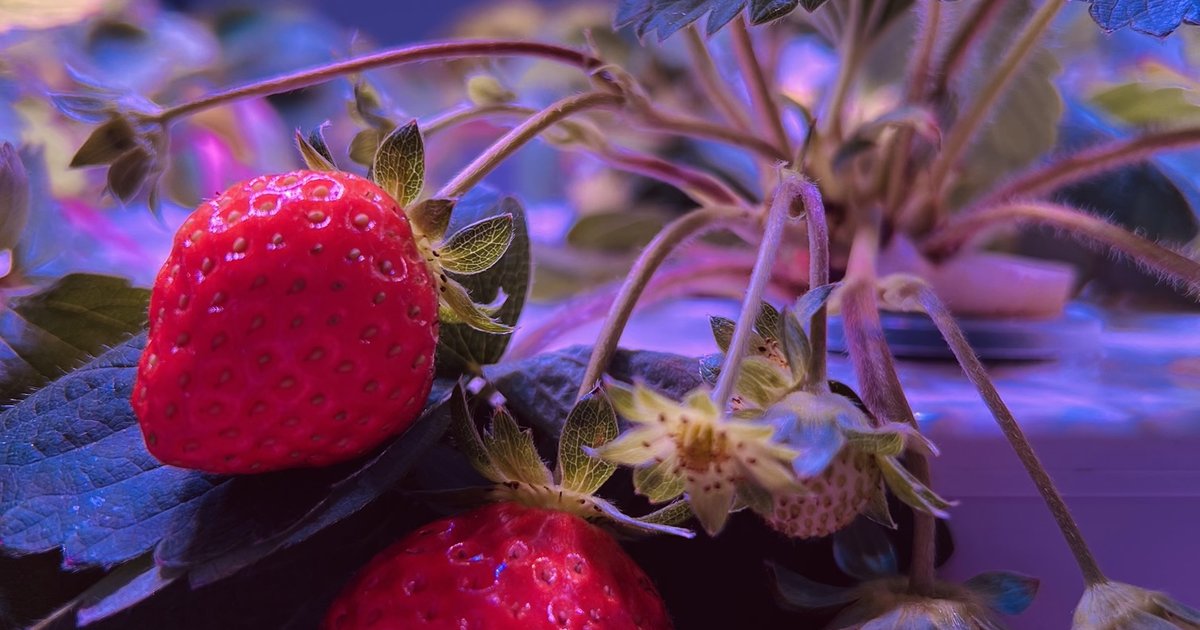
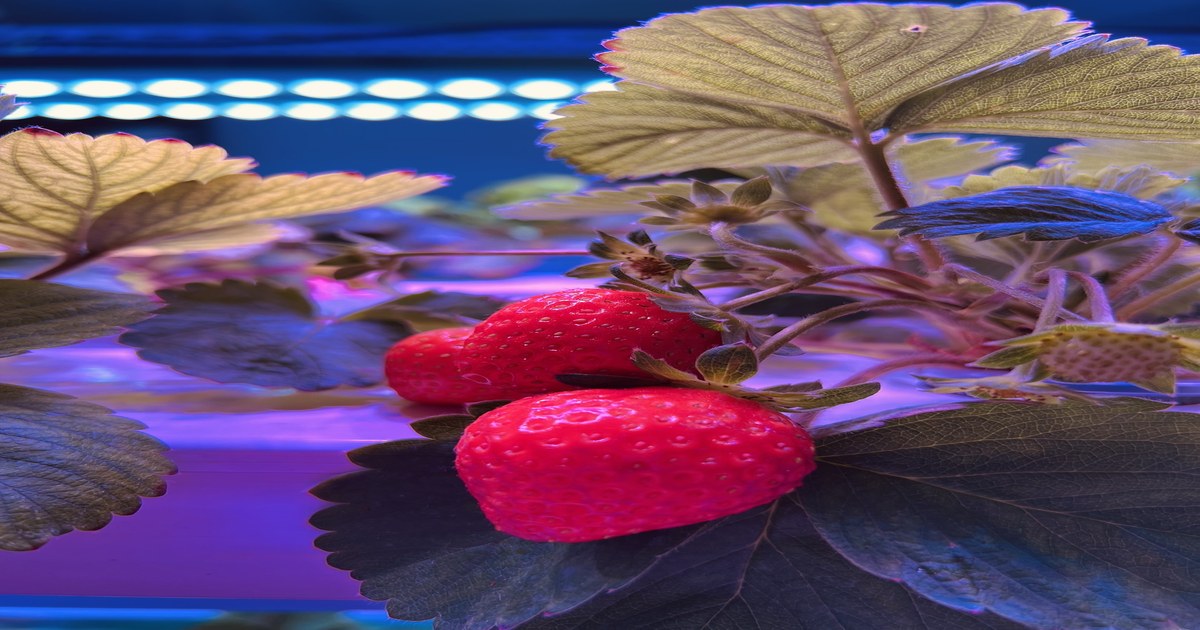
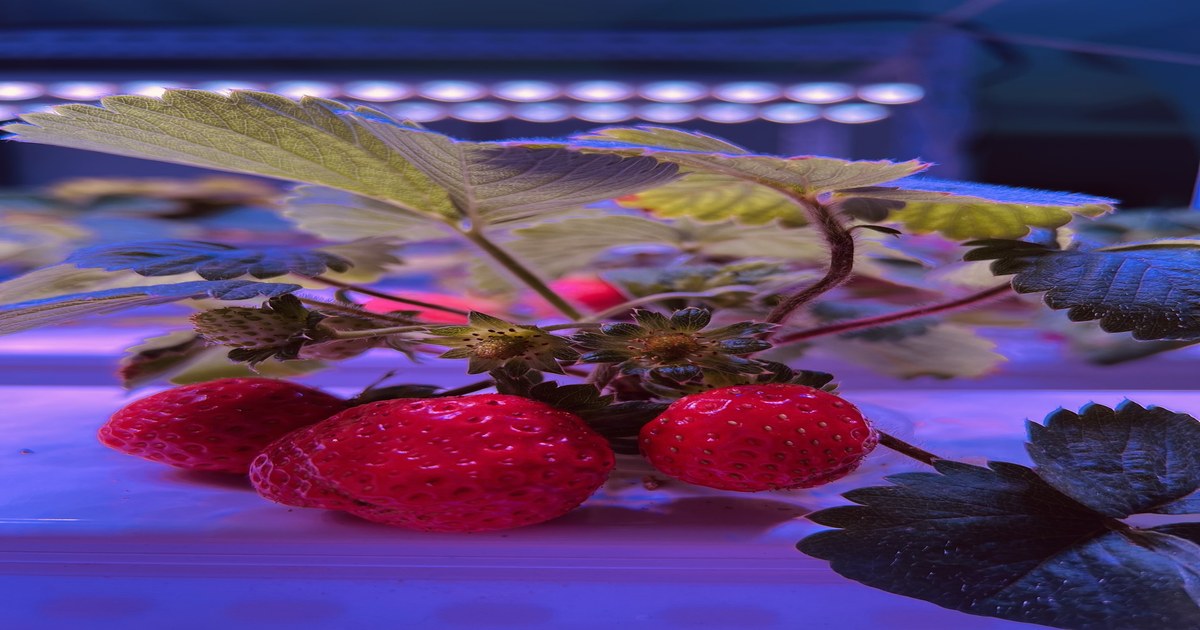
Strawberries: The Perfect K6C Crop
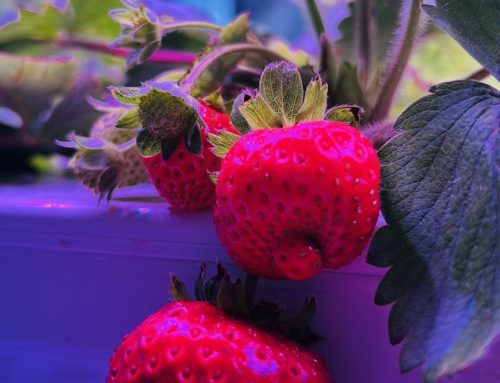
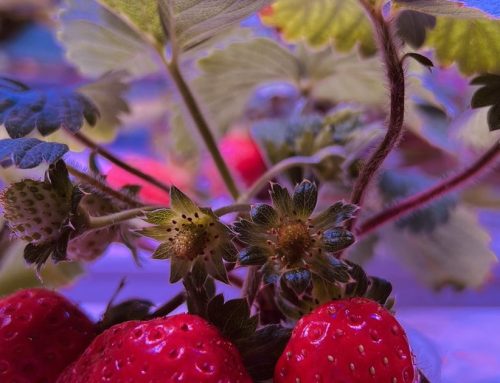
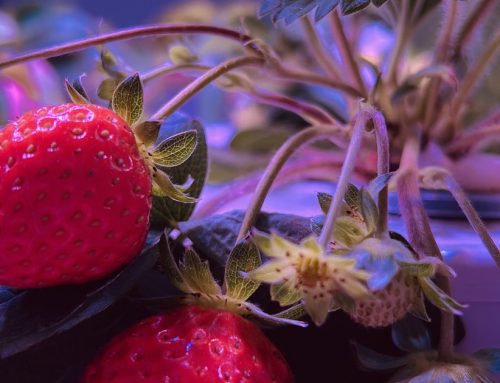
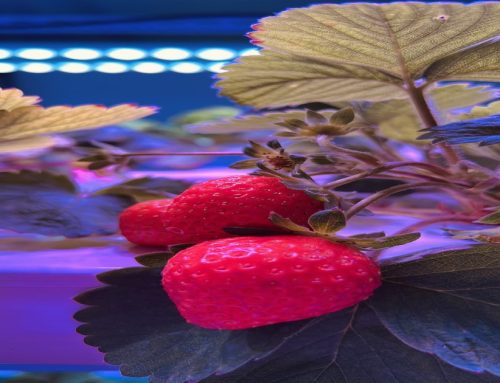
Strawberries are arguably the crop that benefits most from the K6C spectrum. Research consistently shows that enhanced red light increases strawberry flower count, fruit set rate, and sugar content (Brix). Under the G138-120 with K6C, growers can achieve PPFD levels of 350–530 μmol/m²/s at typical mounting distances of 0.2–0.3 meters — ideal for everbearing strawberry varieties that flower and fruit simultaneously.
The K6C spectrum’s red emphasis triggers the phytochrome system, encouraging the plant to produce more flowering sites. Meanwhile, the balanced blue component keeps leaves compact and prevents the leggy growth that can make strawberry canopies prone to disease. Commercial strawberry farms using Koray G138 K6C in vertical rack systems report harvest cycles that are 10–15% shorter compared to broad-spectrum white LEDs.
Succulents and Ornamental Plants
Succulent growers have long understood that light quality directly affects plant coloration. The vibrant reds, purples, and oranges that make succulents so desirable are produced by anthocyanin and carotenoid pigments — and these pigments are stimulated by specific light wavelengths.
The K6C spectrum’s enhanced red output triggers “stress coloration” in succulents — the beautiful blush tones that collectors prize — without the excessive heat stress that can damage plant tissue. Species like Echeveria, Graptoveria, and Sedum respond particularly well, producing tighter rosettes and more intense pigmentation under K6C compared to standard white LEDs.
For ornamental flowering plants such as African violets, petunias, and kalanchoe, the K6C spectrum promotes prolific blooming. The enhanced red wavelengths activate phytochrome Pr→Pfr conversion, which is the primary signal for flower induction in many ornamental species.
Carnivorous Plants
Venus flytraps, sundews, and pitcher plants require intense light with specific spectral characteristics to develop their trapping mechanisms properly. The K6C spectrum provides the high red-to-blue ratio that encourages trap development and the deep red pigmentation that makes carnivorous plants so visually striking.
The G138 series’ IP65 waterproof rating is particularly valuable for carnivorous plant growers, who often maintain very high humidity levels (70–90% RH) to mimic bog conditions. The sealed aluminum housing prevents moisture-related failures that plague non-rated fixtures in these environments.
Flowering Herbs and Medicinal Plants
Herbs grown for their flowers — such as chamomile, lavender, and calendula — respond well to the K6C spectrum’s flowering promotion. The enhanced red wavelengths increase flower density and essential oil content, which directly impacts the commercial value of these crops.
For medicinal plant research, the K6C spectrum provides a reproducible, consistent light environment that ensures experimental results are not confounded by spectral variation. Koray’s spectrum consistency standards ensure that every G138 K6C bar produces the same spectral output, batch after batch.
When NOT to Use K6C
While the K6C spectrum excels for flowering and fruiting crops, it is not the ideal choice for every growth stage. Seedlings and young vegetative plants benefit more from spectra with higher blue content (such as the F175 or V3 spectrum), which promotes strong root development and compact internodal spacing.
Similarly, leafy greens like lettuce, spinach, and arugula are best grown under higher-blue spectra that delay bolting and encourage tender leaf production. Many commercial growers use K6C for the flowering/fruiting phase and switch to F175 or V3 for vegetative growth — a strategy that Koray’s modular G138 system makes easy to implement.
G138 Models Available with K6C Spectrum
The K6C spectrum is available across the full G138 product line. The G138-60 (606mm, ~30W) suits narrow shelves and small rack systems. The G138-90 (900mm, ~40W) covers standard 0.9m shelves. The G138-120 (1200mm, ~60W) is the workhorse for commercial operations, delivering up to 150 μmol/s PPF across a 1.2m coverage area.
All G138 models feature Koray’s secondary optical system that eliminates center hotspots and ensures uniform PPFD distribution. The IP65 rating and 50,000-hour lifespan make them a reliable long-term investment for any commercial operation.
Conclusion
The Koray G138 K6C spectrum is a purpose-built light recipe for growers who need to maximize flowering, fruiting, and coloration. Strawberries, succulents, carnivorous plants, flowering herbs, and ornamental crops all respond exceptionally well to its enhanced red output. For growers running multi-stage operations, the K6C can be combined with Koray’s other spectrum options to create a complete lighting strategy from seedling to harvest.
Koray Lighting has been at the forefront of LED horticultural lighting since 2009. With over 200 patents and products exported to 60+ countries, Koray provides the spectral precision and build quality that professional growers demand. Visit koraylights.com for more information about the G138 series and spectrum options.

Leave A Comment