
What PPFD Does the G138-120 Deliver at 0.3 Meters?
PPFD (Photosynthetic Photon Flux Density) is the single most important metric for evaluating a grow light’s ability to drive photosynthesis. It tells you how many photosynthetically active photons land on each square meter of your canopy per second, measured in micromoles per square meter per second (umol/m2/s). For the Koray Lighting G138-120, one of the most popular bars in the company’s commercial grow light lineup, the PPFD performance at 0.3 meters (approximately 12 inches) is a key specification that every grower should understand.

G138-120 PPFD Performance at 0.3 Meters
At a hanging distance of 0.3 meters, the G138-120 delivers a center PPFD of approximately 530 umol/m2/s when equipped with the F175 full-spectrum recipe. This measurement is taken directly below the center of the bar in a dark room with no reflective walls. In a real growing environment with reflective shelf walls, actual PPFD values can be 10-20 percent higher due to light bounce.
The average PPFD across the full coverage area at this distance is approximately 360 umol/m2/s. This average figure is arguably more important than the center peak, because it tells you what the typical plant in your growing area actually receives. The ratio of average to center PPFD (known as the uniformity ratio) is approximately 0.68, which indicates excellent light distribution with no severe hotspots or dark corners.
What Does This Mean for Your Crops?
Different crops have different PPFD requirements, and understanding where the G138-120 falls helps you match the light to your growing goals. Seedlings and cuttings typically need only 100-200 umol/m2/s, so at 0.3 meters the G138-120 is more than powerful enough — you could even raise the bar to 0.4-0.5 meters to reduce intensity to seedling-appropriate levels.
Leafy greens such as lettuce, spinach, and herbs thrive at 200-400 umol/m2/s. The G138-120 at 0.3 meters delivers average PPFD squarely in this sweet spot, making it an excellent choice for lettuce production on commercial shelves. With a DLI of approximately 20.7 mol/m2/day (at 16 hours of light), your lettuce will grow rapidly without risk of bolting or tip burn.
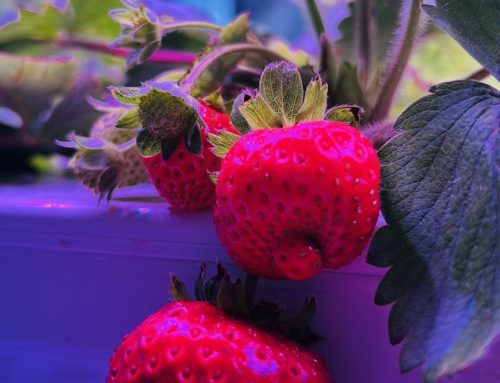
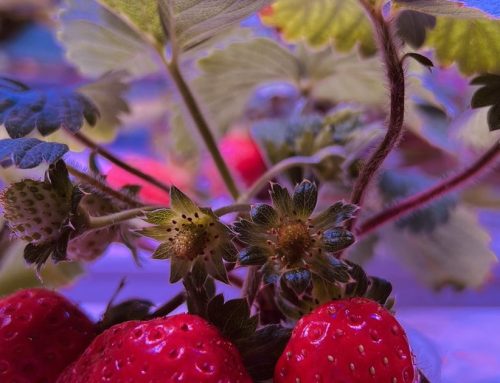
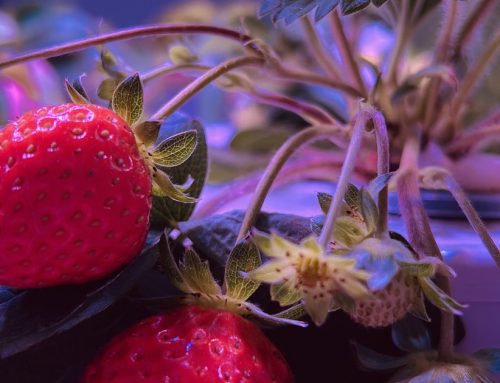
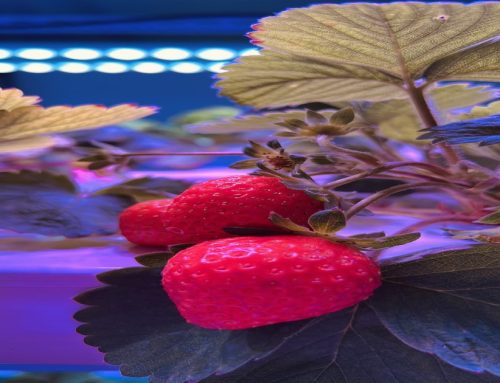
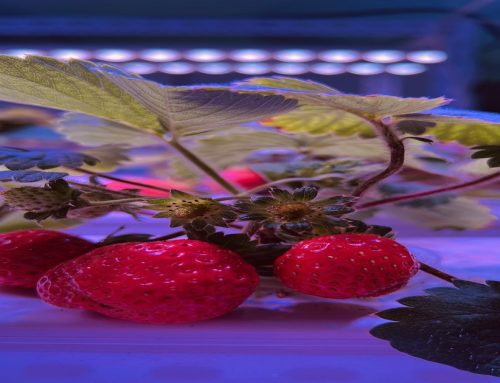
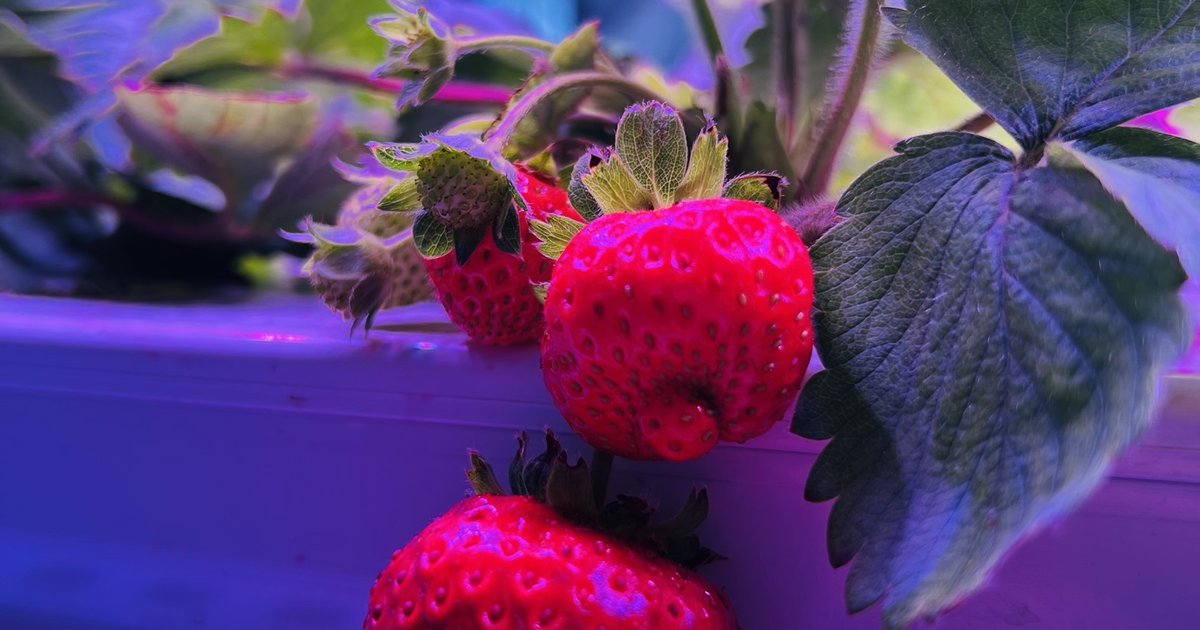
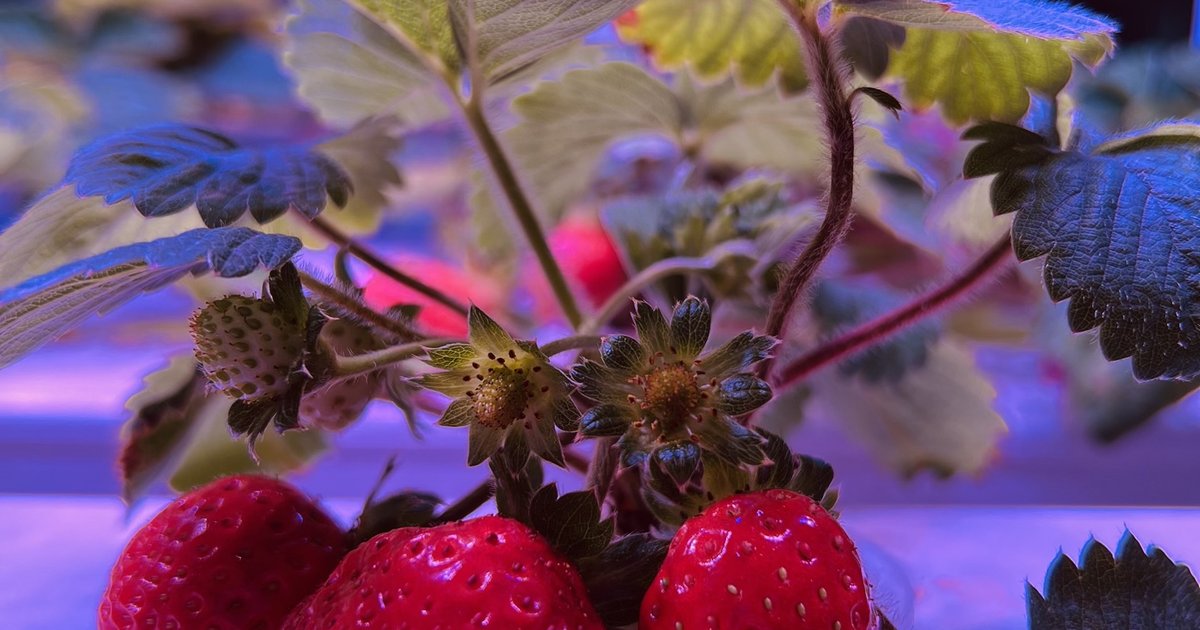
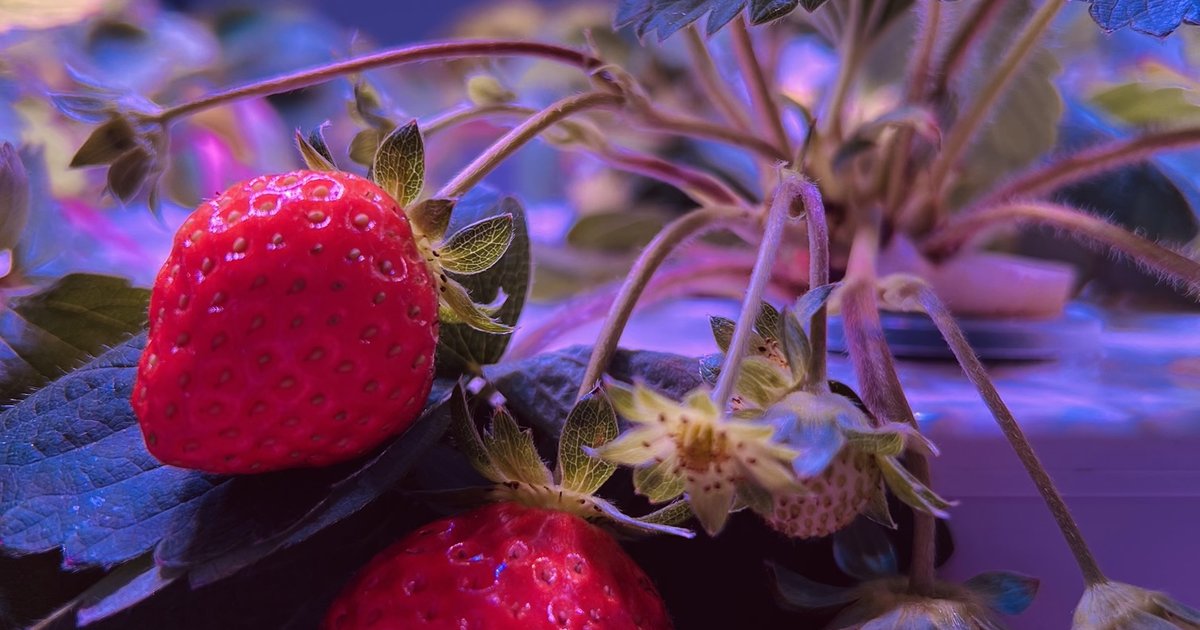
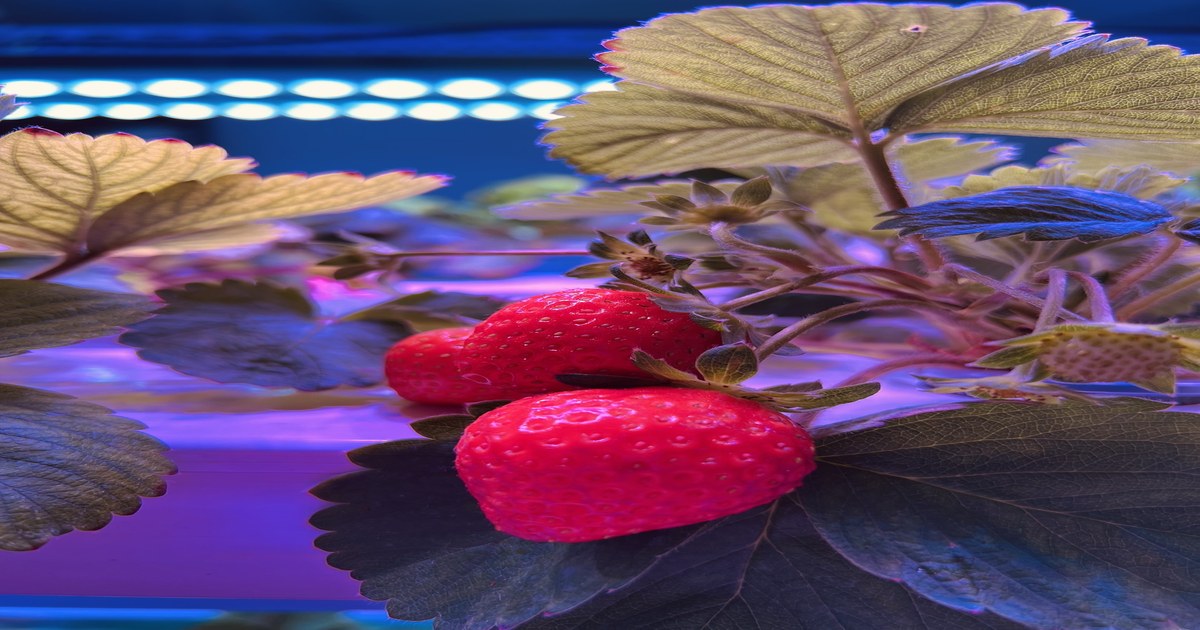
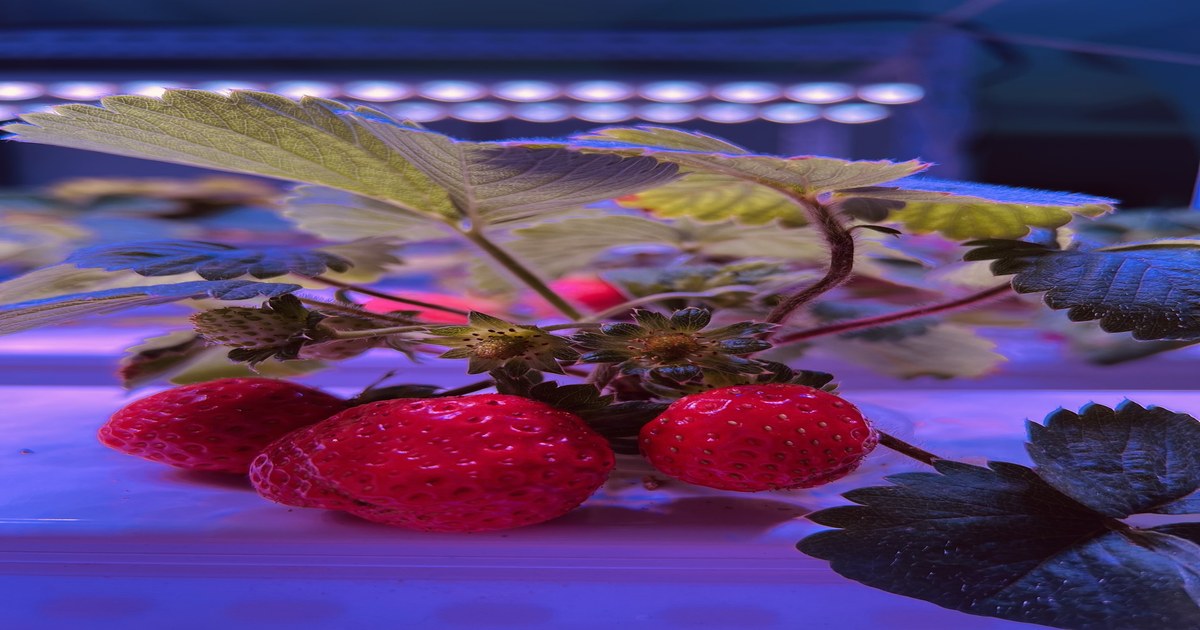
Fruiting crops like strawberries, peppers, and compact tomatoes benefit from 400-600 umol/m2/s. The center zone of the G138-120 at 0.3 meters delivers PPFD in this range, and the average across the full coverage area is close to the minimum threshold. For these crops, using the K6C high-red spectrum will further optimize light quality for flowering and fruit set.

How Distance Affects PPFD
It is important to understand that PPFD drops rapidly as you increase the distance between the light and the canopy. This follows the inverse square law: doubling the distance reduces PPFD to roughly one-quarter. In practice, for the G138-120:
At 0.2 meters (8 inches), center PPFD reaches approximately 535 umol/m2/s, suitable for high-light crops and short-canopy flowering plants. At 0.3 meters (12 inches), center PPFD is approximately 530 umol/m2/s with wider, more uniform coverage — the recommended general-purpose distance. At 0.5 meters (20 inches), center PPFD drops to approximately 250 umol/m2/s, adequate for leafy greens but insufficient for fruiting crops.
This is why the 0.3-meter recommendation exists: it provides the best balance between intensity and coverage area for the widest range of crops.
Comparing the G138-120 to Traditional Lighting
To put these numbers in perspective, a standard T5 high-output fluorescent tube produces roughly 80-120 umol/m2/s at 0.3 meters. You would need four to six T5 tubes to match the PPFD output of a single G138-120 bar, and even then, the fluorescent setup would consume more electricity and produce significantly more heat.
Compared to HPS (high-pressure sodium) fixtures, the G138-120 offers superior spectral quality for photosynthesis. While a 400W HPS might deliver similar PPFD numbers, much of that energy is wasted in the yellow-green spectrum where plant photosynthetic efficiency is lower. The G138-120’s carefully engineered full-spectrum recipe ensures that every photon contributes meaningfully to plant growth.
Maximizing PPFD with Multiple Bars
For commercial operations that need higher PPFD, the modular design of the G138 series allows you to install multiple bars side by side. Two G138-120 bars on a single shelf, spaced 30-40 cm apart, will raise the average PPFD to 600-700 umol/m2/s at 0.3 meters — enough for the most demanding fruiting crops. The overlapping coverage patterns create a more uniform distribution than a single bar alone.
Koray Lighting’s engineering team can help you design a lighting layout optimized for your specific shelf dimensions, crop requirements, and DLI targets. With over 200 patents in LED horticultural lighting and a 2,800 square meter testing facility, Koray has the expertise to ensure your investment delivers maximum return.
Ready to upgrade your growing operation? Visit koraylights.com for detailed PPFD maps, spectrum charts, and custom lighting plans.

Leave A Comment