
Building a DIY Plant Factory: Is the PT8 the Right Choice?
The concept of a DIY plant factory has moved from niche hobbyist territory to mainstream growing strategy. Whether you are converting a spare room into a leafy green production chamber, building a vertical rack system in your garage, or setting up a small-scale herb farm, the lighting system you choose will determine your success. The Koray RX-PT8 plant grow tube is engineered with features that make it exceptionally well-suited for DIY plant factory projects. This article explores why, covering waterproofing, daisy-chain installation, spectrum flexibility, coverage planning, and real-world setup scenarios.
What Is a DIY Plant Factory?
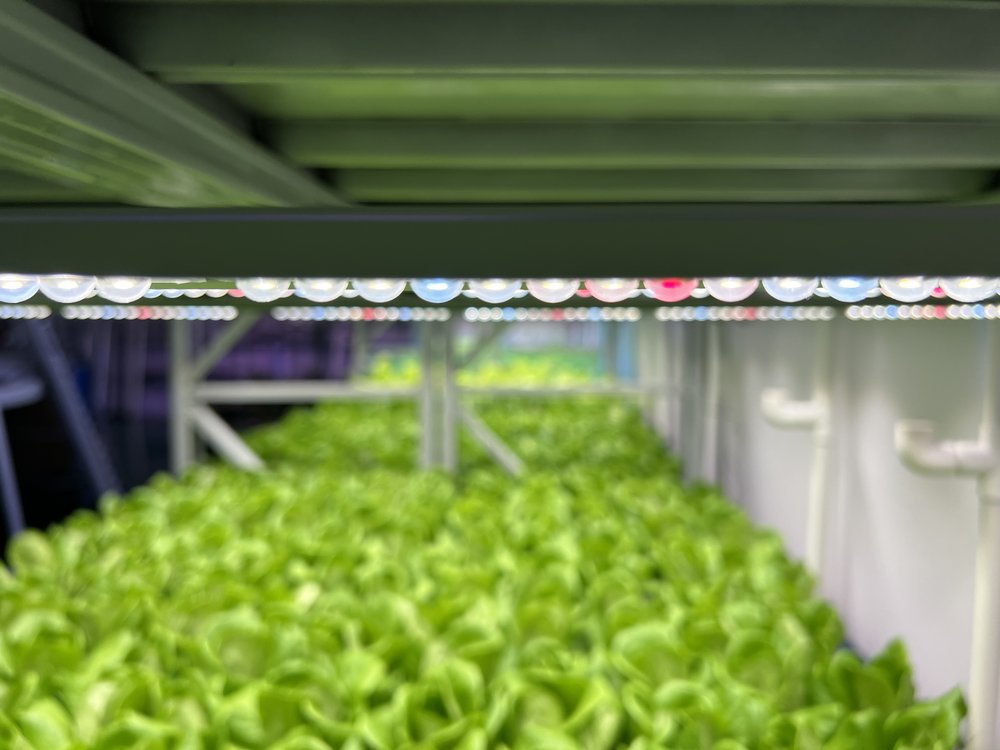
A DIY plant factory is a controlled-environment growing system built by the grower rather than purchased as a turnkey solution. It typically involves shelving units or racks, LED grow lights, environmental controls (fans, humidifiers, air conditioning), and growing media (hydroponic channels, NFT systems, or simple containers). The goal is to replicate the key elements of a commercial plant factory — consistent light, temperature, humidity, and nutrient delivery — at a scale and budget that works for small businesses, research labs, or serious hobbyists.
The lighting component is the most critical element, and this is where the PT8 shines. Its combination of commercial-grade performance and user-friendly installation features makes it accessible even for growers without professional electrical engineering experience.
IP66 Waterproofing: Built for Humid Environments
Plant factories are inherently wet environments. Hydroponic systems generate constant humidity, condensation forms on cool surfaces, and regular cleaning involves spraying water on equipment. In this context, the PT8’s IP66 waterproof rating is not just a nice-to-have — it is essential.
IP66 means the PT8 is completely sealed against dust ingress and can withstand powerful jets of water from any direction without damage. You can confidently install PT8 tubes in your DIY plant factory without worrying about moisture-related failures, short circuits, or corrosion. This is a stark contrast to many consumer-grade LED grow lights that carry only IP20 ratings and require protective enclosures in humid conditions.
For a DIY grower, this waterproofing also means peace of mind during routine maintenance. You can wipe down the PT8 tubes with a damp cloth or even spray them directly during cleaning without any risk of damage.
Daisy-Chain Installation: Simplified Wiring
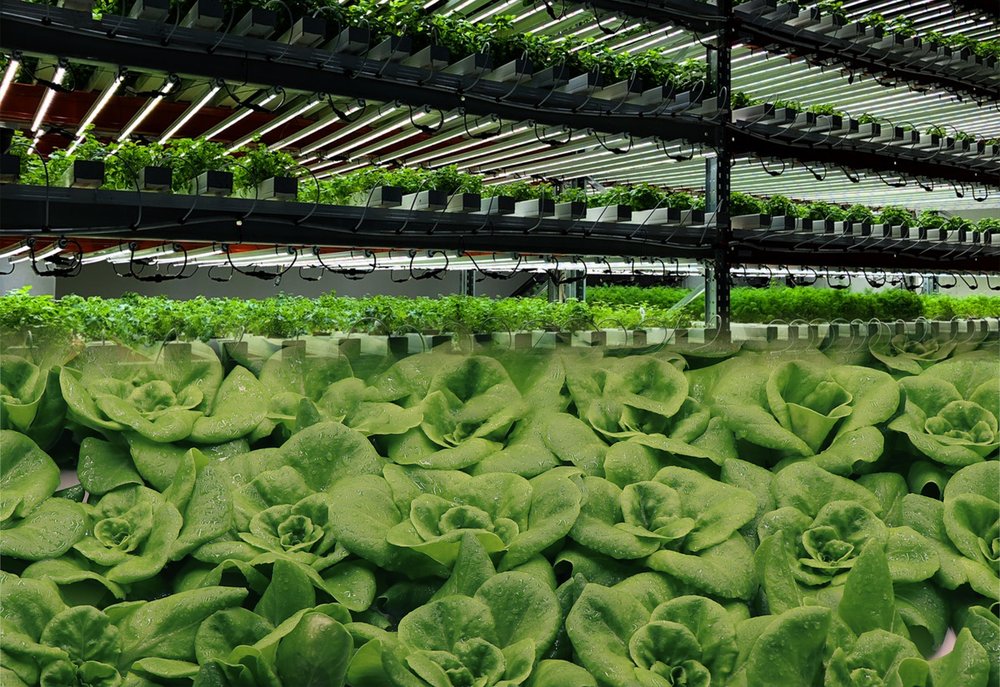
Electrical wiring is often the most daunting aspect of building a DIY plant factory. Running individual power cables to each grow light creates a tangled mess of wires, requires multiple outlets or power strips, and increases the risk of connection failures. The PT8 solves this with daisy-chain wiring support.
In the standard configuration, up to 10 PT8 tubes can be connected in series on a single power feed. With the centralized power supply version, this number doubles to 20 tubes. For a typical DIY setup with 2-4 shelf tiers and 4-6 tubes per tier, a single power connection per tier is all you need. The PT8 tubes connect to each other using simple inline connectors, creating a clean, professional installation without extensive electrical work.
The PT8 operates on AC120-277V input with a power factor greater than 0.9, meaning it is compatible with standard household electrical systems (120V in North America, 230V in Europe and Asia) without requiring special circuits or transformers. This plug-and-play compatibility is a significant advantage for DIY builders who may not want to hire an electrician for their setup.
Spectrum Selection for Your Crops
One of the key decisions in designing a DIY plant factory is choosing the right light spectrum for your target crops. The PT8 series offers three spectrum variants, each optimized for different growing objectives:
The F4K spectrum (36W, 6,600 lumens) is ideal if your plant factory focuses on seedling propagation, tissue culture, or microgreens. Its balanced, high-output spectrum supports the delicate early stages of plant development. PPFD at 0.15m is 270 μmol/m²/s, which is gentle enough for young plants while still promoting healthy growth.
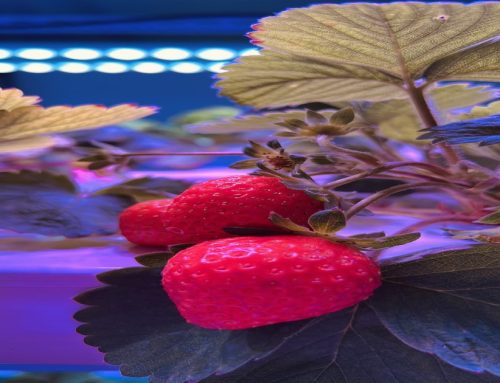
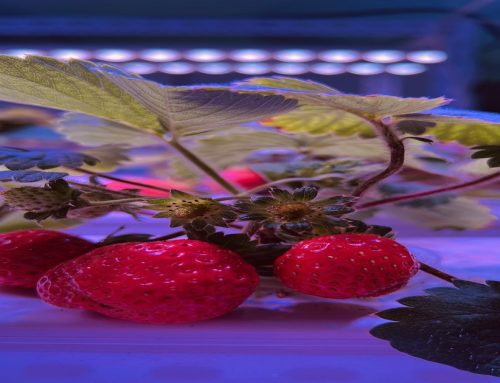
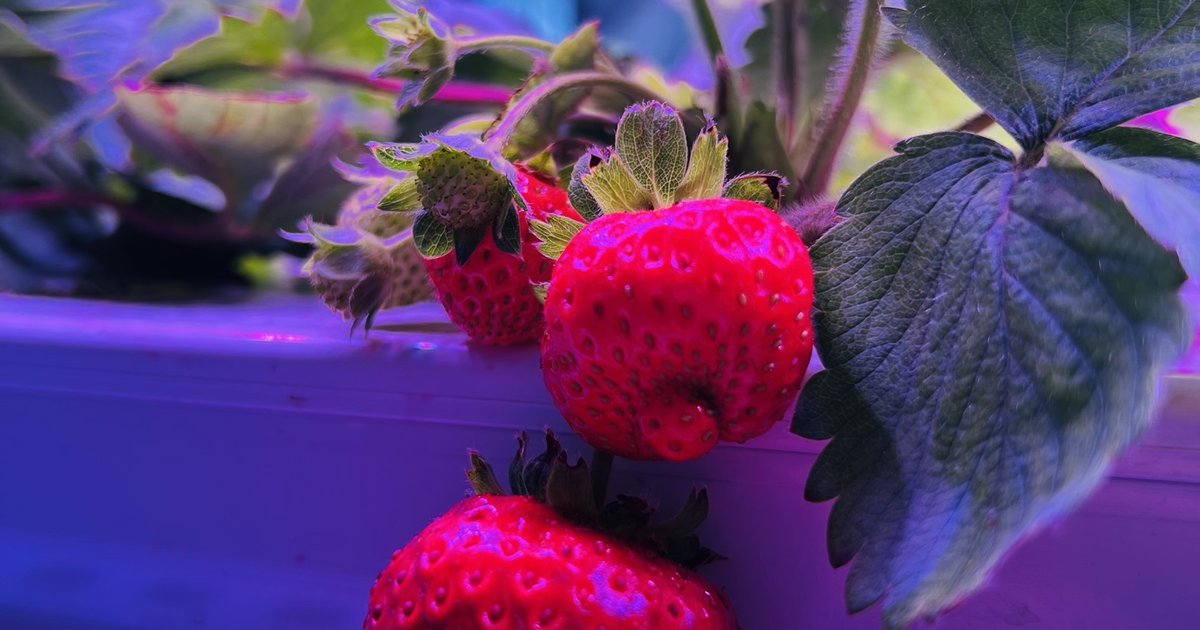
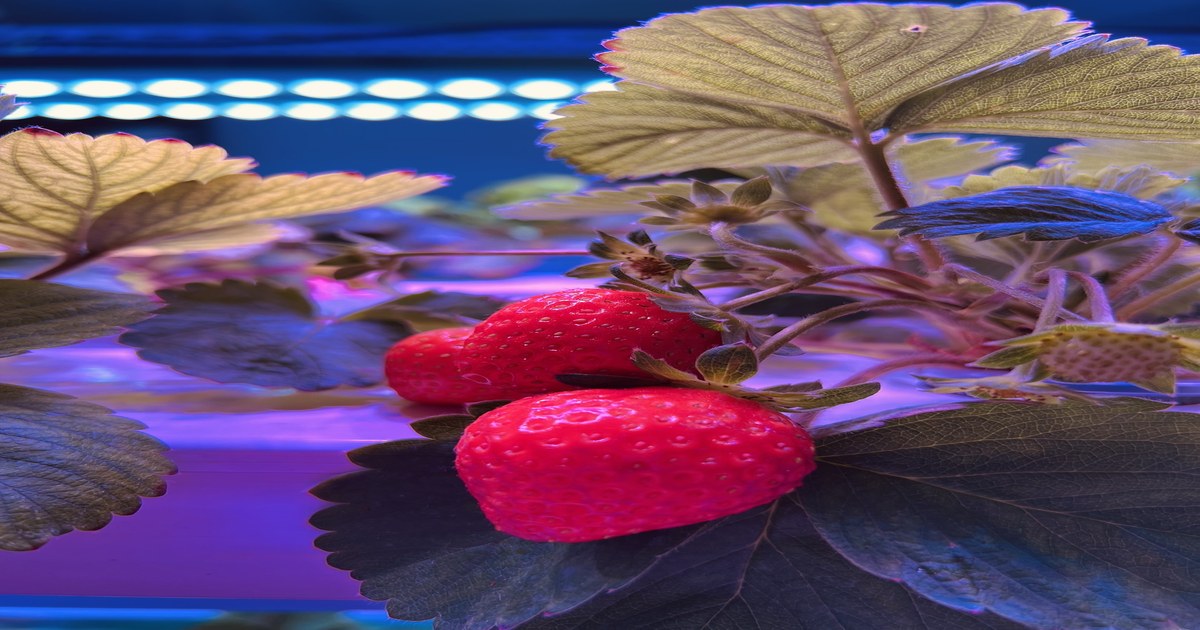
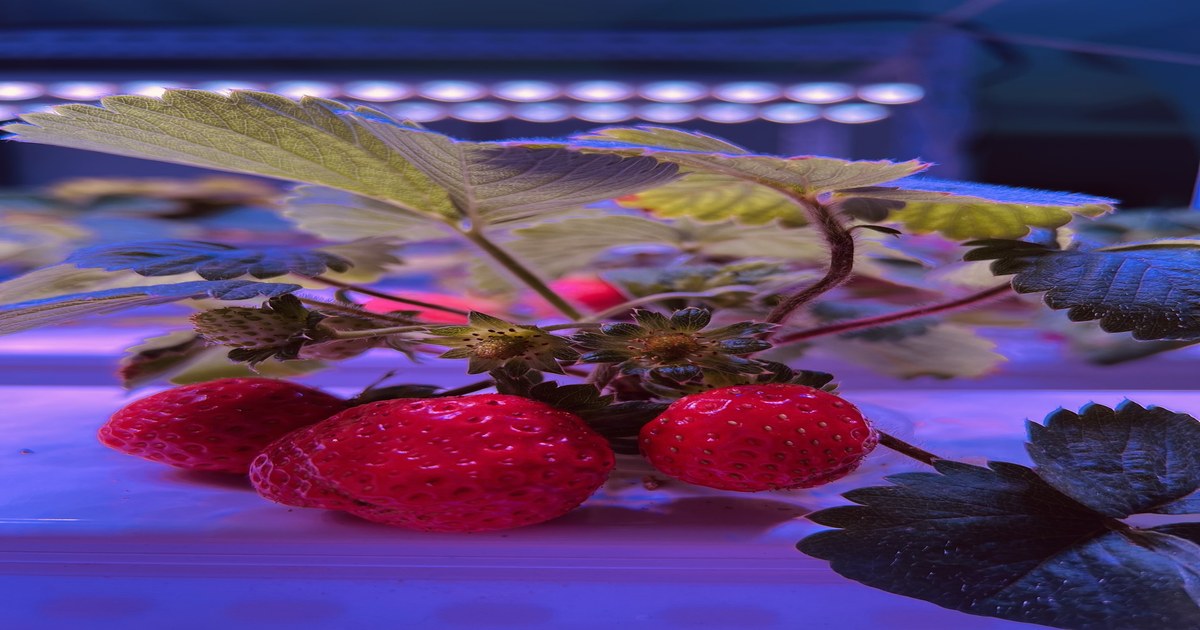
The F175 spectrum (32W, 5,200 lumens) is the versatile workhorse. If your DIY plant factory grows a mix of lettuce, herbs, strawberries, or small vegetables, the F175 provides the full-spectrum light these crops need. Its PPFD of 365 μmol/m²/s at 0.15m and 185 μmol/m²/s at 0.3m covers the requirements of most leafy crops at their recommended mounting distances.
The V3 spectrum (32W, 3,880 lumens, 2.9 μmol/J) is the performance choice for growers who prioritize rapid biomass accumulation. With the highest PPFD in the PT8 lineup — 416 μmol/m²/s at 0.15m — the V3 drives fast vegetative growth in crops like basil, cannabis vegetative stages, or any leafy green where speed matters.
For a multi-purpose DIY plant factory, you can mix spectra across different shelves. Use F4K on the top shelf for propagation, F175 on the middle shelves for production, and V3 on a dedicated shelf for fast-growth trials.
Coverage Planning: How Many PT8 Bars Do You Need?
Proper light coverage planning is essential for a successful DIY plant factory. Over-lighting wastes electricity and can cause light stress, while under-lighting leads to leggy, weak plants. The PT8’s published PPFD map provides an excellent starting point for planning.
Koray’s reference layout uses six PT8 bars to cover a 1.2×1.2 meter area at 0.3 meters height, achieving an average PPFD of 300 μmol/m²/s with a power density of 133W/m². This is a proven configuration for leafy greens and herbs.
For a standard DIY shelving unit measuring 1.2m wide by 0.6m deep (a common 4-shelf unit), you would need approximately 3-4 PT8 bars per shelf for full coverage. On a 1.2m×1.2m rack, 6 bars per shelf gives you the reference PPFD of 300 μmol/m²/s average. The recommended mounting distance of 0.2-0.3m from the canopy means you should position the light bar about 20-30cm above the top of your plants.
For fruiting crops like tomatoes or peppers that require higher PPFD (400-600 μmol/m²/s), you can reduce the spacing between bars or lower the mounting height to 0.15-0.2m where individual bar PPFD reaches 275-365 μmol/m²/s.
Integrating PT8 into a Complete DIY System
A plant factory is more than just lights. To create a fully functional DIY system with the PT8, consider these complementary components:
Shelving: Standard metal shelving units with 1.2m width and adjustable shelf heights work perfectly. Look for units rated to hold at least 50kg per shelf to accommodate grow trays, water, and equipment.
Growing system: NFT (Nutrient Film Technique) channels, DWC (Deep Water Culture) rafts, or simple drip-irrigated containers all work well under PT8 lighting. The IP66 waterproof rating means you do not need to worry about water splashing onto the lights.
Environmental control: Oscillating fans for air circulation, a small dehumidifier if humidity exceeds 70%, and an inline exhaust fan for fresh air exchange complete the environmental package. Koray’s own climate chamber testing facilities, which span 2,800 square meters, have validated that optimal growing results come from balancing light, temperature, humidity, and CO2 levels together.
Automation: Simple timer outlets can control the PT8 lighting schedule (typically 16 hours on, 8 hours off for leafy greens). More advanced setups can use smart plugs with WiFi control for remote scheduling and monitoring.
Real-World DIY Scenarios
Scenario 1 — Lettuce Production Rack: A 4-tier shelf, each 1.2m×0.6m, with 4 PT8 F175 bars per tier (16 bars total). Mounting height 0.25m above each shelf. Average PPFD ~300 μmol/m²/s. Power consumption: 512W total. Daily electricity cost at $0.10/kWh and 16 hours: about $0.82. Expected harvest: 20-30 heads of lettuce per week per shelf.
Scenario 2 — Herb Garden Cabinet: A single-door cabinet 0.6m wide, 0.5m deep, 1.5m tall with 3 shelves. Two PT8 F175 bars per shelf (6 bars total). Perfect for basil, mint, cilantro, and parsley. Total power: 192W. Compact, quiet, and productive.
Scenario 3 — Research Growth Chamber: A temperature-controlled room with 3 racks, each with 6 PT8 bars (V3 spectrum for maximum growth rate). Total 18 bars. Average PPFD 300+ μmol/m²/s on each shelf. Ideal for university research, cultivar trials, or controlled experiments where consistent, uniform lighting is critical.
Cost Analysis: DIY Plant Factory with PT8
The total lighting cost for a modest DIY plant factory is surprisingly affordable. For a 4-shelf system with 4 PT8 bars per shelf (16 bars total), the investment in PT8 lighting is a one-time cost that pays for itself quickly through crop production. With 35,000-hour lifespan and minimal maintenance requirements, the per-harvest lighting cost drops to just pennies over the life of the system.
Compared to using consumer-grade LED panels or strip lights, the PT8 offers superior uniformity, waterproofing, and energy efficiency. Compared to building with fluorescent tubes, the PT8 eliminates ballast maintenance, reduces energy consumption, and provides spectrum options that fluorescent tubes simply cannot match.
Conclusion
The Koray RX-PT8 is an outstanding choice for DIY plant factory projects. Its IP66 waterproofing handles the humid conditions that come with indoor growing, daisy-chain wiring simplifies installation to the point where no electrical expertise is needed, and three spectrum options let you customize the light to your specific crops. With a proven PPFD coverage map, 35,000-hour lifespan, and energy efficiency that keeps operating costs low, the PT8 gives DIY growers access to commercial-grade lighting technology backed by Koray’s 17 years of horticultural LED expertise and 200+ patents. Whether you are building your first grow shelf or designing a multi-rack production system, the PT8 provides the reliable, high-performance illumination your plants need to thrive.



Leave A Comment