
Can the Koray GK-200W Replace HPS Lights in a Commercial Greenhouse?
High-pressure sodium (HPS) lamps have dominated greenhouse lighting for decades, but rising energy costs and environmental regulations are pushing growers to reconsider. The Koray GK-200W greenhouse grow light has emerged as one of the most compelling LED alternatives. In this article, we answer the question many growers are asking: can a 200-watt LED fixture truly replace a 400W or even 600W HPS lamp?
Understanding the Limitations of HPS Lighting
HPS lamps produce light by running an electrical arc through a tube filled with sodium vapor. While they deliver decent photosynthetic photon flux (PPF), they waste a significant portion of their energy as heat. A typical 400W HPS lamp converts only about 1.4 to 1.8 micromoles per joule (umol/J) into usable photosynthetic light. The rest heats the greenhouse ceiling, drives up ventilation costs, and shortens lamp life to roughly 10,000 to 15,000 hours.
Beyond efficiency, HPS lamps emit a narrow, yellow-orange spectrum concentrated around 580 to 620 nanometers. While this overlaps with the red absorption peak of chlorophyll, it lacks the blue wavelengths that regulate plant morphology, stomatal opening, and phototropic responses. The result is that crops grown under sole HPS lighting often exhibit stretched internodes, thinner leaves, and reduced secondary metabolite production.
How the Koray GK-200W Compares in PPF Output

The Koray GK-200W delivers a PPF output of approximately 560 umol/s using its V3 high-efficacy spectrum, which achieves 2.8 umol/J. This means a 200W GK-200W produces roughly the same number of photosynthetic photons as a 400W HPS lamp running at 630 umol/s from a 1.58 umol/J efficacy. On paper, the LED already matches the HPS at half the rated wattage.
However, raw PPF is only part of the story. The GK-200W uses Koray’s proprietary secondary optical system to distribute those photons evenly across a wide area. At a mounting height of 1.5 meters, a single GK-200W delivers an average PPFD of approximately 350 umol/m2/s over a circular area with a diameter of 3 meters. At 2 meters, the coverage diameter extends to approximately 4 meters with an average PPFD above 200 umol/m2/s. By contrast, a 400W HPS with a reflector typically produces a strong center hotspot and rapid falloff toward the edges, resulting in poor uniformity.
Energy Savings and Return on Investment
Switching from a 400W HPS to a 200W GK-200W saves 200 watts per fixture. In a 1,000 square meter greenhouse with 250 fixtures running 16 hours per day for 300 days per year, the annual electricity savings amount to approximately 96,000 kWh. At an industrial electricity rate of $0.10 per kWh, that translates to $9,600 in annual savings from lighting alone. The payback period for the LED investment is typically 18 to 24 months.
Additional savings come from reduced HVAC costs. HPS lamps radiate intense infrared heat downward into the canopy, forcing growers to run exhaust fans and cooling systems even in mild weather. The GK-200W runs significantly cooler, with most of its thermal output managed by an integrated aluminum heat sink, reducing the cooling load on the greenhouse.
Spectrum Quality: Full-Spectrum vs. Narrow Yellow
The GK-200W is available in multiple spectrum options, including the F175 full-spectrum formula and the K6 spectrum enriched with additional red wavelengths. The F175 spectrum provides a balanced output across the entire 400 to 700 nanometer PAR range, closely mimicking natural sunlight. This promotes compact vegetative growth, strong root development, and uniform flowering.
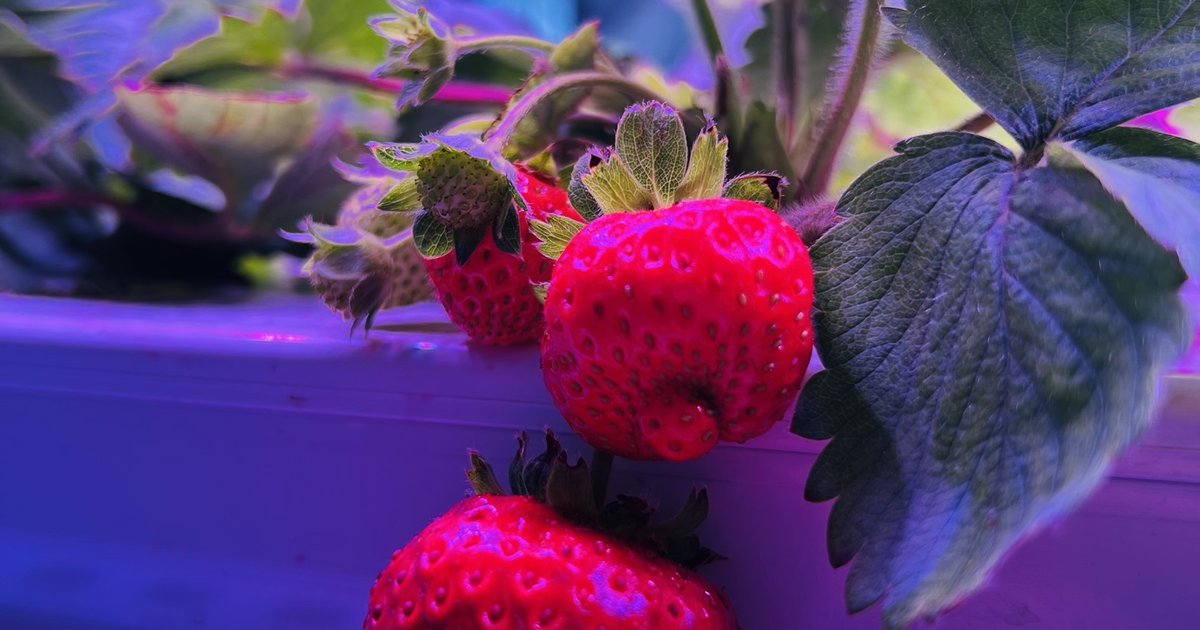
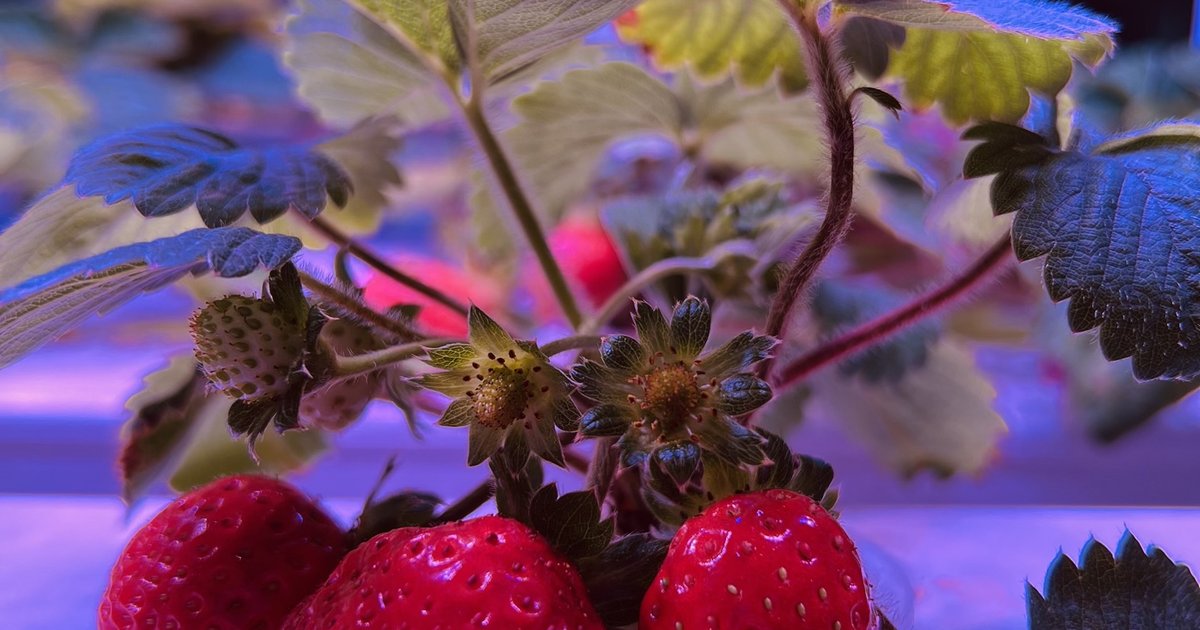
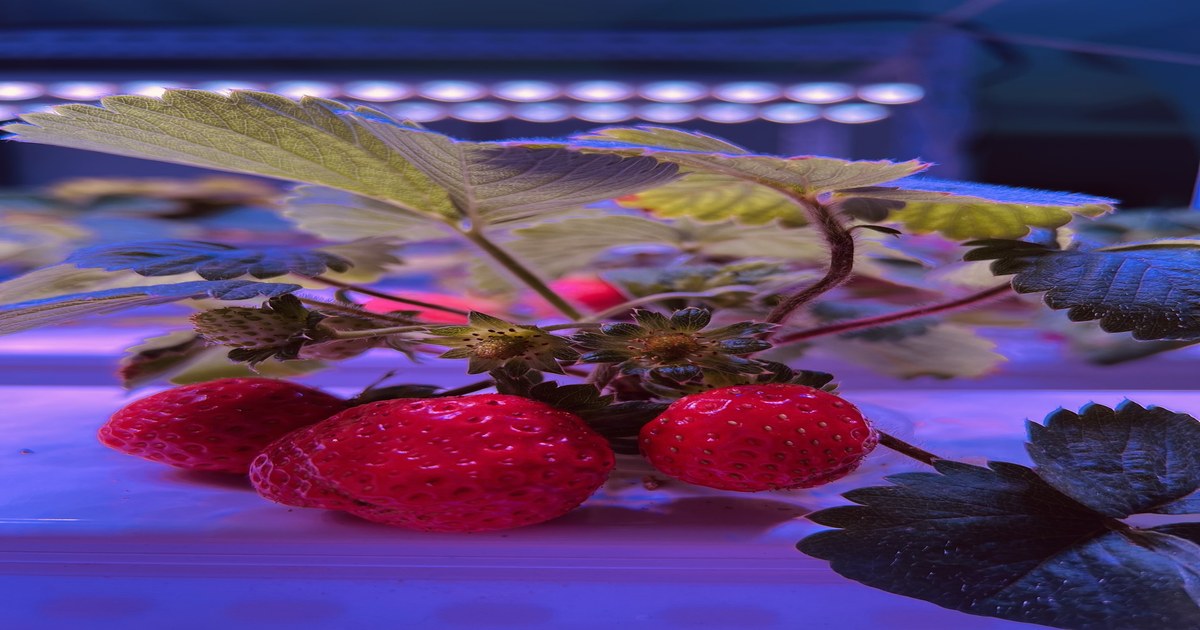
For greenhouse growers cultivating fruiting crops like tomatoes, peppers, or strawberries, the F175 spectrum delivers the red-to-blue ratio needed to support both vegetative vigor and reproductive development. The K6 spectrum, with its enhanced red output, is particularly effective for extending daylight DLI during short winter days when flowering and fruiting are the primary goals.
Lifespan and Maintenance
The GK-200W is rated for 50,000 hours of operation (L70), meaning it maintains at least 70 percent of its initial light output after more than a decade of daily use. HPS lamps, by contrast, degrade significantly after 10,000 to 15,000 hours and must be replaced annually or biannually. Over a five-year period, a greenhouse operator using HPS will purchase and install replacement bulbs two to three times, adding material and labor costs that further erode the initial price advantage of HPS.
Waterproof Design for Greenhouse Environments
Greenhouses are humid, dusty environments where condensation forms on every surface during temperature swings. The GK-200W carries an IP65 waterproof rating, protecting its internal electronics from moisture ingress and chemical fertilizer corrosion. This robust construction ensures reliable operation in conditions that would quickly degrade an open-housed HPS ballast.
Practical Installation Considerations
The GK-200W is designed as a top-light fixture, mounting directly to the greenhouse structure using standard hanging hardware. Its compact form factor and lightweight design make it compatible with most existing greenhouse rail systems. The fixture operates on AC100-277V input, eliminating the need for step-up transformers that some high-wattage LEDs require. It also supports 0-10V dimming, allowing growers to integrate the fixture with environmental control systems for automated light recipes.
When HPS Still Makes Sense (and When It Doesn’t)
There are niche situations where HPS retains some advantages. In extremely cold climates, the heat output of HPS lamps can contribute marginally to greenhouse warming during winter months. However, this “free heat” argument is misleading: the heat from HPS is uncontrolled, often wasted near the ceiling, and disappears in summer when supplemental lighting may still be needed. LED lighting with the GK-200W provides precise, targeted photons without the thermal baggage.
For commercial greenhouse growers looking to reduce energy costs, improve crop quality, and minimize maintenance, the Koray GK-200W represents a proven, cost-effective replacement for traditional HPS lighting. With its high-efficacy V3 spectrum, wide and uniform coverage, IP65 protection, and 50,000-hour lifespan, the GK-200W delivers measurable ROI from the very first growing season.
Koray Lighting, founded in 2009 and based in Zhongshan, Guangdong, has over 200 patents and exports to more than 60 countries. All GK-200W products carry CE, RoHS, and FCC certifications, backed by a comprehensive warranty and dedicated technical support.




Leave A Comment