
Which Spectrum Is Best for Strawberries on the G138?
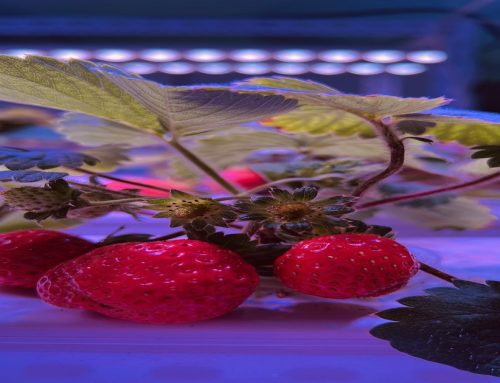
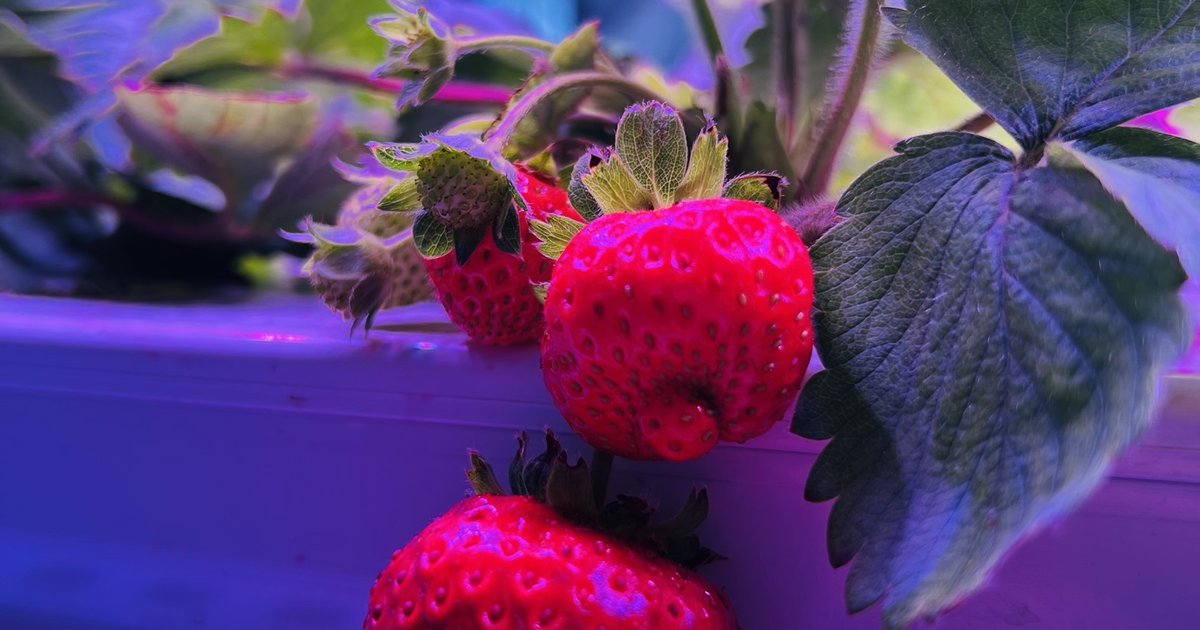
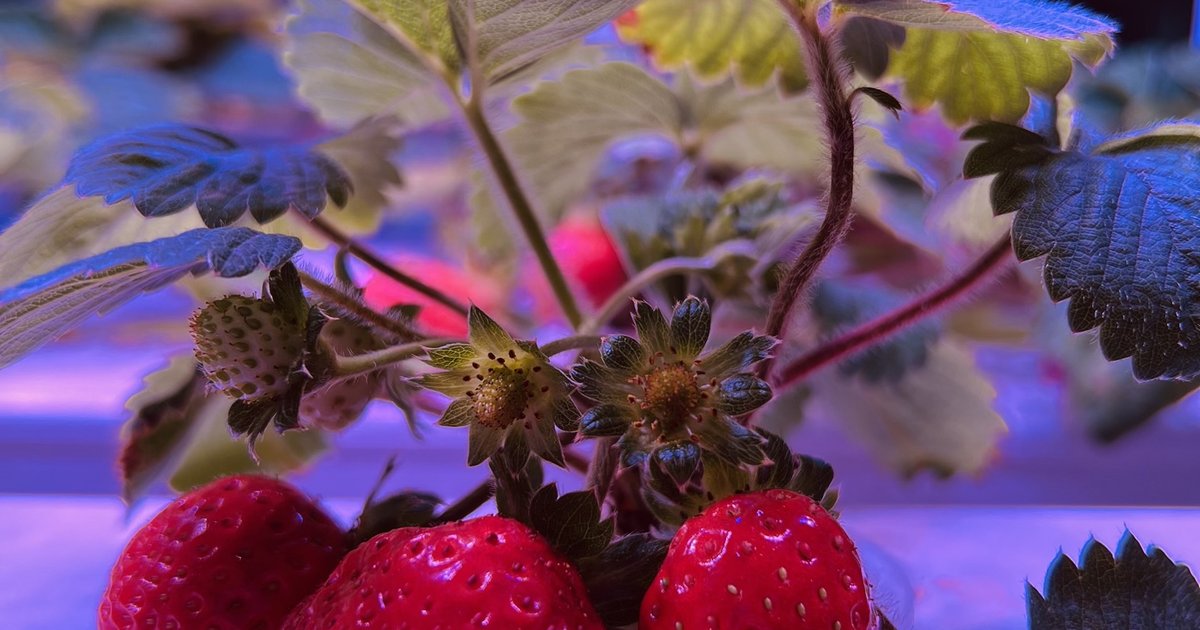
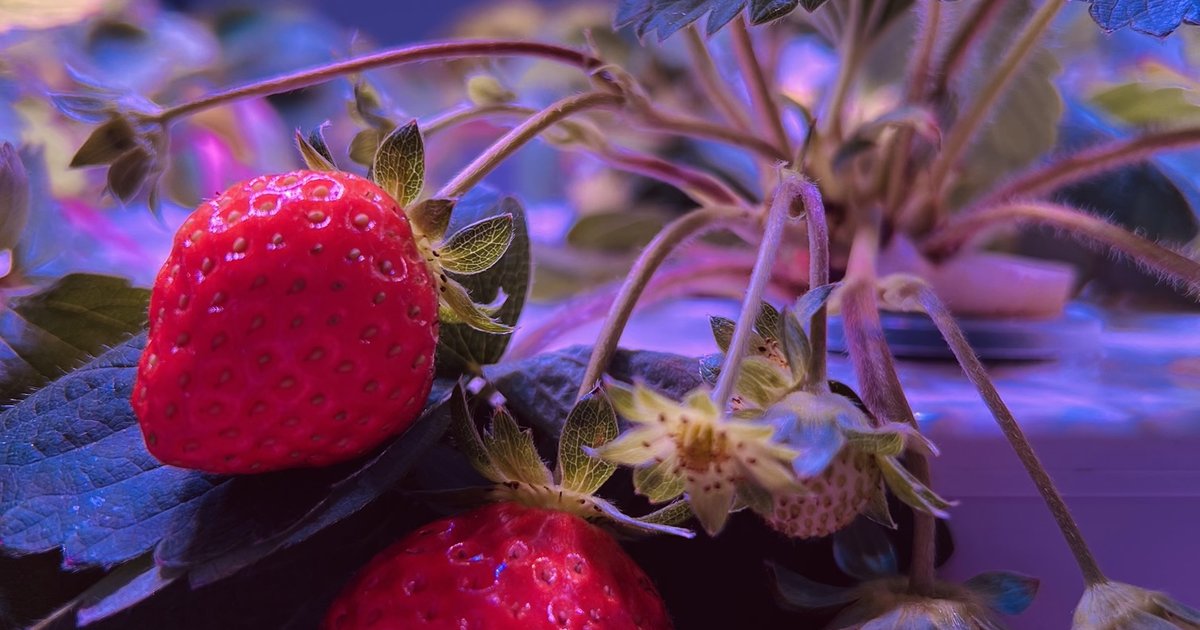
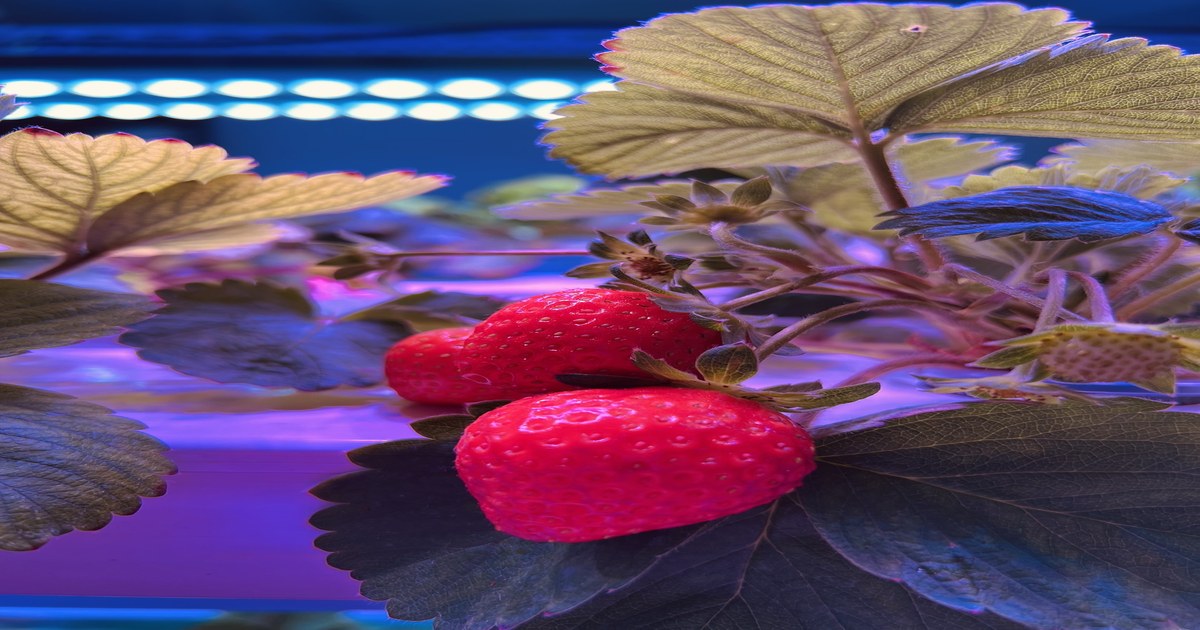
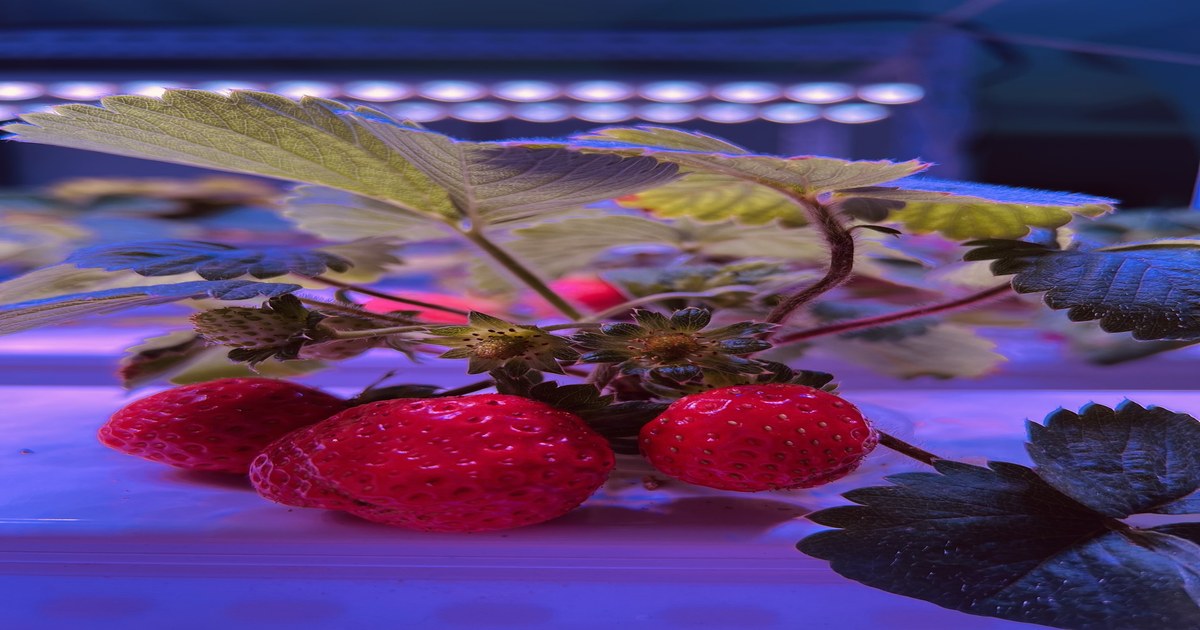
Strawberries are one of the most rewarding crops to grow indoors under LED lighting. They respond quickly to optimized light conditions, producing sweeter fruit, more flowers, and higher yields when the spectrum is dialed in correctly. The Koray Lighting G138 series offers multiple spectrum options, and choosing the right one can make a significant difference in your strawberry harvest. This guide explains exactly which spectrum works best and why.

Understanding the Strawberry Light Requirements
Strawberries have distinct light needs at different growth stages. During the seedling and vegetative phase, they benefit from a balanced spectrum with moderate blue light to promote compact growth and strong root development. PPFD targets at this stage are relatively modest: 150-250 umol/m2/s with a DLI of 8-12 mol/m2/day.
Once plants transition to the flowering and fruiting phase, their requirements shift dramatically. They need higher PPFD (400-600 umol/m2/s), a higher DLI (15-20 mol/m2/day), and critically, a spectrum enriched in red wavelengths. Red light between 600 and 700 nanometers is the primary driver of flowering in strawberries, stimulating the phytochrome system that triggers flower bud formation and fruit development.
F175 Spectrum: The Best All-Around Choice
The F175 spectrum is Koray Lighting’s general-purpose full-spectrum recipe, and it is the recommended starting point for strawberry growers using the G138 series. The F175 delivers a smooth, continuous output across the entire PAR range (400-700nm) with a pronounced peak in the red region around 620-660nm. This red emphasis is exactly what strawberries need during flowering.

What makes the F175 particularly effective for strawberries is its balance. While red wavelengths dominate the output, there is still sufficient blue light (400-500nm) to maintain compact plant architecture and prevent excessive leaf stretching. The green and yellow wavelengths are not neglected either — they contribute to canopy penetration, reaching lower leaves that would otherwise be shaded by the upper foliage.
In practical terms, growers using the G138-120 with F175 spectrum report vigorous strawberry flowering within 4-6 weeks of transplant, consistent fruit set, and Brix levels (sugar content) that compare favorably with greenhouse-grown strawberries.
K6C Spectrum: Maximizing Fruit Yield
For commercial strawberry operations where yield is the paramount concern, the K6C spectrum is worth considering. This spectrum pushes the red output even further, with enhanced emission in the 660nm deep red band. The K6C was specifically developed by Koray for flowering crops including strawberries, ornamental flowers, and certain medicinal plants.
The deeper red output of the K6C activates phytochrome Pfr conversion more efficiently, which can accelerate flowering by several days compared to broader full-spectrum recipes. Some commercial strawberry growers report a 10-20 percent increase in fruit count per plant when switching from a standard full-spectrum to the K6C. The trade-off is that plants may appear slightly more elongated, as deep red light can promote stem extension — but for strawberries, which are naturally compact, this is rarely a problem.
Why Not Blue-Only or Blurple Light?
Early-generation LED grow lights relied on arrays of red and blue LEDs, producing the distinctive purple “blurple” light. While these fixtures can grow strawberries, they are far from optimal. Blurple lights lack the green and yellow wavelengths that contribute to canopy penetration and overall photosynthetic efficiency. They also make it difficult for workers to assess plant health and fruit ripeness, since the purple light distorts color perception.
Modern full-spectrum LEDs like the Koray G138 with F175 or K6C spectrum produce warm white light that is pleasant to work under and allows accurate visual assessment of your crop. The photosynthetic efficiency is higher because the spectrum covers all the absorption peaks of both chlorophyll a and chlorophyll b, as well as the carotenoid accessory pigments.
Setting Up Your G138 for Strawberry Production
For optimal strawberry production with the G138, mount the bars at 0.3 meters above the canopy and run them for 14-16 hours per day. This delivers a DLI of approximately 18-23 mol/m2/day at the center of the coverage area, which is ideal for flowering and fruiting. Use a timer or smart controller to maintain consistent photoperiods — strawberries are day-neutral varieties in most commercial production, but consistent light schedules promote uniform fruiting.
If you are running a vertical rack system with the G138-120, consider using the F175 spectrum for the fruiting tier and a lower-cost spectrum like F4K for the seedling and propagation tier. This approach optimizes both your crop results and your budget.
The Koray Advantage for Strawberry Growers
Koray Lighting has been engineering horticultural LED solutions since 2009, with over 200 patents and a dedicated 2,800 square meter testing facility. The G138 series reflects years of research into how different spectra affect crop physiology. For strawberry growers, this means you can trust that the F175 and K6C spectra have been validated against real growing data, not just theoretical models.
With IP64 waterproofing, 50,000-hour lifespan, and compatibility with centralized DC power systems, the G138 is built for the demands of commercial strawberry production. Whether you are operating a small vertical farm or a large-scale plant factory, Koray Lighting has the spectrum, the hardware, and the expertise to help you succeed.
Learn more about strawberry lighting solutions at koraylights.com or contact the Koray team for a customized lighting plan.

Leave A Comment